Metalized Film vs. AL/PE Foil Laminates for Underfloor Heating: A Material Sourcing Guide for Manufacturers
As building energy efficiency regulations tighten across Asia and globally, underfloor radiant heating (UFH) systems have moved well beyond their regional roots to become a mainstream heating solution in residential, commercial, and light industrial construction. In China alone, UFH installation areas reached record levels in 2025, driven by northern renovation programs and the rapid spread of air-source heat pump floor heating in the traditionally un-heated south.
This growth puts a quiet but real spotlight on the raw materials that make UFH systems work — particularly metalized reflective laminates and aluminum foil / PE composite films, the functional core of every underfloor heating insulation layer. For downstream manufacturers of UFH accessories and construction material importers, understanding how to source and specify these materials correctly has become a meaningful competitive advantage.
Why UFH Systems Need a Reflective Layer
A radiant floor heating system emits heat in all directions. Without a dedicated reflective barrier beneath the heating element, a significant portion of the thermal energy travels downward through the floor slab — wasted, especially in first-floor units or suspended floors where downward heat loss can reach 25–40% of total output.
The reflective insulation layer solves this by redirecting downward-radiated heat back upward toward the living space. Materials with high infrared reflectance — typically ≥95% for vacuum-metallized films and ≥97% for solid aluminum foil laminates — are the standard choice. The resulting improvement in system efficiency directly translates to lower energy consumption and reduced operating costs, both of which align with tightening building standards in markets worldwide.
Two Primary Raw Material Categories
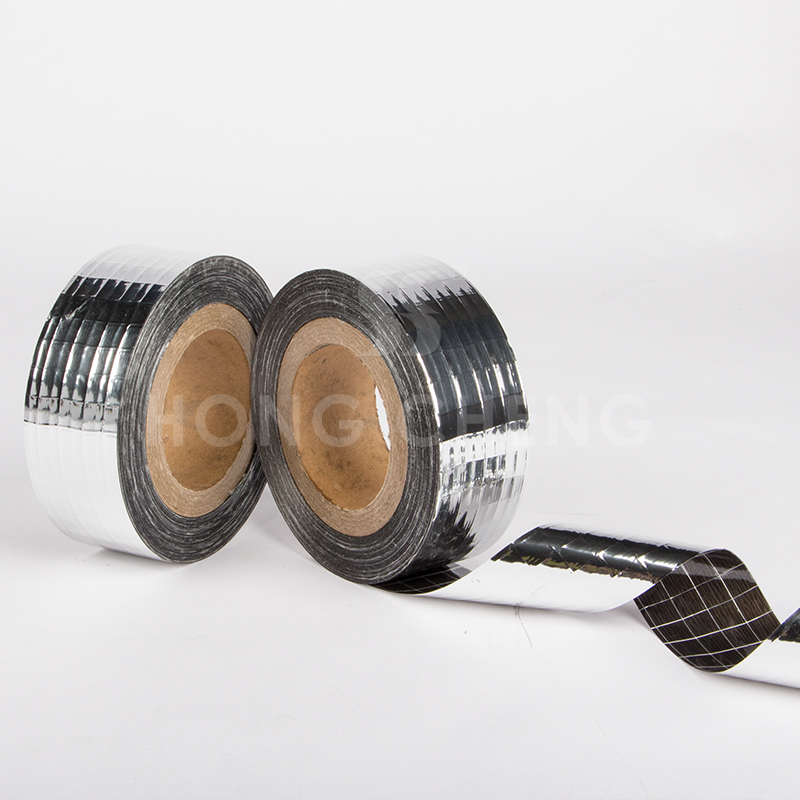
1. Metalized Film Reflective Laminates
- Construction: PET film with vacuum-deposited aluminum layer, laminated to PE film, nonwoven fabric, or woven scrim
- Aluminum layer thickness: typically 400–600 Å
- Reflectance: ≥95%
- Key characteristics: lightweight, flexible, lower cost per square meter
- Common specifications: width 1000–1200 mm, total thickness 0.08–0.15 mm
- Best suited for: thin-profile UFH systems (≤15 mm), dry-laid electric film heating, renovation projects
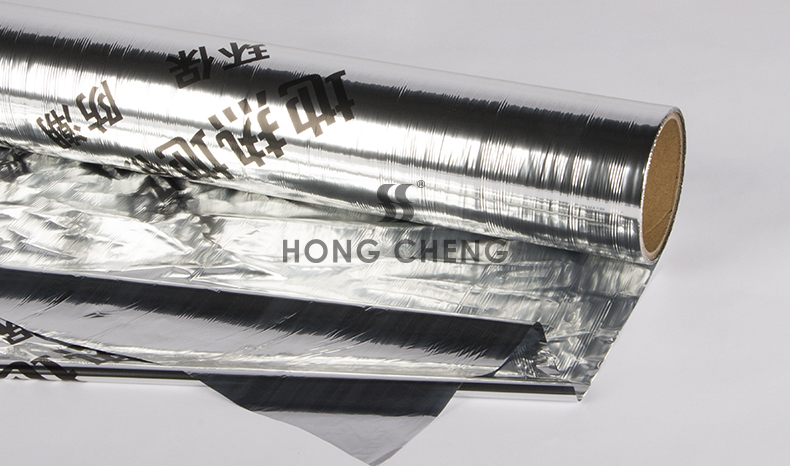
2. Aluminum Foil + PE Composite Films (AL/PE Laminates)
- Construction: 7 μm or 9 μm solid aluminum foil, laminated with PE film on one or both sides
- Reflectance: ≥97%
- Key characteristics: superior moisture barrier, alkali resistance, long service life
- Total thickness: typically 0.12–0.20 mm
- Best suited for: wet-screed UFH installations, high-humidity environments, premium residential and commercial projects
Quick Comparison:
| Property | Metalized Film Laminate | AL/PE Foil Laminate |
|---|---|---|
| Metal layer | Vacuum-deposited Al (400–600 Å) | Solid aluminum foil (7–9 μm) |
| Reflectance | ≥95% | ≥97% |
| Cost level | Lower | Moderate |
| Moisture barrier | Moderate | Excellent |
| Alkali resistance | Moderate (needs PE protection layer) | Good |
| Recommended use | Thin/dry-laid systems | Wet-screed, demanding specs |
Customization: Where Supplier Capability Matters
Downstream UFH accessory manufacturers typically have precise requirements for the raw materials they purchase, and standard-width rolls often don't fit the bill. Key customizable parameters include:
- Width: Most common widths are 1000 mm, 1200 mm, and 1500 mm; narrower 500 mm widths suit strip heating panels
- Laminate structure: Single-side vs. double-side metallization; single-side vs. double-side PE; with or without woven scrim reinforcement
- Surface options: Grid printing for installation alignment; matte surface on one side
- Roll format: Master rolls for further slitting, or pre-slit finished rolls to customer specification
For domestic Chinese buyers, the primary sourcing criteria typically center on consistent material weight, thickness uniformity, and reliable lead times. For international buyers, key considerations shift toward third-party testing certificates (SGS, etc.), REACH/RoHS compliance documentation, and flexibility for smaller trial orders.
2026 Market Trends Shaping Raw Material Demand
Thin-profile renovation drives metalized film upgrades: The massive Chinese stock housing renovation market favors thinner UFH solutions (≤15 mm overlay height), pushing demand for finer, more flexible metalized composite films that perform without adding floor buildup.
Southern heat pump adoption accelerates: Following the rollout of China's building energy efficiency "14th Five-Year Plan", air-source heat pump UFH systems are proliferating in southern China's mild-winter regions — historically underserved by district heating. Each installation requires properly specified reflective underlayers.
Stricter environmental certification: Regional building standards increasingly require raw material suppliers to provide documentation covering formaldehyde-free lamination adhesives and heavy-metal-free aluminum layers. Suppliers with established QC and certification pipelines hold a clear advantage.
Export market expansion: High-end residential construction in Southeast Asia, the Middle East, and Eastern Europe is adopting water-based UFH systems at a growing rate. Chinese manufacturers of reflective foil laminates are well-positioned on cost and customization flexibility to capture incremental export volume.
Key Criteria When Selecting a Raw Material Supplier
When sourcing metalized reflective laminates or AL/PE insulation composite films for UFH accessory production, consider evaluating suppliers across these dimensions:
- Lamination process: Dry-lamination and extrusion-coating (PE casting) suit different constructions — confirm the supplier's process matches your target spec
- Metal layer verification: Request metal thickness measurement data; quality inconsistency in the deposited or foil layer is the most common cause of reflectance variation in finished products
- Supply reliability: Large-scale UFH projects run on tight material schedules; suppliers with master-roll inventory capacity reduce downstream scheduling risk
- Customization scope: Confirm whether non-standard widths, multi-layer constructions, and specialty surface treatments are supported within standard lead times
Hangzhou Hongcheng Technology Co., Ltd. specializes in aluminum foil composite materials and PE-laminated composite films, supplying metalized reflective laminates and AL/PE foil composites suitable for UFH insulation layer manufacturing. Custom widths, laminate structures, and roll formats are available for both domestic and international customers.
PET/AL/PE Three-Layer Composite Film for Tea Packaging: Structure, Performance & Sourcing Guide
FSK Facing Material for HVAC Flexible Duct Insulation: A Comprehensive Sourcing Guide