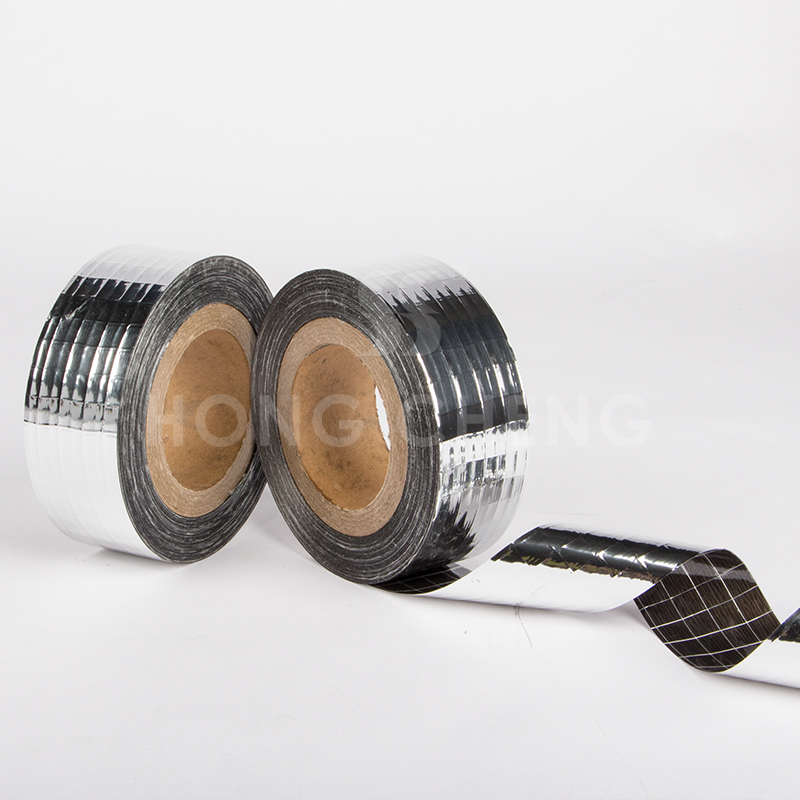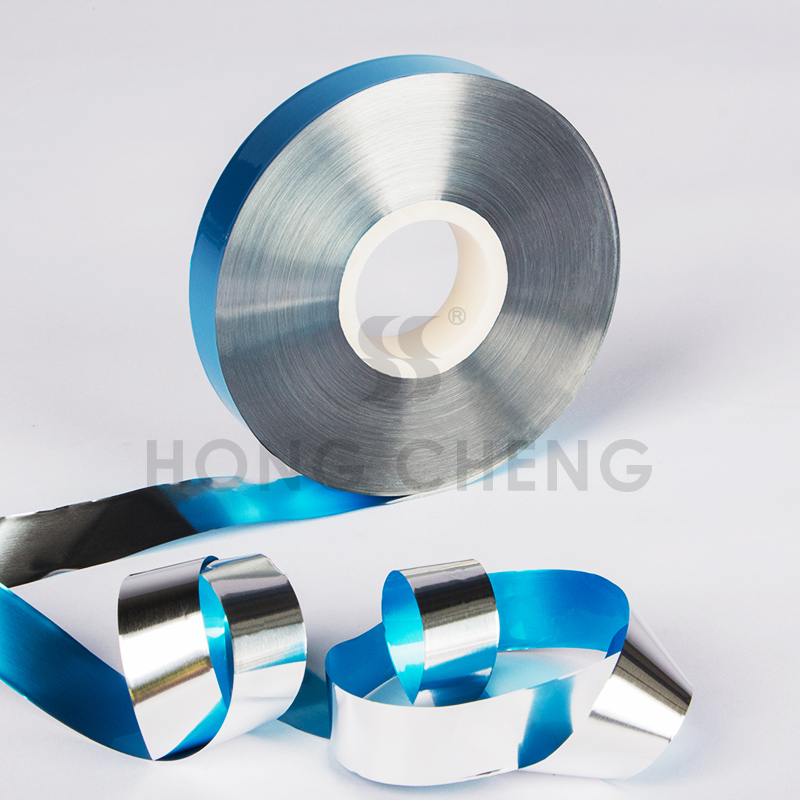
Aluminum-Plastic Composite Film: The Core of "Thermal Insulation Black Technology" in Outdoor Blankets
2025-12-08
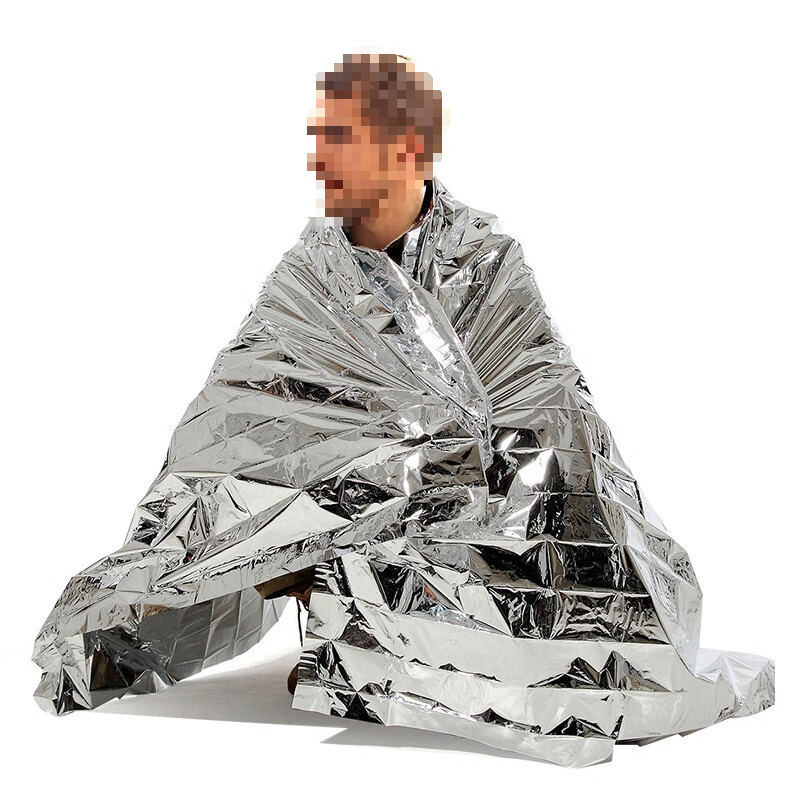
In outdoor adventures, emergency rescues and other scenarios, outdoor thermal blankets (also known as emergency blankets or space blankets) have become essential equipment due to their lightweight portability and high thermal insulation efficiency. The core secret of this seemingly thin "foil sheet" lies in the use of aluminum-plastic composite film, a functional material. It not only endows the thermal blanket with practical properties such as windproof, waterproof and tear-resistant features but also achieves a "thin yet effective" thermal insulation effect through its unique material structure, making it a key material for protecting lives in outdoor environments.
The aluminum-plastic composite film used in outdoor thermal blankets is a multi-layer structural material formed by compounding a metal aluminum layer with a polymer plastic film through special processes. Its basic structure usually consists of three layers: the outer layer is a polyester (PET) or polyethylene (PE) plastic film, which is flexible, wear-resistant, waterproof and moisture-proof, capable of withstanding erosion from complex outdoor environments and avoiding damage to the internal structure; the middle layer is the core metal aluminum layer, which forms an extremely thin metallized coating on the surface of the plastic film through vacuum aluminum plating technology, only a few microns thick, but capable of achieving efficient heat reflection; the inner layer selects skin-friendly or toughness-enhanced plastic substrates according to usage needs to ensure comfort and structural stability. This composite structure is not a simple superposition but achieves a "1+1>2" effect through interlayer compounding technology. It retains the flexibility and waterproofness of the plastic film while exerting the high reflectivity advantage of the aluminum layer, enabling the thermal blanket to have practical value surpassing traditional thermal insulation materials with a weight of only about 50 grams and a size of a palm when folded.
The reason why aluminum-plastic composite film can achieve efficient thermal insulation lies in its precise blocking of the three main paths of heat transfer—thermal radiation, thermal conduction and thermal convection. Firstly, reflecting thermal radiation: as a heat source, the human body continuously emits infrared thermal radiation, and the aluminum layer in the aluminum-plastic composite film has a thermal reflectivity of over 90%, like a "heat mirror", which can reflect the thermal radiation emitted by the human body back to the body surface, reducing heat loss caused by radiant heat dissipation. Experimental data shows that this reflection mechanism can reduce heat loss by more than 80%, and in a low-temperature environment of -10℃, correct use can maintain the human core body temperature for more than 4 hours. Secondly, blocking thermal conduction: the multi-layer structure of the aluminum-plastic composite film forms tiny air gaps, and air is an excellent thermal insulator, which can effectively block the path of heat conduction through solids; at the same time, the plastic substrate itself has a very low thermal conductivity, further inhibiting heat loss through conduction. Finally, inhibiting thermal convection: the dense structure of the composite film and edge sealing technology can effectively prevent cold air from flowing in and warm air from leaking out, avoiding convective heat loss caused by air movement, thereby forming a stable thermal insulation layer between the human body and the external environment.
In addition to the core thermal insulation function, the characteristics of aluminum-plastic composite film have endowed outdoor thermal blankets with multiple practical values. The outer plastic film has a waterproof performance of above IPX4, which can resist moderate rain and effectively block ground moisture, avoiding rapid heat loss caused by human body dampness; the composite structure of the aluminum layer and plastic film gives the material good tear resistance, with a single-layer bearing capacity of up to 15 kilograms, and even can be used as a temporary stretcher when folded in multiple layers. More notably, the high reflectivity of aluminum-plastic composite film makes it a rescue tool in emergency situations. The gold and silver surface can reflect sunlight, helping rescuers quickly locate the distressed, a function that has played a key role in many field rescues. From maintaining body temperature in marathon events, emergency thermal insulation in mountain adventures to temporary shelter after natural disasters, aluminum-plastic composite film has endowed thermal blankets with comprehensive scene adaptation capabilities.
As a mature functional composite material, the application of aluminum-plastic composite film in outdoor thermal blankets is a typical case of material science serving practical needs. It abandons the inherent logic of traditional thermal insulation materials that "thicker means warmer", and through precise structural design and material compounding, achieves the comprehensive advantages of "lightweight, thinness, strength and warmth". With the development of material technology, the performance of aluminum-plastic composite film is continuously upgrading, such as adding nano-ceramic layers to improve high-temperature resistance and optimizing compounding processes to enhance durability, further expanding the thermal insulation effect and application scenarios of outdoor thermal blankets. This small "composite film" not only witnesses the innovative power of functional materials but also practices the value of "protecting lives with technology" in countless outdoor scenarios.
Aluminum-Plated Film Woven Cloth: A Preferred Protective Material for Instrument Packaging
Aluminum-Plastic Composite Film Industry Upgraded by New Energy: Breakthroughs and Challenges Coexist in 2025