Requirements for Aluminum Foil in Insulated Cotton with Aluminum Foil
2025-07-14
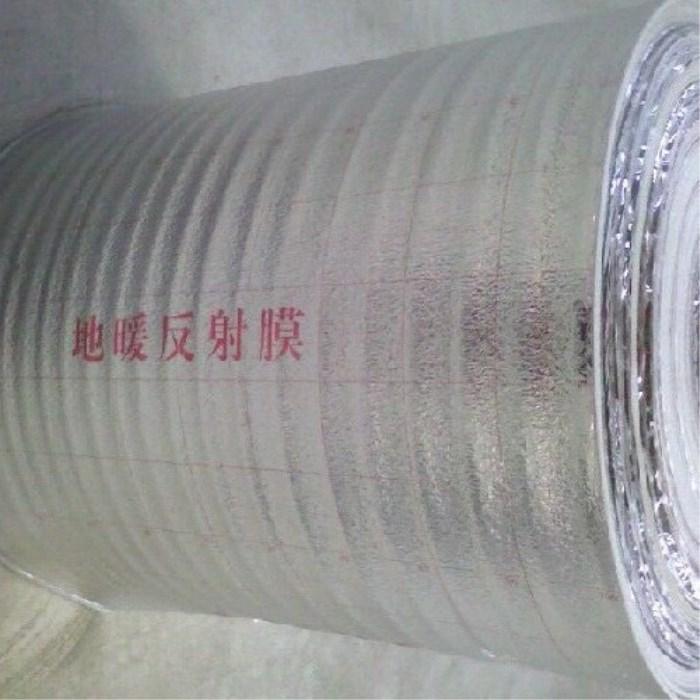
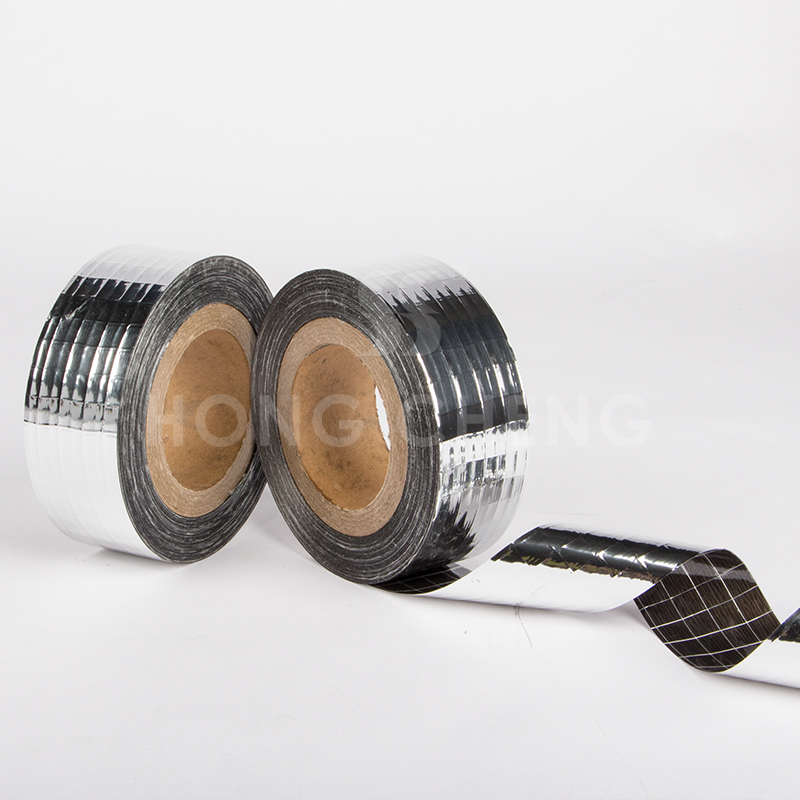
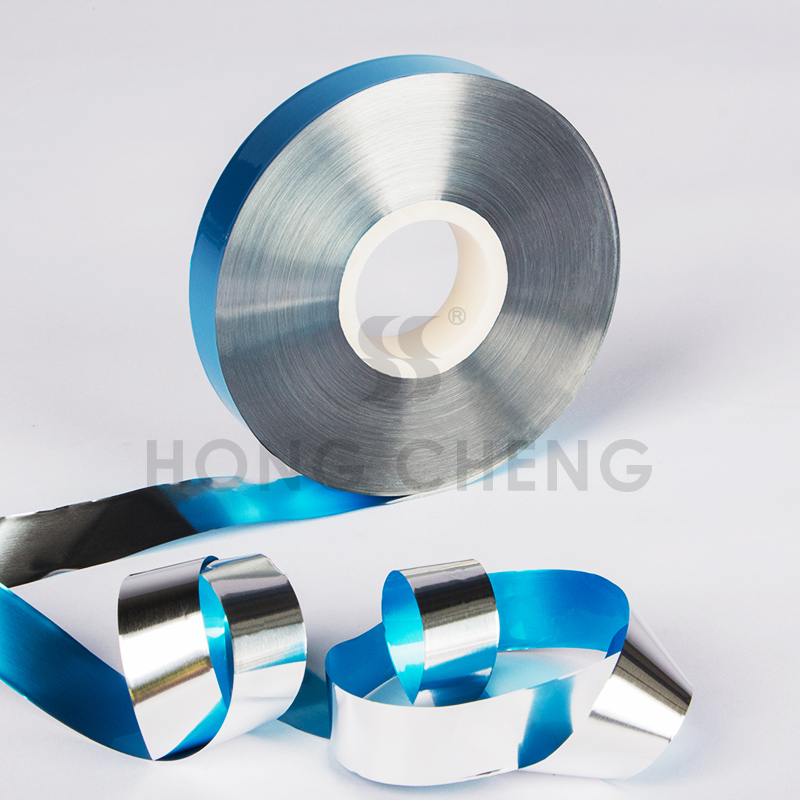
Among many insulation materials, the insulated cotton with aluminum foil is highly favored for its excellent insulation performance. This type of insulation cotton can effectively insulate heat in various environments, and the aluminum foil plays a crucial role. As an important component of the insulated cotton with aluminum foil, the performance and quality of the aluminum foil directly affect many aspects of the overall insulation performance of the insulation cotton, such as insulation effect, service life, and safety. Therefore, it is of great significance to deeply understand the requirements for aluminum foil in the insulated cotton with aluminum foil.
I. High Reflectivity Requirements
The primary function of aluminum foil is to reflect heat, which is the core mechanism for the high - efficiency insulation of the insulated cotton with aluminum foil. Aluminum foil has a high metallic luster, and its reflectivity to thermal radiation is generally required to reach more than 80%, and even in some high - end application scenarios, the reflectivity needs to be close to 95%. High reflectivity means that the aluminum foil can reflect a large amount of thermal radiation light back, preventing it from penetrating the insulation cotton and entering the space that needs to be protected. For example, in the insulation application of the automotive engine compartment, a large amount of thermal radiation is generated when the engine is working. The insulated cotton with aluminum foil reflects most of the thermal radiation back into the engine compartment through the high - reflectivity performance of the aluminum foil, reducing the heat transfer to other parts of the vehicle body. Thus, it effectively protects the vehicle's components from high temperatures, reduces the temperature inside the vehicle, and improves driving comfort.
II. Good Flexibility
During the actual use of the insulated cotton with aluminum foil, it may need to be cut, bent, or adhered to the surfaces of various - shaped objects. Therefore, the aluminum foil needs to have good flexibility to meet different installation requirements. Aluminum foil with good flexibility is not easy to break or crack during bending, and can always maintain its complete physical properties and insulation effect. For example, when insulating and wrapping pipes in the construction field, the shapes of pipes are diverse and there are many elbows, joints, and other parts. The insulated cotton with aluminum foil needs to fit these parts closely. The flexibility of the aluminum foil enables the insulation cotton to easily surround the pipes, achieving seamless insulation protection and avoiding a decrease in insulation performance due to the rupture of the aluminum foil.
III. Sufficient Strength
Although the aluminum foil is relatively thin, it still needs to have sufficient strength to withstand various external forces during production, transportation, and installation. During the production process, the aluminum foil needs to undergo process operations such as winding and compounding; during transportation, it may be affected by bumps and squeezes; during installation, the operations of workers may also apply certain external forces to the aluminum foil. If the strength of the aluminum foil is insufficient, it is easy to be torn or damaged. This not only affects the appearance quality of the insulation cotton but also, more importantly, destroys its insulation structure and reduces the insulation performance. Generally speaking, the aluminum foil should have a certain tensile strength and tear - resistance strength to ensure its integrity throughout the service life.
IV. Excellent Corrosion Resistance
The insulated cotton with aluminum foil may be applied in various environments, and some environments may have high humidity, chemical erosion, and other conditions. Therefore, the aluminum foil needs to have excellent corrosion resistance to ensure that it will not be corroded and damaged during long - term use in harsh environments. For example, in the insulation of building exterior walls in coastal areas, the air contains more salt and has a high humidity. If the aluminum foil is not corrosion - resistant, it is easily eroded by salt and water vapor, resulting in surface rust and perforation, and then the insulation cotton loses its insulation effect. By applying special surface treatments to the aluminum foil, such as coating a corrosion - resistant coating or using alloy aluminum foil, the corrosion resistance of the aluminum foil can be significantly improved, and the service life of the insulated cotton with aluminum foil can be extended.
V. Appropriate Thickness
The thickness of the aluminum foil is an important factor affecting the performance and cost of the insulated cotton with aluminum foil. If the thickness is too thin, the aluminum foil may not be able to fully exert its functions of reflecting and blocking heat, and at the same time, its strength will be insufficient and it will be easy to be damaged; if the thickness is too thick, it will increase the cost and may make the overall insulation cotton too heavy, which is not conducive to installation and use. Generally, the thickness of the aluminum foil in the commonly used insulated cotton with aluminum foil is between 0.01mm and 0.05mm, and the specific thickness will be selected according to the application scenario and performance requirements. For example, in the aerospace field where weight requirements are relatively strict, a thinner but high - strength aluminum foil may be selected; while in the insulation of some industrial equipment where high - performance insulation is required and weight is less sensitive, a slightly thicker aluminum foil may be used.
VI. Good Processability
To meet different production processes and product design requirements, the aluminum foil needs to have good processability. This includes being easy to be compounded with other components of the insulation cotton (such as fiber materials, adhesives, etc.), being able to undergo surface treatments such as printing and embossing without affecting its own performance, so as to increase the aesthetics and functionality of the product. For example, during the production process, the aluminum foil is compounded with glass fiber cotton through a hot - pressing compounding process. The good processability of the aluminum foil can ensure that it is closely combined with the glass fiber cotton during the compounding process, forming a stable insulation structure; at the same time, by printing warning signs or decorative patterns on the surface of the aluminum foil, it can not only improve the product's identification but also meet the personalized needs of different customers.
VII. Environmental Protection and Safety
In the current era of emphasizing environmental protection and safety, the aluminum foil in the insulated cotton with aluminum foil also needs to meet relevant environmental protection and safety standards. The aluminum foil should not contain harmful substances such as heavy metals and formaldehyde to ensure that it will not cause harm to the environment and human health during production, use, and waste disposal. During the production process, environmentally friendly production processes should be adopted to reduce energy consumption and pollutant emissions. In some places with extremely high safety requirements, such as hospitals and schools, the aluminum foil also needs to have certain fire - resistance performance to prevent the spread of fire in case of a fire and ensure the safety of people and property.
In conclusion, the insulated cotton with aluminum foil has strict requirements for aluminum foil in terms of reflectivity, flexibility, strength, corrosion resistance, thickness, processability, environmental protection, and safety. Only the aluminum foil that meets these requirements can work together with other components of the insulation cotton to provide users with an efficient, reliable, safe, and environmentally friendly insulation solution, meeting the insulation needs of different fields and scenarios.
Why is Aluminum Foil the Chosen One for Composite Materials?
Lamination Process of Packaging Bags: Upholding Quality with Ingenuity, Forging Excellent Packaging Solutions