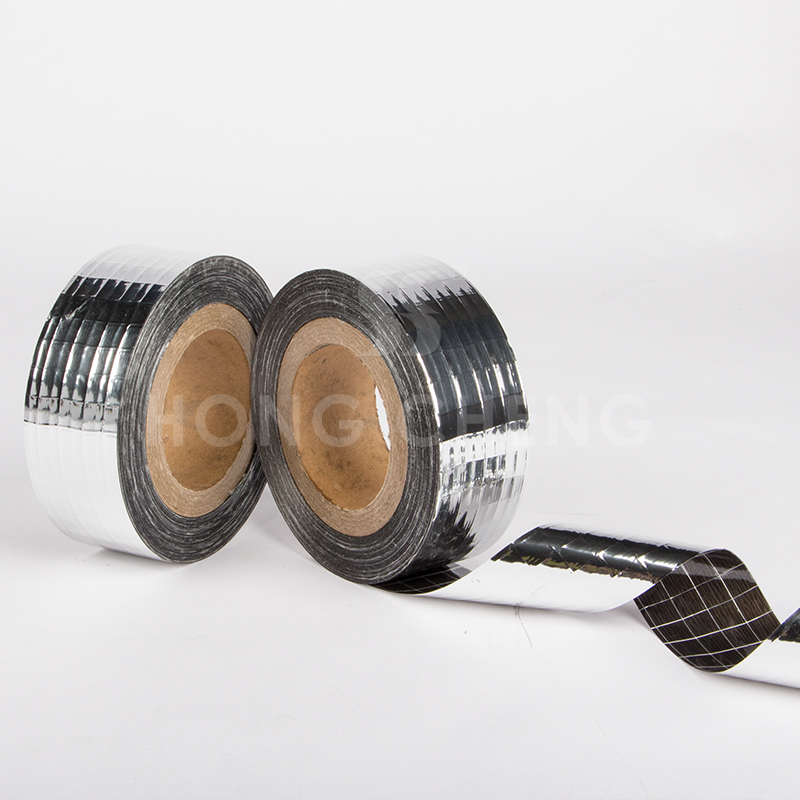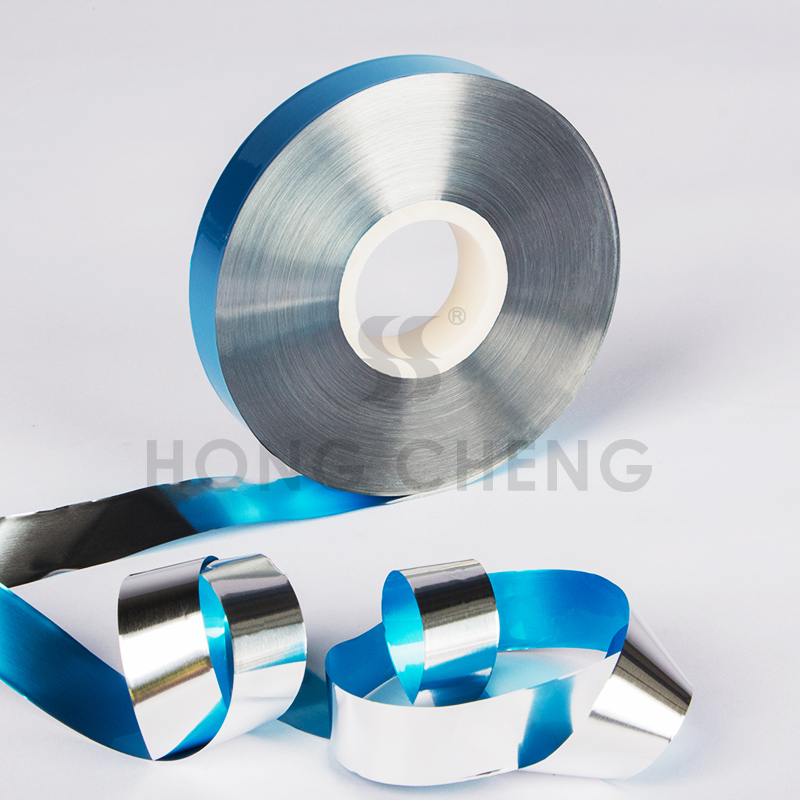
Metalized Film Shade Net Composites: Technology Evolution Driving Multi-Sector Adoption

As global temperatures rise and extreme heat events become more frequent, the shade net market is undergoing a significant transformation — expanding beyond its traditional agricultural roots into construction, transportation, and industrial applications. At the heart of this shift lies the aluminum foil composite material that serves as the functional core of modern high-performance shade nets.
The Functional Engine of Shade Nets
Conventional shade nets rely primarily on polyethylene (PE) warp-knitted or woven structures, using mesh density alone to block sunlight. Their functionality is limited, and service life is often short. The critical upgrade in modern high-performance shade nets comes from the integration of an aluminum foil or metalized film composite layer — a material that enables thermal radiation reflection, marking the technological leap from simple light blocking to effective heat insulation.
Two primary technical routes dominate the current market. The first is the metalized film woven composite approach, where VMPET (vacuum-metalized polyester film) is laminated with PE woven fabric through an extrusion coating process, yielding a lightweight reflective shade substrate. The second is the direct aluminum foil-PE lamination route, bonding 9-micron or thicker aluminum foil with PE film and woven fabric in multiple layers to achieve higher reflectivity and durability.
Multi-Sector Penetration Fuels Demand
The application landscape for shade nets is broadening rapidly. In traditional agriculture, demand from flower greenhouses, mushroom cultivation, and livestock farming remains steady. In the construction sector, shade nets are increasingly used for site enclosure, temporary warehouse roofing, and open-air parking lot coverage. In transportation and logistics, cargo sun protection during transit and warehouse canopy shading are gaining traction. Notably, infrastructure and agricultural projects in high-temperature regions — the Middle East, Southeast Asia, and Africa — are emerging as significant growth drivers for aluminum foil shade net composite exports.
From a procurement perspective, shade net manufacturers evaluate aluminum foil composite suppliers based on several key criteria. First, lamination bond strength — the peel strength between the aluminum or metalized layer and the base fabric must withstand prolonged outdoor exposure. Second, reflectivity — high-purity aluminum foil can theoretically achieve over 95% reflectance, while metalized films typically range between 85% and 92%, with different applications requiring different performance levels. Third, weatherability, including UV aging resistance and thermal cycling tolerance. Fourth, flexibility in width and thickness customization.
Technology Trends: Lightweighting and Multi-Function Integration
Two major themes define the current technological trajectory of shade net aluminum foil composites. The first is lightweighting — reducing aluminum foil or metalized layer thickness while optimizing fabric grammage to maintain reflective performance at lower material weight. This is particularly critical for large-area rooftop shading projects, where material weight directly impacts structural support costs. The second trend is functional integration. Single-function reflective insulation no longer satisfies all high-end requirements; composites incorporating additional properties such as flame retardancy, anti-static performance, and antimicrobial protection are attracting growing market interest.
Process improvements in extrusion coating are also driving product advancement. Next-generation high-speed coating lines can achieve more uniform PE application, enhancing the bond between the aluminum foil and base fabric while forming a protective surface layer that guards against oxidation and mechanical abrasion, thereby extending the finished shade net's service life.
Supply Chain Dynamics and Sourcing Trends
China stands as the world's primary production and export hub for shade net aluminum foil composites, with industrial clusters concentrated in Zhejiang, Jiangsu, and Shandong provinces. For domestic shade net manufacturers and international buyers alike, partnering with suppliers that possess both aluminum foil processing and PE extrusion coating capabilities can streamline the supply chain and reduce quality control risks.
As shade net applications diversify, downstream requirements for composite material specifications are becoming increasingly customized. Different mesh densities, operating environments, and performance targets call for variations in aluminum foil thickness, PE coating weight, and base fabric structure. Suppliers with rapid sampling and flexible customization capabilities are gaining pricing power and stronger customer loyalty in this evolving market.
Hangzhou Hongcheng Technology Co., Ltd. specializes in the R&D and production of aluminum foil composite materials and PE extrusion-coated composites. Its product portfolio includes metalized film shade net composites and aluminum foil PE shade laminates, with customizable options for thickness, width, and structure. These materials are widely used in shade nets, building insulation, industrial packaging, and related fields, providing stable supply and technical support to customers worldwide.
Tel/WhatsApp: +86 13758223270 Email: wendy@hcdxcl.com.cn
Woven Aluminum Foil Laminate for Equipment Vacuum Packaging: A Technical Selection Guide
VMPET Metalized Film in HVAC Flexible Duct: Advantages & Selection Guide