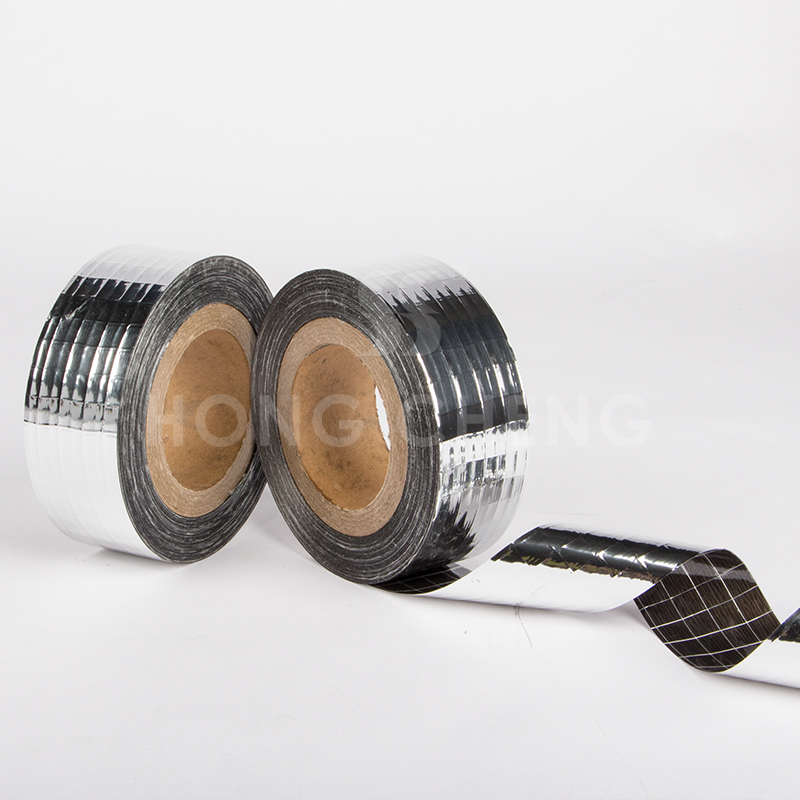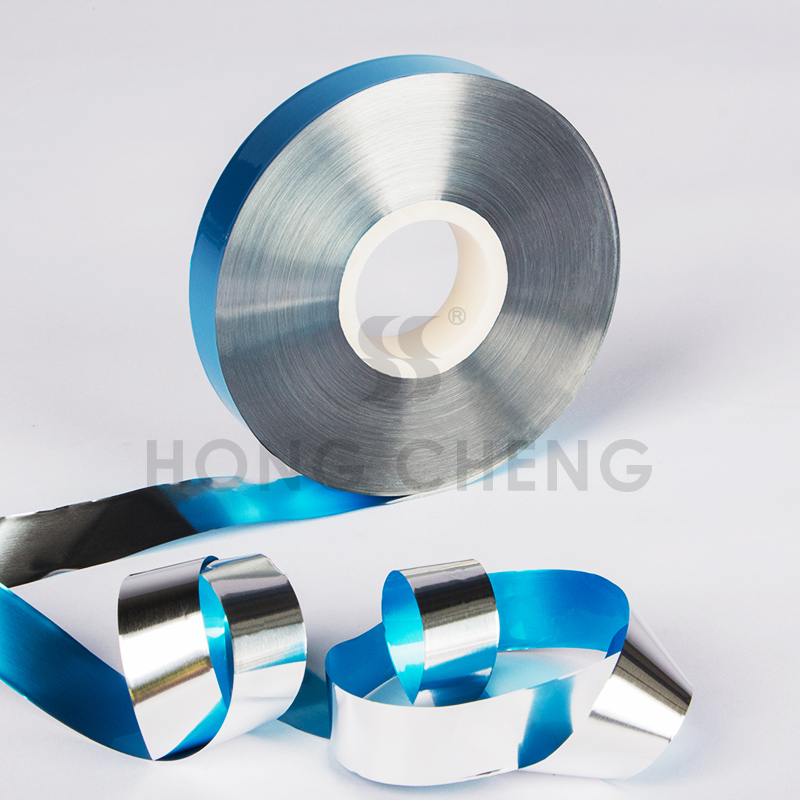
PET/AL/PE Foil Laminate for Tea Packaging: Structure, Performance & Selection Guide

Tea is one of China's most important export commodities, with global consumption continuing to rise year after year. However, tea leaves are exceptionally sensitive to environmental factors — moisture, oxygen, light, and external odors can each trigger quality degradation. This makes tea packaging far more demanding in terms of barrier performance than standard food packaging.
As the premium tea, export tea, and gift box markets expand rapidly, aluminum foil PE heat-sealable laminate (AL/PE) and three-layer PET/AL/PE composite film have become the mainstream materials of choice for professional tea packaging — both as inner bag liners and outer packaging films.
This article provides a structured analysis of why these foil composite materials are well-suited for tea packaging, and how buyers can select the right specifications for their application.
1. Core Barrier Requirements for Tea Packaging
Tea leaves contain high concentrations of active compounds including polyphenols, catechins, amino acids, and volatile aromatic molecules. The three primary degradation pathways — oxidation, moisture uptake, and odor contamination — make barrier performance non-negotiable.
Moisture Protection: Tea with a moisture content above 6% is at risk of mold growth and quality deterioration. Conventional PE or OPP bags cannot maintain acceptable water vapor transmission rates (WVTR) for long-term storage. Aluminum foil composite films, with near-zero WVTR, address this requirement directly.
Oxygen Barrier: Oxygen is the primary driver of oxidative degradation. A PET/AL/PE laminate achieves OTR values below 0.1 cc/m²·day·atm — significantly better than pure plastic alternatives — dramatically extending shelf life.
Light and Odor Blocking: The aluminum foil layer provides complete opacity to visible and UV light, while simultaneously blocking external odors from penetrating the package and preserving the tea's natural fragrance.
2. Two Primary Foil Composite Structures
Structure 1: AL/PE Heat-Sealable Foil Laminate
Construction: Aluminum foil (7–9 μm) + PE coating (15–25 μm)
This two-layer structure is the foundational material for tea inner bags. Supplied as a roll, it is formed into bags by packaging equipment using heat sealing.
Key Advantages:
- Excellent heat-seal performance — the PE layer seals cleanly at 160–200°C on standard bag-making equipment
- Lower cost structure, suitable for mainstream or value-segment tea products
- Flexible and conformable, supporting a wide range of bag styles including flat, stand-up pouch, and custom shapes
Typical Applications: Standard inner bags for green tea, herbal blends, and bulk teas; e-commerce resealable pouches; export bulk tea liner bags.
Specification Reference: Foil thickness 7–9 μm, PE coating 15–25 μm, total thickness approximately 22–34 μm; width 300–1500 mm available.
Structure 2: PET/AL/PE Three-Layer Composite Film
Construction: PET film (12 μm) + Aluminum foil (7–9 μm) + PE heat-seal layer (25–50 μm)
This three-layer architecture is now the dominant material in the premium and mid-high end tea packaging market. Each layer performs a distinct function, and the combination delivers substantially better overall performance than two-layer alternatives.
PET Layer: Provides mechanical strength — puncture resistance and fold endurance prevent foil cracking during transport. Also serves as the print surface, supporting high-quality graphics that elevate the visual presentation of the package.
Aluminum Foil Layer: Forms the core barrier against moisture, oxygen, light, and odor. This is the functional heart of the structure.
PE Heat-Seal Layer: Provides reliable thermal bonding and serves as the food-contact inner surface. Food-grade LDPE or LLDPE is standard for this layer.
Comparative Performance:
| Property | AL/PE (2-layer) | PET/AL/PE (3-layer) |
|---|---|---|
| WVTR | ≤0.5 g/m²·24h | ≤0.1 g/m²·24h |
| OTR | ≤0.5 cc/m²·day | ≤0.1 cc/m²·day |
| Tensile Strength | Moderate | High |
| Printability | Limited | Excellent (PET surface) |
| Bag-making Formability | Good | Excellent (stiff and flat) |
| Market Segment | Standard / Mid-range | Mid-high / Gift box |
3. Key Selection Parameters for Tea Packaging Buyers
Foil Thickness
7 μm foil is cost-effective but has higher pinhole density, suitable for shorter shelf-life products or price-sensitive export markets. 9 μm foil delivers more reliable barrier performance, recommended for premium tea, long shelf-life requirements, and exports to Europe or North America.
Heat-Seal Layer Specification
Food-contact packaging requires PE material compliant with GB 9685 (China) or FDA 21 CFR (USA). Request food-contact safety documentation from suppliers. Inner PE thickness typically starts at 25 μm, with 50 μm available for higher-demand applications.
Bond Strength
Delamination at the heat-seal stage is the most common quality failure in foil composite film. Recommended acceptance standards: PET/AL bond strength ≥1.5 N/15mm; AL/PE bond strength ≥1.0 N/15mm (dry and wet conditions).
Roll Width and Weight
Tea packaging typically requires roll widths between 200–600 mm. Standard roll weights of 15 kg or 25 kg are common; confirm compatibility with your bag-making machine's feed roll capacity to minimize production changeovers.
Food Safety Compliance
Export to the EU requires compliance with EU Regulation 10/2011 (food contact materials); export to the US requires FDA 21 CFR compliance; domestic sales require GB 4806 series compliance. Request third-party test reports from suppliers at the time of purchase.
4. Market Trends Driving Demand in 2026
Two structural trends in the tea packaging sector are directly accelerating demand for foil composite films:
Premiumization and Gift-Segment Growth: The rise of new-style Chinese tea culture and increasing export penetration have expanded the proportion of gift box tea products. PET/AL/PE three-layer film — with its rigid structure, excellent print surface, and outstanding barrier performance — has become standard for premium inner bags and individual portion packs.
Export Volume Expansion: Chinese tea exports continue to grow, and markets in Europe, North America, Southeast Asia, and the Middle East are applying increasingly rigorous food-grade compliance requirements. This is accelerating the upgrade cycle for packaging materials among export-oriented tea manufacturers, with foil composite film compliance and customization capability emerging as key supplier differentiators.
5. Hongcheng Technology Supply Capabilities
Hangzhou Hongcheng Technology Co., Ltd. manufactures aluminum foil PE heat-sealable laminate and PET/AL/PE three-layer composite film with full specification flexibility: foil thickness 7 μm or 9 μm, PE coating 15–50 μm, PET base 12–25 μm, roll width 300–1500 mm, custom roll weights available.
The company provides food safety compliance documentation, supports custom specifications, and supplies domestic and international customers in tea packaging, food packaging, and industrial packaging segments with consistent quality and reliable lead times.
Contact (Tel/WeChat): +86 13758223270
PET/AL/PE Heat-Sealable Foil Laminate for Tea Packaging: Barrier Performance and Sealing Process Guide
Insulation Board Foil Facing: A Comparison of Three Main Structures