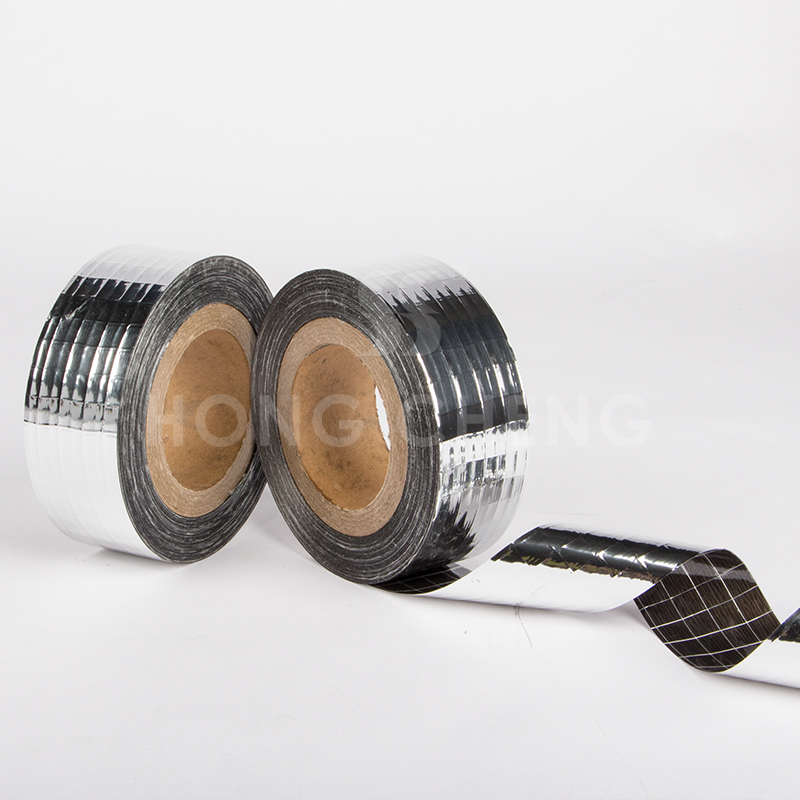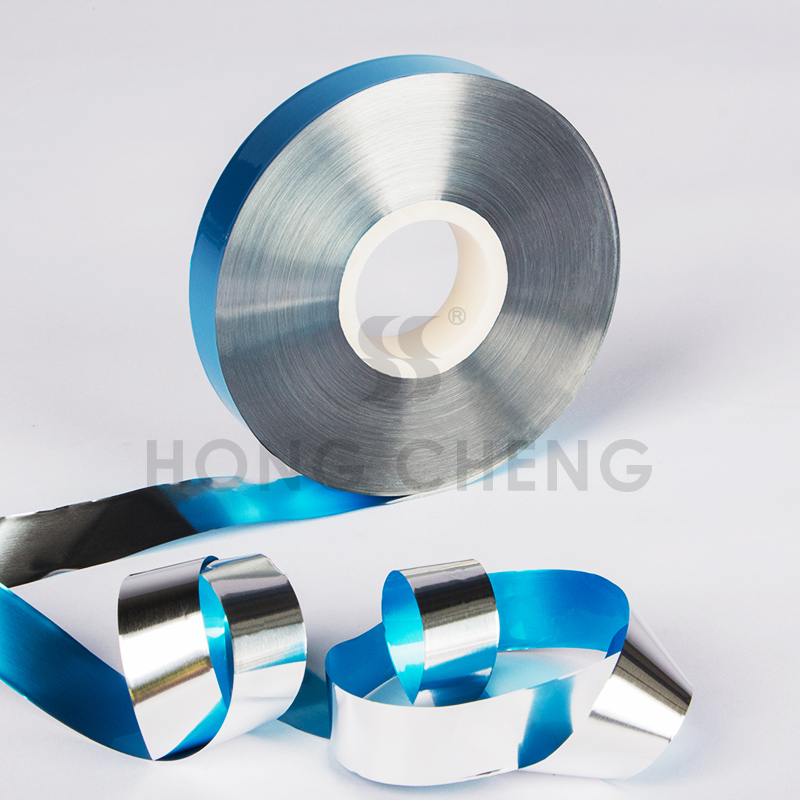
PET/AL/PE Heat-Sealable Foil Laminate for Tea Packaging: Barrier Performance and Sealing Process Guide
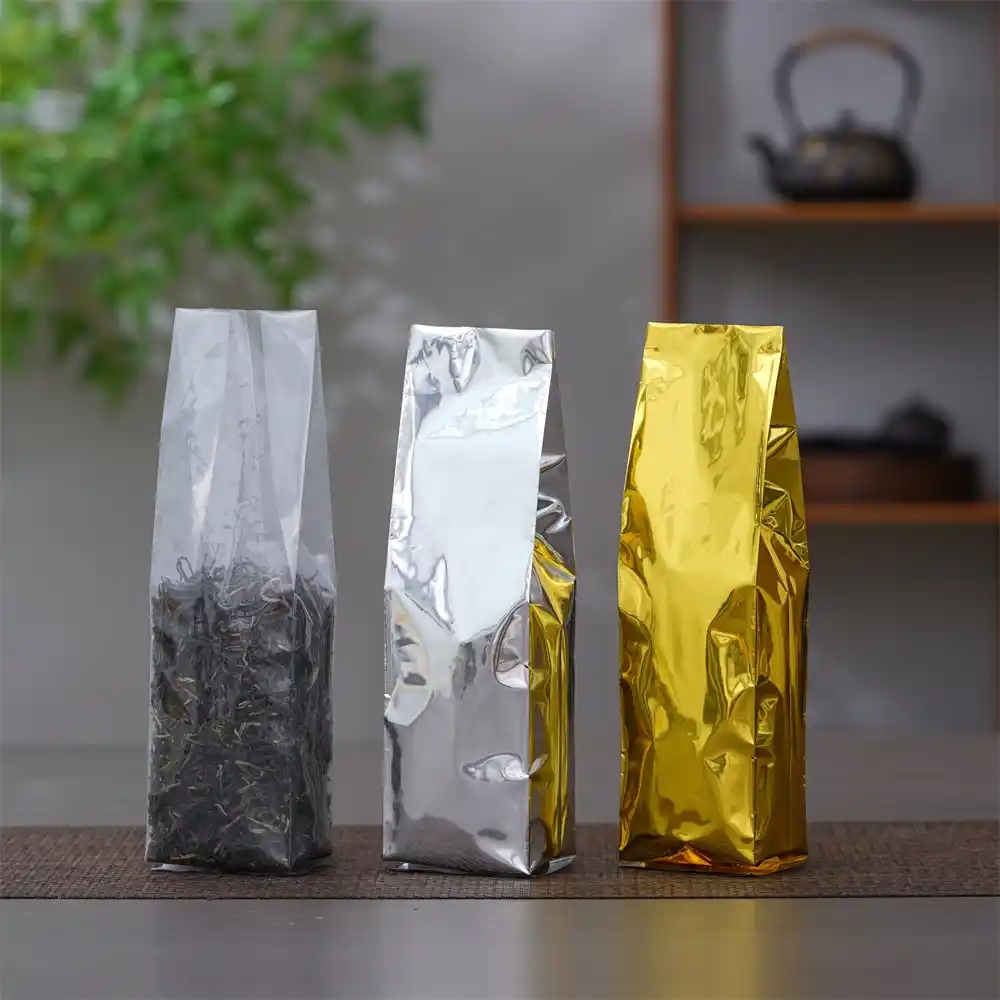
Tea is among the most demanding products when it comes to packaging material selection. Moisture absorption, oxidation, and odor contamination — any single failure can ruin an entire batch of premium tea. As consumer upgrading accelerates and brand differentiation intensifies, more tea manufacturers are reassessing their packaging materials. PET/AL/PE three-layer composite heat-sealable foil laminate has emerged as the industry's preferred solution.
Why Tea Packaging Requires Multi-Layer Composite Structures
No single material can simultaneously satisfy all the requirements of tea packaging. The core performance criteria are:
Oxygen barrier: Active compounds in tea — polyphenols, catechins — oxidize readily when exposed to oxygen, leading to darkened liquor and diminished flavor. Oxygen transmission rate (OTR) must be kept extremely low, typically below 1 cc/m²/day.
Moisture barrier: Water vapor is the primary enemy of tea quality. Regardless of tea type — green, white, pu-erh — excess moisture absorption causes aroma loss, flavor degradation, and in severe cases, mold growth. Water vapor transmission rate (WVTR) should be below 2 g/m²/24h.
Light blocking: Light accelerates photo-oxidation reactions in tea, particularly in green tea. Packaging materials must provide effective light blocking — opaque or near-opaque.
Heat sealability: Tea packaging commonly uses vertical form-fill-seal (VFFS) machines or pre-made pouch sealers, requiring film materials with a stable heat-seal temperature range and reliable seal strength.
No single material — PE film, OPP film, or aluminum foil alone — can independently achieve all these specifications. Multi-layer composite structures address this need.
Structural Logic of PET/AL/PE Three-Layer Composite Film
The PET/AL/PE heat-sealable composite film has the following layer structure from outside to inside:
PET layer (polyester film, typically 12 μm): The outermost layer, providing tensile strength, puncture resistance, heat resistance, and print receptivity. PET's stiffness supports stable high-speed filling machine operation. Printed graphics appear vibrant and sharp; the surface can be finished as glossy or matte.
Aluminum foil layer (typically 6–9 μm): The middle layer and the core of the barrier performance. Aluminum foil provides near-zero transmission for both oxygen and water vapor, plus excellent light blocking — completely eliminating UV and visible light penetration. Hongcheng Technology supplies food-grade aluminum foil with a low pinhole rate and no micro-cracks after lamination, ensuring continuous barrier integrity.
PE layer (polyethylene, typically 50–80 μm): The innermost layer, in direct contact with the tea. PE is non-toxic and odor-free, meeting food contact safety requirements. Critically, PE provides excellent heat-seal performance with a broad sealing temperature range (typically 120–160°C) and consistent seal strength, compatible with a wide range of tea packaging equipment.
The three layers are bonded with polyurethane adhesive (either solvent-based or solvent-free), ensuring interlayer peel strength sufficient for high-speed filling machines and supply chain handling.
Key Technical Specifications
Typical specifications for PET/AL/PE foil laminate used in tea packaging:
| Parameter | Typical Value | Notes |
|---|---|---|
| Total thickness | 70–100 μm | PE layer thickness adjustable |
| Aluminum foil thickness | 6 μm / 9 μm | 9 μm offers lower pinhole rate for premium tea |
| OTR | <1 cc/m²/day | Standard temperature and pressure |
| WVTR | <1 g/m²/24h | 38°C / 90% RH |
| Heat seal strength | ≥20 N/15mm | Ensures reliable fill-seal performance |
| Heat seal temperature | 120–160°C | Compatible with mainstream filling equipment |
| Roll width | 300–1200 mm (customizable) | Configured per packaging machine type |
Current Industry Trends: Lightweighting and Customization
Since 2026, two clear trends have emerged in tea packaging:
Lightweighting: Under carbon reduction pressure, brands are demanding reduced packaging material usage — lowering foil and PE thickness while maintaining barrier performance. Hongcheng Technology offers a lightweight configuration combining 6 μm foil with 50 μm PE, reducing total thickness to approximately 70 μm and cutting basis weight by around 8%, while keeping WVTR within specification.
Customization: Different tea types have markedly different packaging requirements:
- Green tea and yellow tea have the highest oxygen barrier demands — 9 μm foil is preferred
- Raw pu-erh tea traditionally uses breathable kraft paper packaging, though premium aged cooked pu-erh uses foil composite film
- Black tea and flower tea require higher light-blocking performance, achievable by combining the foil layer with black printing
- Small-format teas (5g/bag, single-serve packs) require more precise heat-seal windows, demanding tighter PE layer specification
Hongcheng Technology provides end-to-end customization from raw material formulation to finished roll delivery, with small-batch sampling available and minimum order quantities as low as 500 kg.
Key Production Process Considerations
Producing food-grade PET/AL/PE foil laminate requires careful attention to:
Lamination process selection: Solvent-based dry lamination offers high production speed and strong interlayer adhesion. Solvent-free lamination is preferred for food applications with strict solvent residue requirements — residual levels can typically be controlled below 5 mg/m², compliant with GB 9685 and EU food contact material regulations.
Aluminum foil substrate quality: Foil used in lamination must be clean, free of oil stains, and have a pinhole rate within specification. Pinholes are the primary cause of barrier failure. Hongcheng Technology uses inline pinhole detection equipment, performing full-width scanning on every roll before shipment.
Winding tension control: When PE layer is thick, winding tension requires fine adjustment to avoid edge misalignment or over-tight winding that creates difficulties in subsequent slitting.
Selection Recommendations
For tea packaging procurement teams, we recommend:
- Identify your tea type: Premium green or white tea calls for 9 μm foil; mid-range black or flower tea works well with 6 μm foil
- Confirm equipment sealing parameters: Coordinate with equipment suppliers on sealing bar temperature, pressure, and dwell time before specifying PE grade
- Request hygiene test reports: Food-grade PE layers require FDA / GB 9685 compliance documentation
- Specify roll width precisely: Calculate the optimal roll width based on actual bag dimensions to minimize slitting waste
For samples and quotes on PET/AL/PE heat-sealable foil laminate for tea packaging, please contact Hongcheng Technology.
Phone / WeChat: +86 13758223270 Email: wendy@hcdxcl.com.cn
AL/PET Composite Tape for FTP/STP LAN Cable Shielding: How Raw Materials Power the Gigabit-to-10G Network Era
PET/AL/PE Foil Laminate for Tea Packaging: Structure, Performance & Selection Guide