AL/PE vs Metallized Film for Luggage Lining: A Technical Performance Comparison
As consumer expectations for luggage quality continue to rise, the selection of interior lining materials has become a critical consideration for bag and luggage manufacturers. The lining material directly affects moisture resistance, aesthetic quality, and product lifespan, making the choice of aluminum foil composite materials a key procurement decision.
Two mainstream aluminum-based composite materials dominate the luggage lining market today: AL/PE (aluminum foil + polyethylene) laminates and metallized film (VMPET) composite liners. Each offers distinct advantages in material structure, performance characteristics, and cost profile. This article provides a systematic technical comparison to help luggage manufacturers make informed material selection decisions.
1. AL/PE Foil Laminate: Superior Barrier Properties of Pure Aluminum Foil
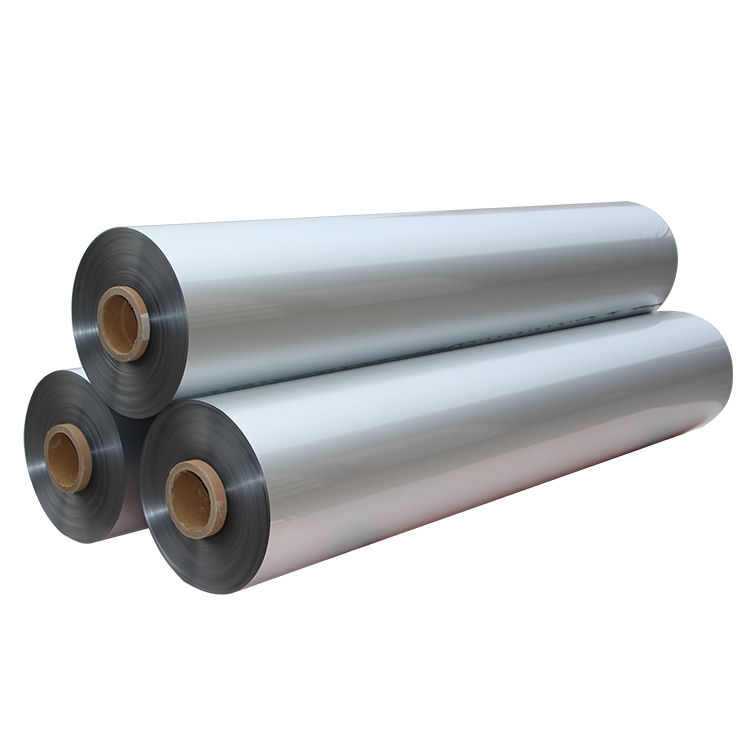
AL/PE foil laminate consists of a pure aluminum foil layer (typically 7-12 microns) extrusion-laminated with a PE (polyethylene) layer. The aluminum foil layer delivers exceptional barrier performance against both gas and moisture transmission.
The key advantage lies in barrier properties. Aluminum foil, being a zero-permeability material at sufficient thickness, achieves water vapor transmission rates (WVTR) as low as 0.1 g/m²·24h when combined with PE lamination — significantly outperforming standard metallized films. For high-end luggage, precision instrument cases, and products requiring long-term moisture protection, AL/PE foil laminate is the material of choice.
Additionally, AL/PE foil laminates offer excellent heat-sealing capability. The PE layer provides reliable thermal bonding, facilitating sewing or heat-press processing during luggage manufacturing. Common specifications include AL7/PE20, AL9/PE25, and AL12/PE30, with custom thicknesses available upon request.
2. Metallized Film Composite Liner: Lightweight and Cost-Effective
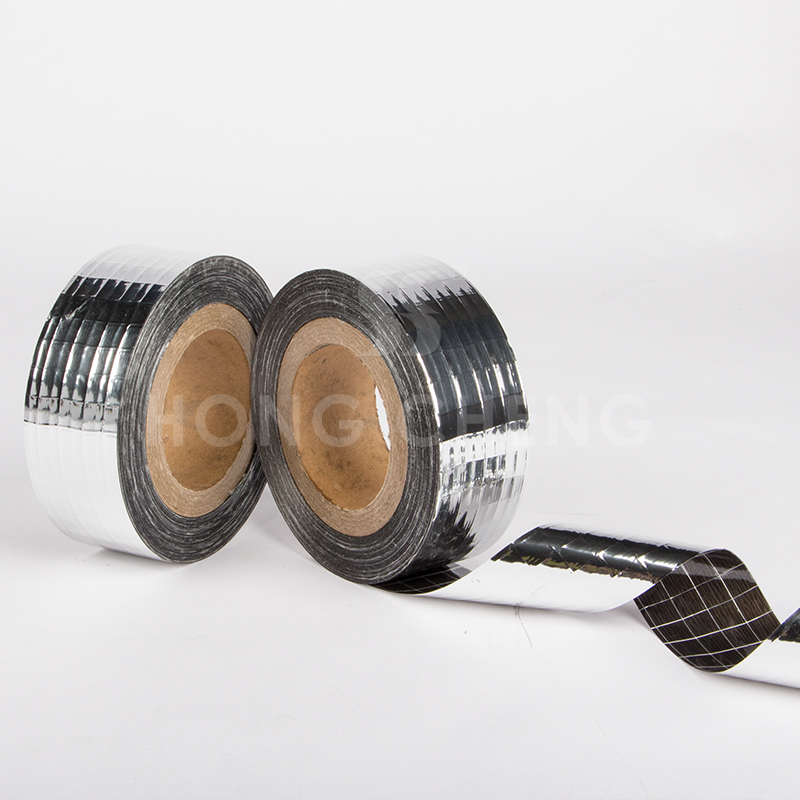
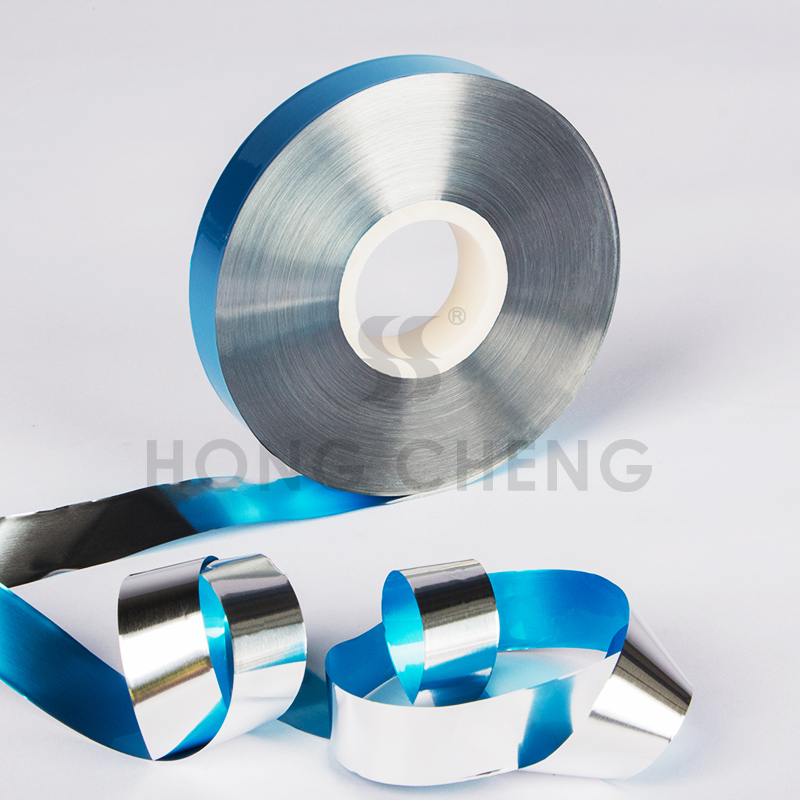
Metallized film composite liners use PET (polyester) as the base substrate, with a nanoscale aluminum layer deposited via vacuum metallization, then laminated with PE or other materials. A representative structure is VMPET12/PE20.
The primary advantages of metallized film are lightweight construction and superior visual appearance. Compared to pure aluminum foil, metallized film is significantly lighter with a uniform metallic sheen, making it ideal for applications where aesthetic quality matters. The PET substrate also provides better flexibility than aluminum foil, with improved resistance to pinhole formation and cracking under repeated folding.
On the cost side, metallized film raw material costs are typically lower than equivalent pure aluminum foil laminates, offering clear cost-performance advantages for mid-range luggage product lines.
3. Key Performance Indicator Comparison
| Performance Metric | AL/PE Foil Laminate | VMPET/PE Composite Liner |
|---|---|---|
| WVTR | ≤0.1 g/m²·24h | 0.5-2.0 g/m²·24h |
| OTR | ≤0.1 cc/m²·24h | 1.0-5.0 cc/m²·24h |
| Tensile Strength | High (foil-supported) | Medium-High (PET substrate) |
| Flex Resistance | Moderate (foil may crease) | Good (PET flexibility) |
| Heat Sealability | Excellent (PE direct seal) | Good (requires PE layer) |
| Metallic Appearance | Matte aluminum | Bright uniform sheen |
| Unit Weight | Higher | Lower |
| Relative Cost | Higher | Lower |
The data clearly shows that AL/PE foil laminate dominates in barrier performance, while metallized film composite liners excel in flexibility and cost efficiency.
4. Selection Recommendations
Luggage manufacturers should evaluate the following dimensions when selecting lining materials:
Premium Luggage / Precision Instrument Cases: Prioritize AL/PE foil laminate for guaranteed long-term moisture protection. Recommended specification: AL9/PE25 or AL12/PE30, offering reliable barrier performance.
Mid-Range Fashion Luggage: Consider VMPET/PE metallized film composite liners for balanced aesthetics and cost control. VMPET12/PE20 is a widely adopted market specification.
Functional Outdoor Backpacks: Use AL/PE foil laminate to meet moisture protection requirements under variable climate conditions.
Custom Requirements: Hongcheng Technology supports full customization of colors, widths, and thicknesses, enabling differentiated lining solutions for diverse luggage product lines.
As the global luggage market continues to expand — particularly driven by cross-border e-commerce growth — demand for high-quality lining materials rises steadily. Selecting the right aluminum foil composite material not only enhances product quality but serves as an effective tool for brand differentiation.
Phone/WhatsApp: +86 13758223270 Email: wendy@hcdxcl.com.cn
High-Temperature Foil Shielding Tape for Motor Lead Wires: What You Need to Know
Growing Demand for Reflective Sunshade Materials in the Electric Vehicle Era