Reflective Film Materials for Underfloor Heating: Metalized Film vs AL/PE Foil Laminate — A Sourcing Guide
As radiant floor heating systems become increasingly widespread in residential, commercial, and industrial buildings, the reflective insulation film used as the thermal barrier layer plays a critical role in overall system efficiency and cost management. Two types of materials dominate the market: metalized film reflective composites (VMPET-based) and aluminum foil PE reflective insulation laminates (AL/PE composites). This article offers a systematic comparison across structure, performance, application scenarios, and sourcing parameters to help underfloor heating manufacturers and procurement teams make well-informed decisions.
1. The Thermal Insulation Mechanism
In an underfloor heating system, heat pipes or electric heating elements are embedded in the floor structure, and thermal energy radiates both upward toward the room and downward toward the subfloor. Without a reflective barrier, downward heat loss can reach 15%–30% of total energy output — a significant efficiency drain.
Reflective films work through radiant barrier action: the high reflectance of aluminum surfaces (typically ≥95%) redirects infrared radiation upward, substantially reducing heat transfer to the slab or foundation. Additional foam or multi-layer structures provide conductive resistance, creating a compounded thermal protection effect.
2. Material Structure Overview
Metalized Film Composites (VMPET / VMCPP)
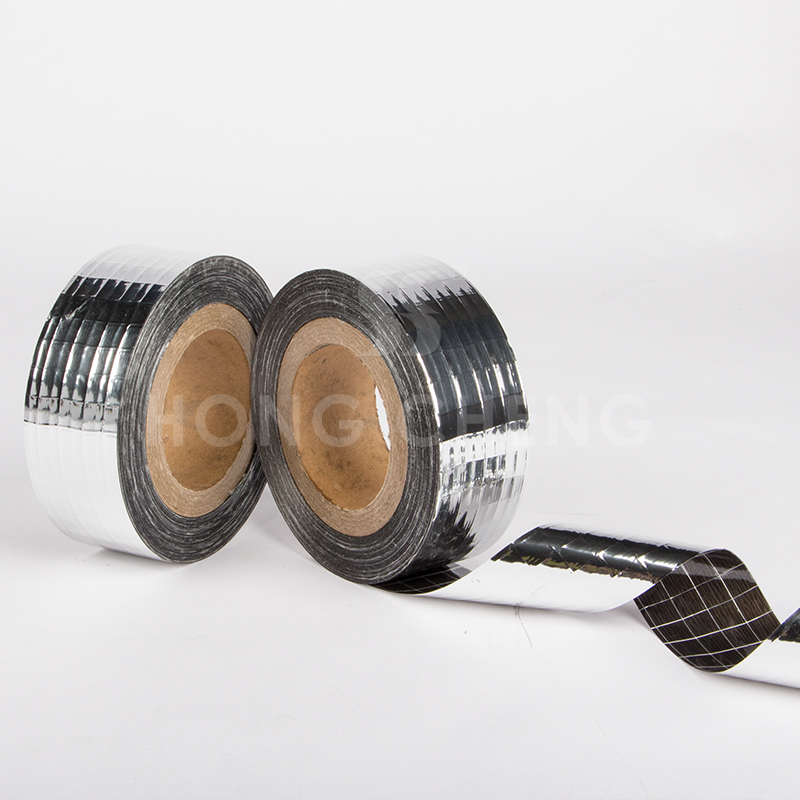
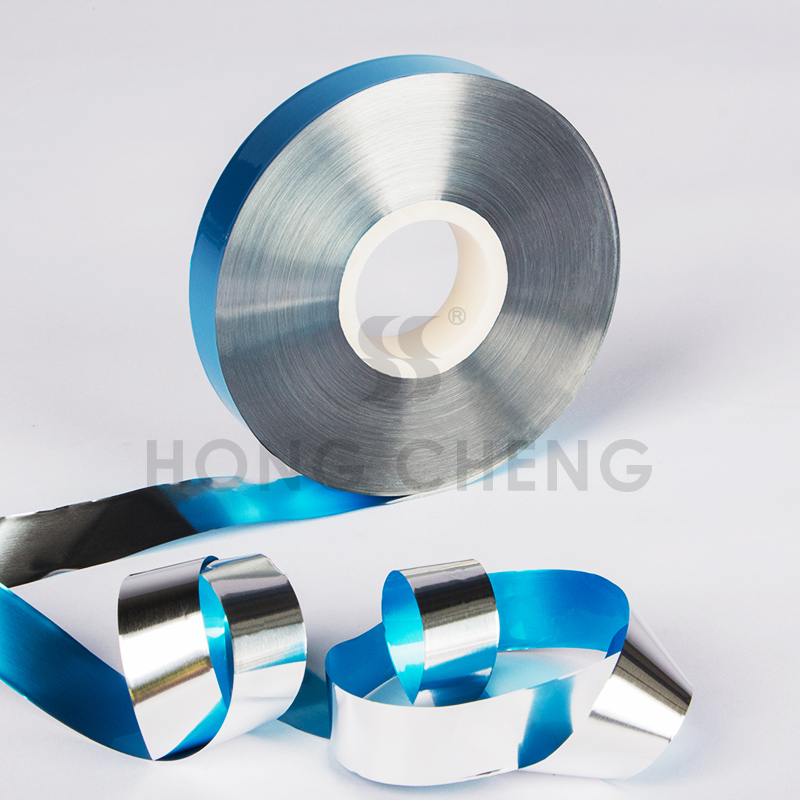
Metalized film is produced by vacuum-depositing a nano-scale aluminum layer (30–60nm) onto a PET or CPP substrate. Common constructions include:
- VMPET laminate: Metalized PET + PE coating (or bonded to nonwoven / woven fabric)
- Double-sided metalized foam: VMPET + foam PE + VMPET sandwich structure
The aluminum layer, though extremely thin, achieves 90–95% infrared reflectance. Metalized film's primary advantage is its ultra-thin, flexible profile — total thickness as low as 40–80μm — making it ideal for slim-profile or modular underfloor heating systems. The lower cost compared to pure foil laminates also makes it competitive in large-scale, budget-sensitive residential projects.
Key limitation: The vacuum-deposited aluminum layer lacks the structural integrity of solid foil. Under mechanical stress — folding, repeated bending, or foot traffic during installation — micro-cracks can form in the aluminum layer, degrading reflectance over time. Long-term moisture resistance is also lower than that of pure aluminum foil composites.
AL/PE Reflective Insulation Laminates
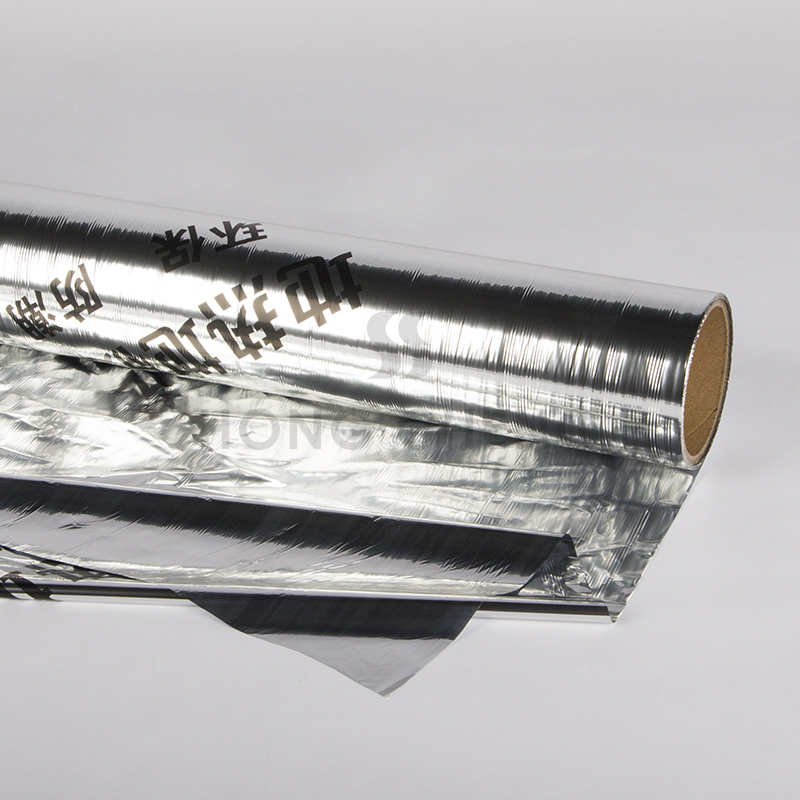
AL/PE composites use solid aluminum foil (typically 6–12μm thick) as the reflective functional layer, laminated to PE foam or plain PE film through extrusion coating or adhesive bonding. Common configurations include:
- Single-sided AL/PE: Aluminum foil (6–9μm) + PE foam (3–8mm)
- Double-sided AL/PE: Foil + foam PE + foil (bidirectional radiant barrier)
- AL/PE/woven fabric: Foil + foam PE + woven scrim (enhanced tear strength for high-traffic installation environments)
Solid aluminum foil delivers consistent, long-term reflective performance — no risk of micro-cracking, superior moisture vapor resistance (WVTR), and better suitability for high-humidity subfloor conditions such as ground-floor slabs in humid climates or freshly poured concrete.
3. Side-by-Side Performance Comparison
| Parameter | Metalized Film Composite | AL/PE Foil Laminate |
|---|---|---|
| Infrared Reflectance | 90%–95% | 95%–97% |
| Aluminum Layer Thickness | 30–60nm (nano-scale) | 6–12μm (solid foil) |
| Total Thickness | 40–200μm (ultra-thin) | 3–12mm (incl. foam layer) |
| Moisture Barrier (WVTR) | Moderate (≤1g/m²·d) | Excellent (≤0.1g/m²·d) |
| Mechanical Durability | Moderate (risk of micro-cracking) | High (solid foil intact) |
| Installation Handling | Excellent (very flexible, easy to cut) | Good (slight bulk from foam) |
| Raw Material Cost | Lower | Medium to higher |
| Typical Use Cases | Slim underfloor heating modules, budget-sensitive projects | Standard/premium systems, high-humidity conditions |
4. Application Scenario Matching
Scenario A: Slim-profile underfloor heating (total system thickness ≤20mm)
Tight thickness constraints make VMPET composites (40–80μm) the preferred choice. They can be bonded directly to heating modules during fabrication, simplifying installation while meeting reflective performance requirements.
Scenario B: Concrete slab systems (high-humidity exposure)
During concrete curing, elevated moisture levels make vapor barrier performance critical. AL/PE composites with low WVTR values effectively prevent moisture from permeating through the reflective layer, protecting pipes from corrosion and preventing floor finish delamination. Recommended specification: 9μm aluminum foil + 5mm+ PE foam.
Scenario C: Suspended timber floor heating
Timber joist systems involve an air cavity and require the reflective film to withstand some installation foot traffic. A three-layer AL/PE/woven fabric composite is recommended, with the scrim layer providing ≥200N/5cm tear resistance to maintain reflective layer integrity throughout installation.
Scenario D: Export markets and green building certification projects
Standards such as European EN 16012, Australian AS/NZS 4859, and LEED/BREEAM certification frameworks specify reflectance, WVTR, and aging resistance requirements. AL/PE foil laminates — particularly double-sided foil structures — more readily satisfy third-party testing requirements and can be supplied in RoHS-compliant, halogen-free configurations as needed.
5. Sourcing Parameter Checklist
When evaluating reflective film materials for underfloor heating, verify the following before placing orders:
- Aluminum layer type and thickness: Confirm whether the product uses nano-scale metalized deposition (nm) or solid foil (μm). Solid foil specifications should include thickness tolerance (e.g., ±0.3μm)
- Lamination bond strength: Peel strength between aluminum layer and PE layer should be ≥1.2N/25mm to prevent delamination during installation
- Reflectance test report: Request data measured per ISO 22975-3 or ASTM C1371 rather than relying on visual appearance alone
- WVTR certification: For humidity-sensitive applications, request measured values per GB/T 1037 or ASTM E96
- Width and roll specifications: Common widths for underfloor heating film are 1000mm, 1200mm, and 1500mm — confirm custom slitting availability to minimize job-site waste
6. Market Outlook
China's policy drive toward building energy efficiency — under the dual-carbon framework and revised building standards — continues to lift underfloor heating penetration in new residential and renovation projects. Industry estimates place the Chinese radiant floor heating market above RMB 80 billion in 2025, with reflective insulation materials growing in tandem as a standard system component.
Export demand is also expanding. Markets in Southeast Asia, the Middle East, and Australia are seeing accelerated residential and commercial construction, driving new demand for locally code-compliant underfloor heating components and raw materials. For Chinese composite film manufacturers, these markets represent an expanding opportunity — particularly for suppliers able to provide third-party test documentation and customized roll specifications.
Contact Us
For specifications, custom configurations, and quotations on metalized reflective composites or AL/PE foil insulation laminates for underfloor heating applications, please contact the Hongcheng Technology team.
📞 Phone/WeChat: +86 13758223270
📧 Email: wendy@hcdxcl.com.cn
AL/PE and PET/AL/PE Foil Laminates for Food & Pharma Export Packaging: A Raw Material Selection Guide
FS Aluminum Foil Scrim Laminate: The Lightweight Facing Material for Flexible HVAC Ducts