How to Choose Reflective Film for Underfloor Heating: Metalized vs AL/PE Laminates
Many underfloor heating installers and insulation distributors face the same challenge: with so many types of reflective film on the market — metalized film, aluminum foil PE composite, non-woven reflective film — priced anywhere from a few cents to over a dollar per square meter, which one is right for your project? And what thickness should you specify? As a composite material manufacturer, we will help you navigate the selection process.
The Core Metric: Where Does Reflectivity Come From?
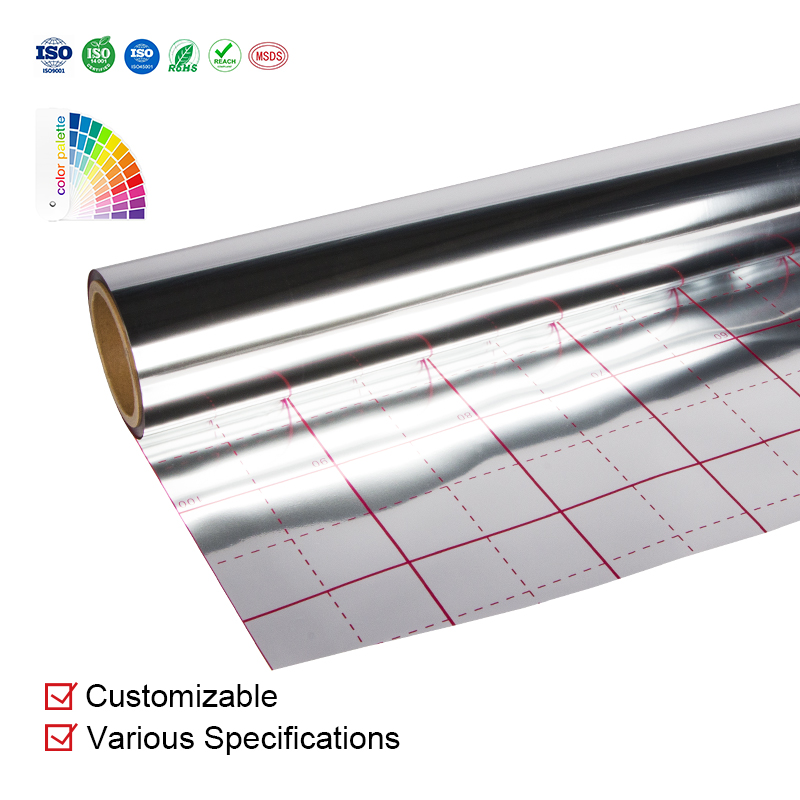
The primary function of reflective film in underfloor heating is to redirect downward radiant heat back into the room. The key performance indicator is reflectivity, which depends on two factors: the material of the reflective layer and its thickness.
There are two main categories of reflective film on the market today:
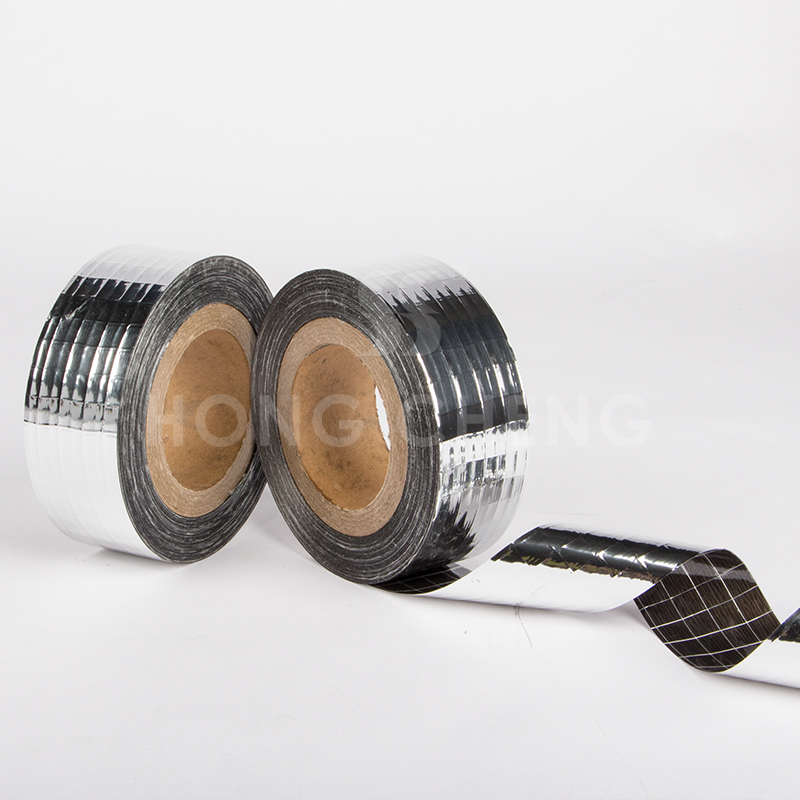
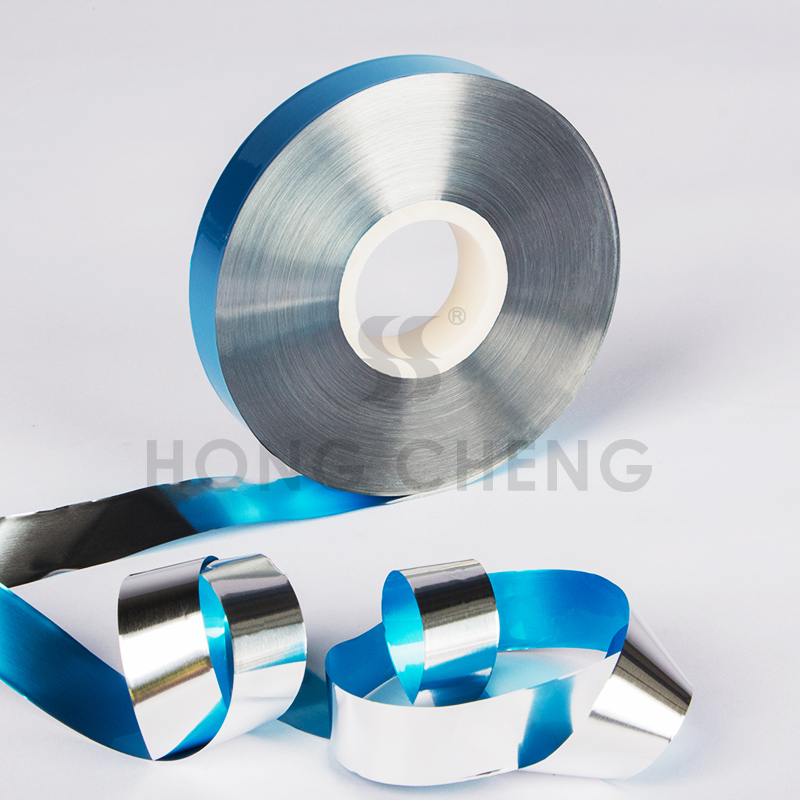
- Metalized reflective film: A vacuum-deposited aluminum layer on a PET base film (typically 12μm). The aluminum deposition thickness ranges from 200-400 angstroms (Å), equivalent to 0.02-0.04μm. A thicker aluminum layer yields higher reflectivity but also higher cost.
- AL/PE composite reflective film: A 7-9μm pure aluminum foil laminated with a PE coating layer. The aluminum foil serves as the reflective layer, while the PE layer provides flexibility and heat-sealability.
The fundamental difference: metalized film has an extremely thin (nanometer-scale) deposited aluminum layer, offering lower cost but reflectivity constrained by deposition thickness; AL/PE composite film uses a solid aluminum foil (micron-scale) as the reflective layer, delivering more stable reflectivity at a higher material cost.
1. Selection by Floor Heating Type: Wet vs Dry Systems
Different underfloor heating structures place very different demands on reflective film.
Wet systems (screed-embedded) are the most common type. The reflective film is laid on top of the insulation board, beneath the heating pipes, and covered with concrete screed. This environment requires:
- Alkali resistance: Concrete is alkaline and can corrode the reflective layer over time
- Puncture resistance: Wire mesh and pipe clips penetrate the film
- Recommended solution: Metalized reflective film (12μm PET base + 300-400Å aluminum layer), total thickness approximately 1.2-1.5丝 (12-15μm), reflectivity ≥85%
Dry systems (prefabricated grooved panels) do not involve concrete screed. The reflective film is laid directly under the modular panels. This scenario requires higher flexibility to conform to panel grooves:
- Recommended solution: AL/PE composite reflective film, 7μm aluminum foil + 30μm PE layer, total thickness approximately 3.7丝 (37μm), reflectivity ≥92%
2. Selection by Insulation Board Type: XPS vs EPS
The reflective film is typically laid on top of insulation boards, and the surface smoothness of the board directly affects performance.
| Insulation Board | Surface Characteristics | Recommended Film | Thickness | Reflectivity Reference |
|---|---|---|---|---|
| XPS | Smooth surface, high density | Metalized reflective film | 12-15μm | ≥85% |
| EPS molded board | Slightly textured surface | AL/PE composite reflective film | 35-40μm | ≥90% |
| High-density EPS (white crystal board) | Very smooth, high density | Metalized reflective film (high-deposition) | 15μm | ≥88% |
Why choose thicker AL/PE composite for EPS boards? EPS surfaces have micro-texture. If the reflective film is too thin, it will develop surface distortion during installation — losing flatness and significantly reducing reflective performance. A thicker AL/PE composite provides a "bridging" effect, covering minor surface irregularities.
3. Selection by Reflectivity Requirements: Standard vs Premium Projects
If your project has specific thermal efficiency targets, use reflectivity as your selection benchmark:
Standard residential (reflectivity ≥80%):
- Metalized reflective film, aluminum deposition 200-300Å
- 12μm PET base + deposition layer, total thickness 12-14μm
- Material cost reference: approximately $0.04-0.07/sqm (ex-factory)
Mid-to-high-end projects (reflectivity ≥88%):
- Metalized reflective film (high-deposition), 350-400Å aluminum layer
- Or AL/PE composite, 7μm aluminum foil
- Material cost reference: approximately $0.07-0.14/sqm
Premium/villa projects (reflectivity ≥92%):
- AL/PE composite reflective film, 9μm aluminum foil + 30-40μm PE layer
- Total thickness approximately 40-50μm
- Stable reflectivity above 92%
- Material cost reference: approximately $0.14-0.21/sqm
Note: Reflectivity values must be compared under the same testing standard (typically per GB/T 2680 or ASTM E408). Different manufacturers may use different test conditions, so direct cross-vendor comparison may not be valid.
4. Selection by Roll Dimensions: Matching Width and Length
Reflective film is supplied in roll form. The width and length directly impact installation efficiency:
| Pipe Spacing | Recommended Roll Width | Rationale |
|---|---|---|
| 15cm spacing | 100cm width | Standard rooms are 3-4m wide; 100cm width is convenient for seaming |
| 20cm spacing | 100-120cm width | Wider format reduces seams |
| Large commercial projects | 120-150cm width | Fewer seams, 30%+ improvement in installation efficiency |
Common roll lengths: 50m, 100m, 200m. 100m/roll is the most versatile specification, balancing portability and installation continuity.
5. Critical Reminders: Three Common Misconceptions
Reminder 1: Do not order based on "reflective film" alone. Metalized film and AL/PE composite film are both called "reflective film," but the reflective layer material is fundamentally different. Metalized film suits budget-conscious projects and alkaline environments (wet systems). AL/PE composite suits projects requiring higher reflectivity and uneven substrate surfaces (EPS boards). Confirm the installation conditions first, then select the material type.
Reminder 2: "Thicker is better" does not apply to reflective film. Reflective film is not insulation board — its core function is reflecting radiant heat, not blocking conductive heat transfer. A metalized film at 12-15μm total thickness is sufficient. Over-thickening the PET base (e.g., from 12μm to 25μm) increases cost without performance benefit and reduces flexibility, making it harder to lay flat against the insulation board.
Reminder 3: The reflective side must face upward. This is basic installation knowledge, yet reversed installation still occurs on job sites. The reflective layer (metalized side or aluminum foil side) must face toward the heat source — i.e., the heating pipe side. If installed upside down, reflectivity drops to near zero, negating the purpose of the film.
Conclusion
Underfloor heating reflective film may seem simple, but the combination of material type, thickness, width, and reflectivity directly impacts the thermal efficiency of the entire system. Hongcheng Technology specializes in aluminum foil composite materials and metalized film manufacturing, offering customized metalized reflective film (PET base 12-25μm, aluminum deposition 200-400Å) and AL/PE composite reflective film (aluminum foil 7-12μm, PE layer 20-70μm), with sample testing available. If you need material selection guidance for a specific project or have custom requirements, please contact us for one-on-one consultation.
Tel/WhatsApp: +86 13758223270 Email: wendy@hcdxcl.com.cn
Woven Aluminum Foil for Crate Lining: Summer Moisture Protection Guide
How to Choose AL/PE Duct Jacket for Summer HVAC Systems: Heat & Condensation Guide