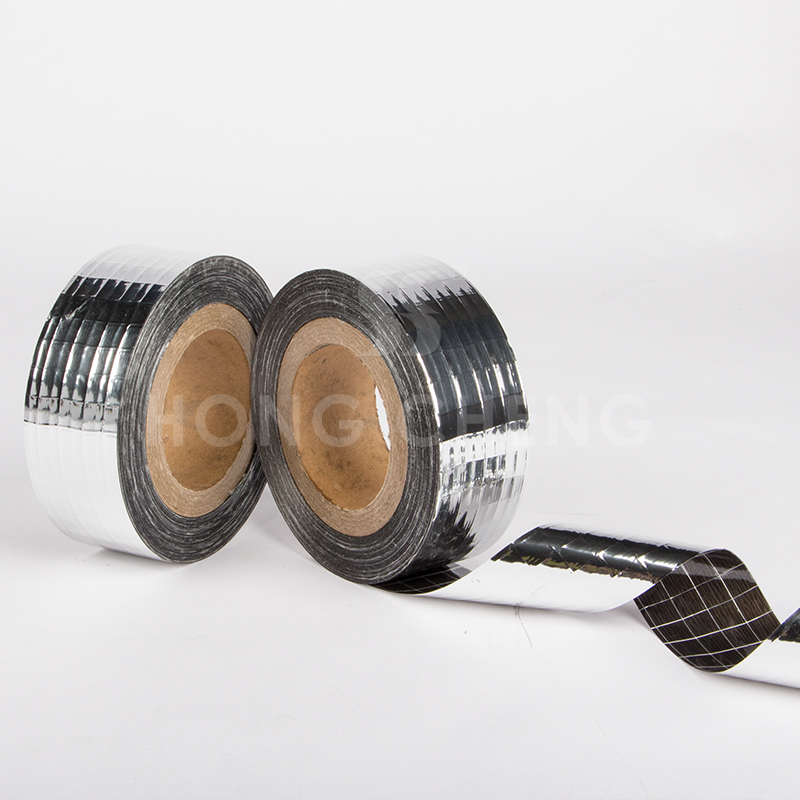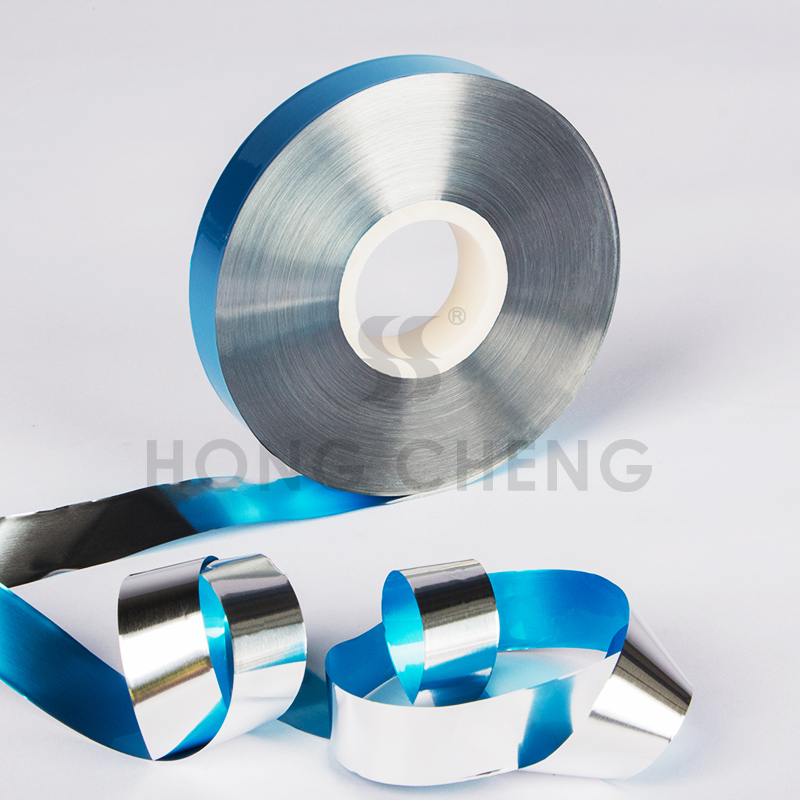
What are the applications of VMPET film coating?
Aluminum film coating is a material that combines aluminum film with other materials through coating technology, combining the characteristics of aluminum film and the advantages of coating materials. This innovative material integrates the barrier properties, reflectivity, and durability of aluminum with the flexibility, adhesion, and functional diversity of coating materials, resulting in a versatile product with a wide range of applications in packaging, agriculture, construction, and other fields. The following are some common applications, along with detailed insights into their performance and benefits:
Packaging field
Food packaging: Aluminum coated film has good barrier properties and can effectively block oxygen, water vapor, and light, which can extend the shelf life of food. It is commonly used for packaging biscuits, potato chips, chocolate, milk powder, and other foods. For example, potato chip bags made with aluminum film coating can reduce oxygen transmission rate to less than 1cc/100in²/day, keeping the chips crispy for up to 3 months, compared to only 2-3 weeks with ordinary plastic packaging. In milk powder packaging, the material’s water vapor barrier (as low as 0.1g/100in²/day) prevents clumping, ensuring the powder remains free-flowing even in humid environments. Additionally, the light-blocking ability of aluminum film protects photosensitive foods like chocolate from melting or discoloration caused by ultraviolet rays, maintaining their texture and appearance.
Pharmaceutical packaging: It has a good protective effect on drugs, preventing them from getting damp, oxidized, and spoiled. It is commonly used for packaging tablets, capsules, powders, and other drugs. Many antibiotics and vitamins are sensitive to moisture and oxygen; aluminum film coating packaging can reduce the moisture content inside the package to below 3%, ensuring the drugs retain their potency throughout their shelf life. For example, vitamin C tablets packaged in aluminum-coated blister packs have a shelf life of 2-3 years, compared to 6-12 months in traditional paper or plastic packaging. The material also provides a hermetic seal, preventing contamination and ensuring the sterility of medical products such as surgical dressings and disposable syringes.
Packaging for daily necessities: It is also used in the packaging of cosmetics, shampoo, shower gel and other daily necessities, which can enhance the appearance and texture of the product while also protecting it. High-end skincare products often use aluminum film coating in their packaging to protect active ingredients like retinol and hyaluronic acid from oxidation, which can degrade their effectiveness. The glossy finish of the aluminum layer adds a premium feel, making the product stand out on store shelves. For example, a luxury perfume packaged in an aluminum-coated box not only prevents light-induced degradation of the fragrance but also gives the product an elegant, reflective surface that appeals to consumers.
Industrial product packaging: For some industrial products that require moisture and rust prevention, such as electronic products, hardware accessories, etc., aluminum film coating can provide effective protection. Electronic components like circuit boards and sensors are highly susceptible to moisture, which can cause short circuits or corrosion. Aluminum film coating packaging with a moisture vapor transmission rate (MVTR) of less than 0.5g/m²/day keeps these components dry during storage and transportation. Hardware items like screws and nuts, when wrapped in aluminum-coated film, are protected from rust caused by humidity, reducing the need for anti-rust oils and simplifying maintenance.
In the field of agriculture
Agricultural film: Aluminum plated film can be used to make agricultural greenhouse film, plastic film, etc. It has good insulation, moisturizing, and reflective properties, which can improve the photosynthetic efficiency of crops, promote crop growth, and reduce the occurrence of pests and diseases. Greenhouses covered with aluminum-plated film can reflect up to 70% of infrared radiation, maintaining a stable internal temperature—warmer in winter and cooler in summer. This temperature regulation can increase crop yields by 15-20% for vegetables like tomatoes and cucumbers. The film also reduces water evaporation by 30-40%, conserving irrigation water. Additionally, the reflective surface disrupts the feeding and mating patterns of certain pests, reducing the need for chemical pesticides by up to 25%.
Sunshade net: During high temperatures in summer, the sunshade net made of aluminum coated film can provide shade and cooling for crops, reduce temperature, decrease water evaporation, and promote crop growth. In regions with intense summer sunlight, these sunshade nets can lower the temperature in the crop canopy by 5-8℃, preventing heat stress in plants like lettuce and spinach. By reducing water evaporation from the soil, they can cut irrigation frequency by half, saving both water and labor costs. Tests on strawberry farms have shown that using aluminum-coated sunshade nets increases fruit size and sweetness by improving the plant’s water-use efficiency.
Construction field
Thermal insulation material: Aluminum coated film can be combined with other insulation materials for thermal insulation of roofs, walls, and other parts of buildings. The characteristic of reflecting heat can effectively reduce the temperature inside buildings and decrease energy consumption. When used in conjunction with foam insulation, aluminum film coating reflects 95% of solar radiation, preventing heat from entering the building in summer. This can reduce air conditioning energy consumption by 20-30% in hot climates. In cold regions, the material acts as a vapor barrier, preventing moisture from seeping into the insulation and reducing its effectiveness, thus maintaining consistent indoor temperatures and lowering heating costs.
Waterproof membrane: After being combined with waterproof substrate, it can enhance the performance of waterproof membrane, improve its waterproof, moisture-proof and weather resistance, and is widely used in waterproofing projects such as roofs and basements of buildings. Aluminum-coated waterproof membranes have a service life of 20-30 years, compared to 10-15 years for traditional asphalt membranes. The aluminum layer protects the underlying waterproof material from UV degradation, ensuring long-term performance. In basement waterproofing, these membranes prevent water seepage even under hydrostatic pressure, keeping the space dry and reducing the risk of mold growth.
Other fields
Advertising materials: Aluminum plated film has good glossiness and reflectivity, and can be used to make advertising posters, lightbox films and other advertising materials, which can attract people's attention and improve advertising effectiveness. Lightbox films made with aluminum plating have a high reflectivity, making the displayed images brighter and more vivid, even in low light conditions. This increases visibility by 40-50% compared to standard films, making them ideal for outdoor billboards and storefront signage. The material is also weather-resistant, withstanding rain, wind, and UV rays without fading, ensuring the advertisement remains eye-catching for years.
Decorative materials: In some indoor decorations, aluminum plated film can be used to make decorative wallpapers, decorative paintings, etc., adding beauty and fashion to the indoor environment. Aluminum-coated decorative wallpapers have a metallic sheen that can mimic the appearance of expensive metals like gold or silver, at a fraction of the cost. They are also easy to clean, making them suitable for high-traffic areas like living rooms and hallways. Decorative paintings using aluminum film coating have a unique, three-dimensional effect due to the material’s light-reflecting properties, creating a dynamic visual experience that changes with the angle of light.
Electronic appliances: can be used as packaging and shielding materials for electronic and electrical products, which can prevent static electricity and electromagnetic interference, protect the performance and stability of the products. In the packaging of sensitive electronic devices like smartphones and laptops, aluminum film coating acts as an electrostatic shield, preventing static discharge from damaging internal components. It also blocks electromagnetic interference (EMI) from other devices, ensuring that products like Wi-Fi routers and Bluetooth headsets maintain stable signal transmission. For example, aluminum-coated shielding sleeves for HDMI cables reduce signal loss caused by EMI, ensuring high-definition video transmission without glitches.
Advantages Over Traditional Materials
Aluminum film coating outperforms traditional materials in several key aspects. Compared to pure aluminum foil, it is more flexible and less prone to tearing, making it suitable for applications requiring frequent handling, such as food packaging and agricultural films. When compared to plastic films, it offers superior barrier properties, extending the shelf life of products by 2-3 times. In construction, it is lighter than metal sheets, reducing installation costs and structural load. Additionally, the coating process allows for customization—adjusting the thickness of the aluminum layer or the type of coating material to meet specific performance requirements, from high-temperature resistance to biodegradability.
Environmental Considerations
Modern aluminum film coating materials are increasingly designed with sustainability in mind. Many are recyclable, with the aluminum layer easily separated from the coating material for reuse. Some manufacturers use water-based coatings instead of solvent-based ones, reducing volatile organic compound (VOC) emissions during production. Biodegradable coating materials, such as those made from plant-based polymers, are also being developed, ensuring that the material breaks down naturally after use, minimizing environmental impact.
Future Developments
As technology advances, aluminum film coating is expected to find new applications in emerging fields. In the automotive industry, it may be used in thermal insulation for electric vehicle batteries, helping to regulate temperature and extend battery life. In healthcare, it could be integrated into smart packaging that monitors the freshness of food or the potency of drugs, using the aluminum layer as a conductive element for sensors. With ongoing improvements in coating technology, the material’s performance—such as barrier properties, durability, and sustainability—will continue to enhance, solidifying its role as a versatile and essential material across industries.
What are the applications of aluminum & PET composite materials?
Can aluminum plastic composite foil be applied to luggage lining?