White Kraft Paper or Yellow Kraft Paper? Here’s How to Choose
2025-07-02
When selecting packaging materials, people often find themselves torn between white kraft paper and yellow kraft paper. Although these two types of paper may seem similar at first glance, they have distinct differences in many aspects. Understanding these disparities will enable you to make a more informed decision that aligns perfectly with your needs.
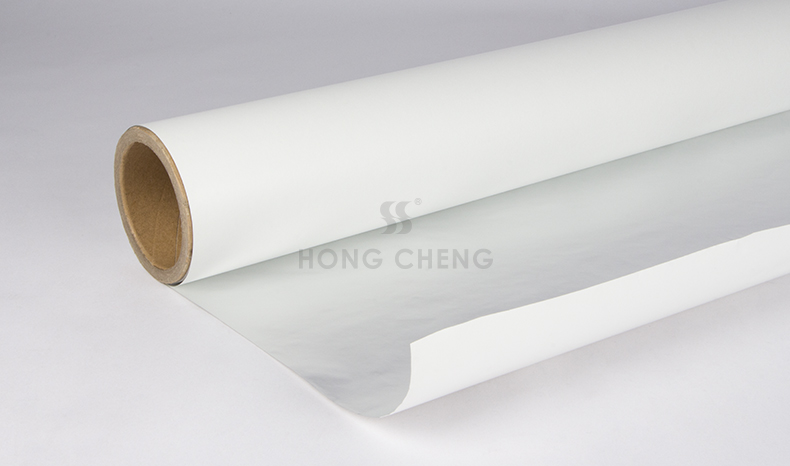
In terms of color, white kraft paper features a pristine, double-sided white hue, exuding a sense of simplicity and cleanliness. On the other hand, yellow kraft paper presents a natural, earthy yellow tone, which is generally perceived as more traditional and inherently rustic. This color difference endows them with unique advantages in various application scenarios.
The materials used in their production determine their fundamental properties. Yellow kraft paper is typically made from wood pulp, which gives it remarkable durability and strength. White kraft paper, in contrast, requires a more meticulous manufacturing process. Its surface is crafted from bleached wood pulp, while the core and base layers utilize unbleached wood pulp. This combination of materials results in a smoother and more refined texture for white kraft paper.
When it comes to printing performance, white kraft paper outshines yellow kraft paper significantly. The smooth surface of white kraft paper can better showcase the colors and patterns of printed content, ensuring sharp text clarity and detailed image quality. For product packaging that demands exquisite printing, such as luxury gift boxes and designer brand shopping bags, white kraft paper is the ideal choice. By comparison, printed yellow kraft paper tends to have a duller color, and full - color printing is less common. Nevertheless, for packaging that doesn't require high - end printing and leans towards a minimalist style, yellow kraft paper suffices.
Price is a crucial factor for many when making a choice. Generally, white kraft paper comes with a relatively higher price tag. This is mainly due to its more intricate manufacturing process and higher material costs. Yellow kraft paper, with its simpler production process, is more budget - friendly. If you're on a tight budget, yellow kraft paper may be the more suitable option. However, if you're seeking high - quality and distinctive effects, the value of white kraft paper will be more evident.
In terms of applications, white kraft paper is predominantly used in areas where appearance and printing quality are of high importance. In the printing industry, for example, many paper bag manufacturers use it to produce elegant paper bags. It is also commonly used for making envelope bags, document bags, and shopping bags, enhancing the overall aesthetic and perceived value of the products. Yellow kraft paper, primarily serves as a packaging material. It is widely applied in the packaging of high - end products, including wine boxes and gift boxes for sportswear. Additionally, it is frequently used for document bags, standard envelopes, and linerboard for corrugated boxes. Its robust nature provides excellent protection for the items inside.
In conclusion, both white kraft paper and yellow kraft paper have their own merits. When choosing between them, it’s essential to consider factors such as color requirements, printing needs, budget constraints, and specific applications comprehensively. Only in this way can you select the most suitable kraft paper, allowing it to maximize its value in the appropriate context.
This Cost Cannot Be Saved! Why is the Nylon Composite Layer a Must for Heavy-Duty Packaging?
How to Ensure the Flexibility of Plastic Packaging in Low-Temperature Environments