Woven Aluminum Foil Laminate for Equipment Vacuum Packaging: A Technical Selection Guide
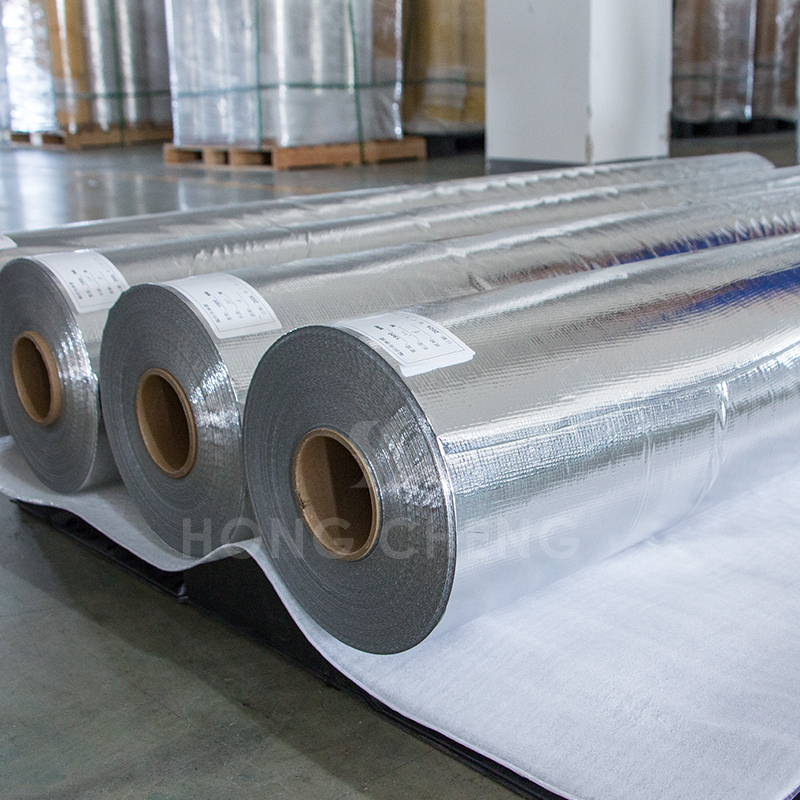
In the world of industrial equipment export, heavy machinery logistics, and precision instrument storage, vacuum packaging is the frontline defense against moisture, oxidation, and corrosion. At the heart of every effective vacuum packaging system lies a critical material choice: the barrier laminate. Woven aluminum foil composite films have emerged as the go-to solution for industrial-grade vacuum packaging, and for good reason.
Why Woven Structure Matters
Equipment vacuum packaging operates under conditions that consumer packaging never encounters. Large equipment pieces can weigh tons, feature sharp edges, and must survive months at sea in stacked containers. Standard PE films or single-layer aluminum foils simply cannot withstand the mechanical stress from forklift handling, container stacking, and equipment protrusions.
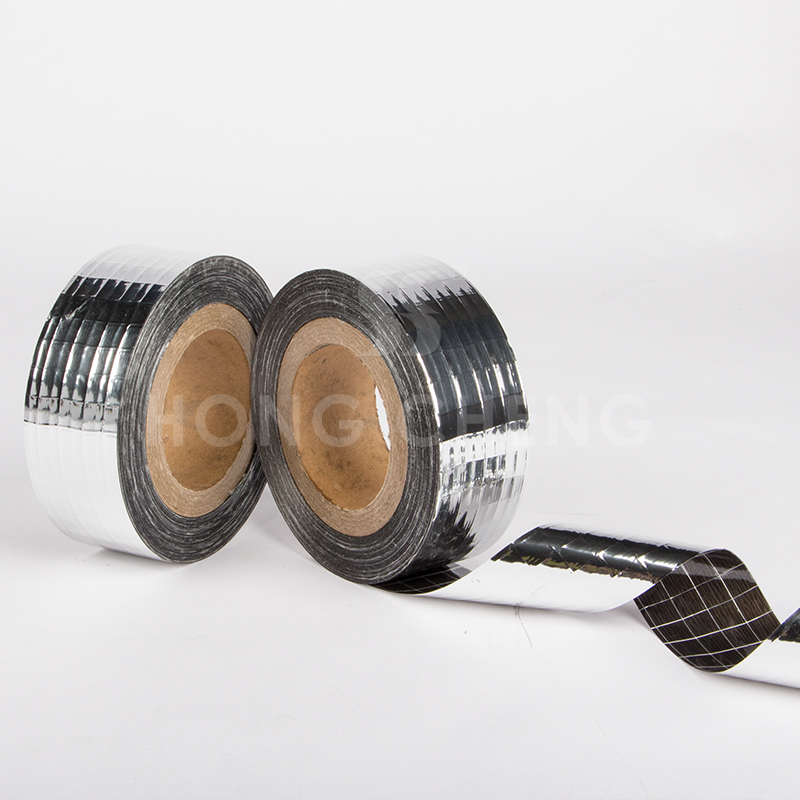
The woven aluminum foil laminate solves this through a three-layer engineered structure. The outer aluminum foil layer provides the gas and moisture barrier — typically 7 to 12 microns of aluminum with pinhole-controlled quality. The middle layer is a woven fabric (PP or PET), which delivers the tensile strength and puncture resistance that equipment packaging demands. The inner layer is PE extrusion-coated for heat-sealability. Together, these three layers create a material that is simultaneously barrier-effective, mechanically robust, and production-ready on standard vacuum packaging lines.
Key Performance Parameters
Water Vapor Transmission Rate (WVTR)
The WVTR of a quality woven aluminum foil laminate should be below 0.1 g/m²·24h. This performance is driven primarily by aluminum foil thickness and pinhole control. For ocean freight equipment packaging where moisture exposure is prolonged, a 9μm+ aluminum layer with rigorous pinhole inspection is strongly recommended.
Tensile Strength and Puncture Resistance
The woven fabric layer is the load-bearing core. Common fabric weights range from 60 to 120 g/m². Heavier equipment and larger bag dimensions call for higher fabric weight. For hoisting and lifting applications, 80 g/m² and above is advisable. For equipment with sharp corners, puncture resistance data should be specifically requested from the supplier.
Heat Seal Strength
The inner PE coating thickness typically ranges from 20 to 50μm. For equipment vacuum packaging, a minimum of 30μm PE is recommended, delivering heat seal strength of ≥40N/15mm — sufficient for maintaining seal integrity under vacuum over extended periods.
Pinhole Control in Aluminum Layer
Pinhole count is a critical quality parameter often overlooked in procurement. Industry best practice limits pinholes to fewer than 5 per square meter (diameter <0.5mm). For high-value precision equipment, a zero-pinhole specification should be specified.
Temperature Tolerance
Export equipment may encounter tropical heat or arctic cold. Standard woven aluminum foil laminates perform reliably between -20°C and 80°C. For extreme temperature applications, glass-fiber woven reinforcement with high-temperature aluminum foil composite can extend the range to 150°C and above.
Application Scenarios
Heavy Equipment Export Packaging: Power generators, transformers, CNC machines, and other capital equipment destined for overseas markets are commonly vacuum-packaged using woven aluminum foil laminates, paired with desiccants, to ensure rust-free arrival after months at sea.
Wooden Crate Liner: Using woven aluminum foil laminate as an inner liner for wooden crates creates an effective moisture barrier for construction machinery and precision instruments during domestic transport and short-term storage.
Hoisting and Rigging Packaging: Large components being lifted and transferred can be wrapped in flexible vacuum bags made from woven aluminum foil laminates. The material conforms tightly after vacuum extraction, providing moisture protection without tearing during handling.
Procurement Recommendations
When sourcing woven aluminum foil laminates, procurement professionals should clarify the following with suppliers:
- Aluminum foil thickness (7μm, 9μm, or 12μm depending on barrier requirements)
- Woven fabric type (PP woven or PET woven) and weight per square meter
- Inner PE coating thickness and heat seal strength specification
- WVTR and pinhole count test reports
- Roll width (commonly 1200mm to 1600mm) and roll diameter
- Minimum order quantity and lead time
As a raw material manufacturer, Hongcheng Technology offers customized combinations of aluminum foil thickness, woven fabric specifications, and PE coating thickness to help clients achieve the optimal balance between moisture barrier performance and cost efficiency for their specific application scenarios.
Tel/WhatsApp: +86 13758223270 Email: wendy@hcdxcl.com.cn
5G Expansion Enters New Phase: Rising Demand for Aluminum Mylar Shielding Tape in Coaxial Cables
Metalized Film Shade Net Composites: Technology Evolution Driving Multi-Sector Adoption