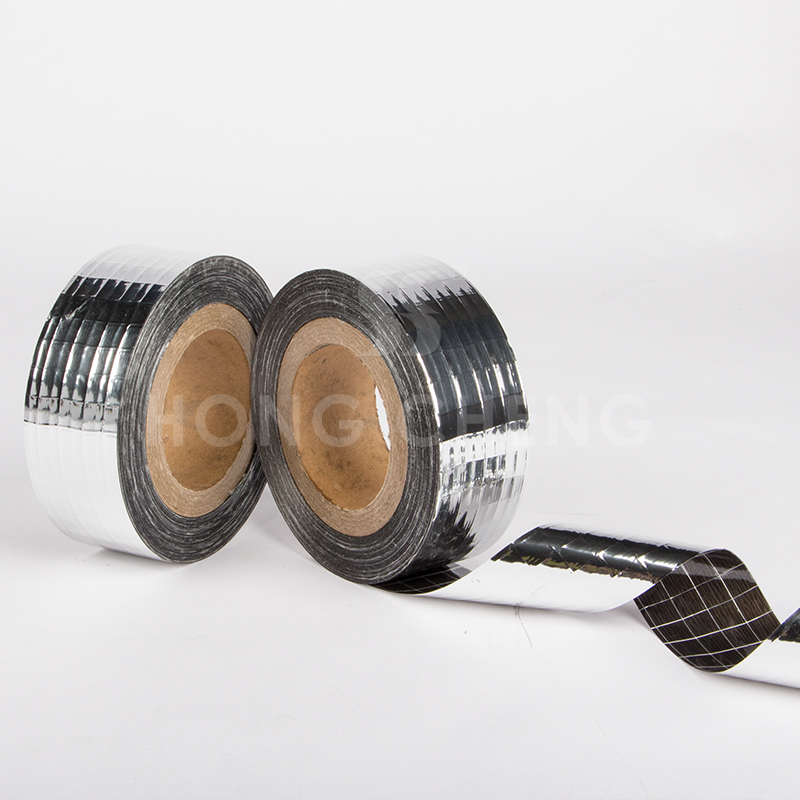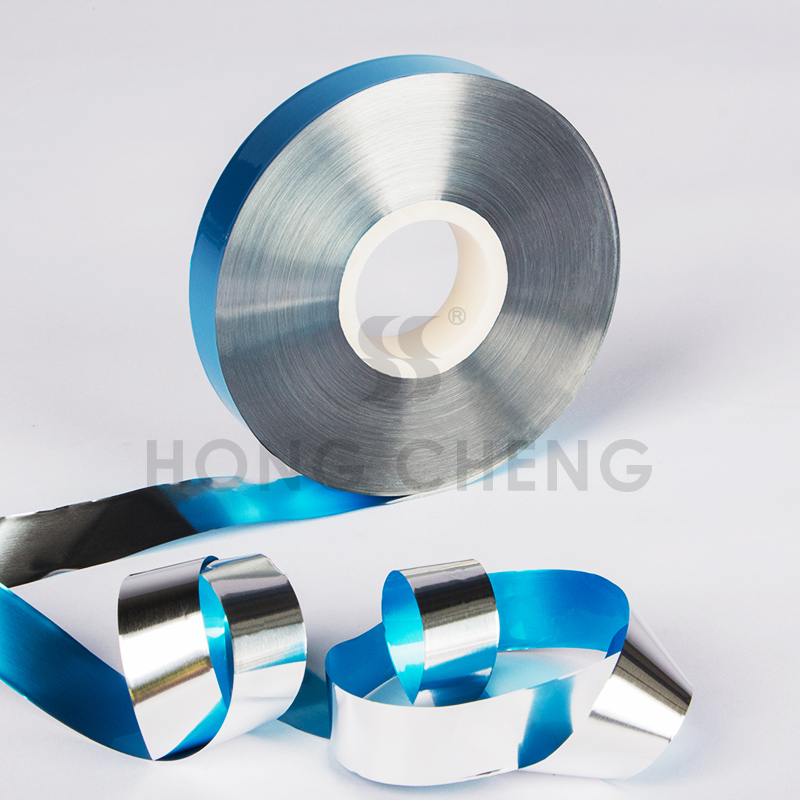
Woven Aluminum Foil Vacuum Packaging Laminate: The Core Material for Heavy-Duty Industrial Vacuum Bags
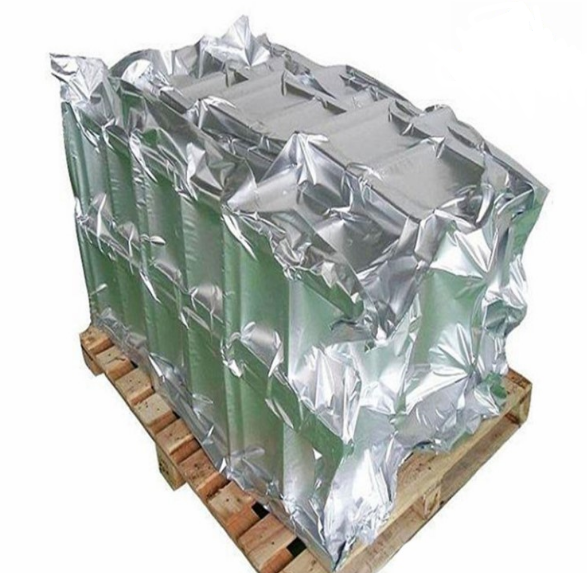
Introduction: Why Industrial Vacuum Packaging Demands More Than Standard Foil
Vacuum packaging is no longer confined to food applications. In heavy industrial sectors — precision machine parts, large electronic assemblies, steel components, military hardware, and chemical powders — the need for long-term moisture protection, corrosion resistance, and oxygen barrier performance is more critical than ever.
These demanding applications require a fundamentally different material from standard food-grade aluminum foil pouches. The answer lies in woven aluminum foil vacuum bag laminate — a purpose-engineered composite material designed for the rigors of industrial shipping and storage.
As global manufacturing supply chains continue to concentrate in Asia, Chinese industrial exports increasingly travel long distances over extended periods — sometimes three to six months by sea. This places enormous pressure on packaging materials to maintain integrity throughout the journey. The market for woven foil composite laminates and aluminum foil woven moisture barrier films is expanding rapidly in response.
What Is Woven Aluminum Foil Vacuum Bag Laminate?
Woven aluminum foil laminate is a multi-layer composite structure typically consisting of:
- Outer layer: BOPET (biaxially-oriented polyester film) — provides printable surface and initial mechanical strength
- Middle layer: Aluminum foil (7–12 μm) — core barrier against water vapor, oxygen, and light
- Reinforcement layer: PP or PE woven fabric — delivers puncture resistance, tear strength, and load-bearing capacity
- Inner layer: PE or CPP heat-seal film — enables reliable bag sealing and safe contact with contents
This multi-layer construction delivers exceptional combined performance: the aluminum foil's superior barrier properties are reinforced by the woven fabric's mechanical strength, creating a material that handles both moisture protection and physical stress far beyond the capability of standard foil laminates.
Common specification ranges include:
- Aluminum foil thickness: 7 μm, 9 μm, 12 μm
- Woven fabric weight: 60 g/m², 80 g/m², 100 g/m²
- Total thickness: 120 μm to 200 μm
- Width: 500 mm to 2,000 mm (customizable)
Key Application Scenarios
1. Precision Mechanical Parts — Bearings, Gears, Hydraulic Components
Metal precision parts are highly susceptible to oxidation and rust during extended sea freight. Traditional solutions — cardboard boxes with desiccant packs — fail in high-humidity container environments over multi-month voyages. Woven foil vacuum bags, with water vapor transmission rates (WVTR) below 0.01 g/m²/day and high seal strength, can provide 3–5 years of effective moisture protection.
2. Steel Coils, Aluminum Ingots, and Metal Profile Packaging
For heavy bulk metal products, woven foil laminate offers the mechanical strength to wrap loads weighing hundreds of kilograms without tearing or puncturing, while simultaneously providing corrosion protection. This is simply not achievable with standard thin aluminum composite films.
3. Large Electronic Modules and PCB Assembly Protection
Transformers, large sensor assemblies, and PCB components require strict moisture control during storage and transit. Woven foil laminates offer a reliable multi-barrier system and can be combined with conductive coatings for additional static shielding.
4. Chemical Powders, Desiccants, and Catalyst Packaging
Chemical powders sensitive to moisture — including catalysts, specialty desiccants, and reactive compounds — demand packaging with both barrier performance and load-bearing capacity. Woven aluminum foil moisture barrier bags meet both requirements in a single material solution.
Performance Comparison: Woven Foil vs. Standard Foil Composite
| Parameter | Woven Foil Laminate | Standard PET/AL/PE Film |
|---|---|---|
| Tensile strength | Very high (≥300 N/5cm) | Moderate (~100–150 N/5cm) |
| Puncture resistance | Excellent | Limited |
| WVTR (water vapor) | <0.01 g/m²/day | <0.1 g/m²/day |
| Heat seal strength | High | Medium |
| Suitable load weight | Heavy (tens to hundreds of kg) | Light to medium (≤10 kg) |
| Cost | Higher | Lower |
For heavy industrial vacuum applications, woven foil laminate is the clear choice. Standard foil composites remain appropriate for lightweight or consumer-oriented packaging.
Key Procurement Parameters
When sourcing woven aluminum foil vacuum bag laminate or woven foil moisture barrier film rolls, procurement teams should evaluate:
- Foil purity and thickness: Pure aluminum (Al ≥ 99.1%) provides superior barrier performance; minimum 9 μm foil thickness recommended
- Woven fabric weight and material: Higher-weight PP woven fabric offers greater strength for heavy loads; PE woven fabric provides better flexibility
- Heat-seal layer: CPP (cast polypropylene) is recommended for export applications due to higher temperature resistance; PE is suitable for standard domestic use
- Width customization: Laminate roll width directly determines bag dimensions; suppliers capable of producing 500–2,000 mm widths offer greater flexibility
- Quality certifications: ISO 9001 quality management system is standard; food-contact applications additionally require FDA or GB 9683 compliance
Supply Capabilities at Hongcheng Technology
Hangzhou Hongcheng Technology Co., Ltd. specializes in the development and production of aluminum foil composite materials, including woven aluminum foil vacuum bag laminate and aluminum foil woven moisture barrier film supplied as roll stock to bag converters and industrial end-users worldwide.
Our key capabilities include:
- Flexible customization of foil thickness, woven fabric weight, and heat-seal layer composition
- Roll widths from 500 mm to 2,000 mm to accommodate diverse bag manufacturing requirements
- Stable monthly production capacity at the hundred-metric-ton level
- Supply chain serving both domestic Chinese converters and direct international buyers
For specifications, pricing, or sample requests, please contact us at www.techfoil.com.
Thin-Profile AL/PET Shielding Film: The Critical Material Behind HDMI 2.1, USB4 and DisplayPort 2.0 Cables
Foil Bubble Composite Film for Insulated Box Liners: Structure, Performance and Material Selection Guide