The influence of materials and composite processes used in composite tapes on the process characteristics and quality of optical cables
2024-12-26
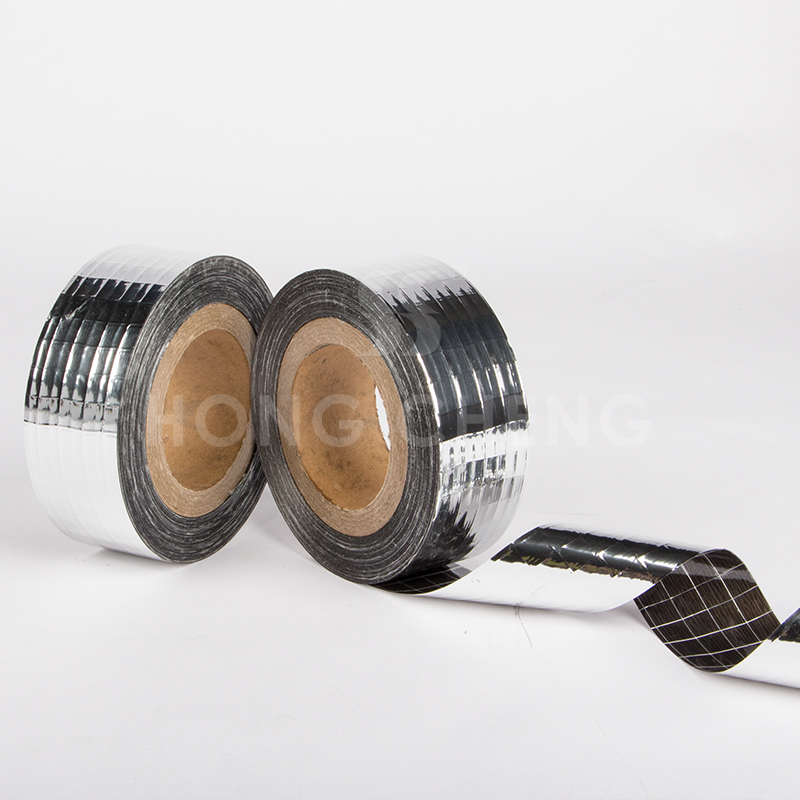
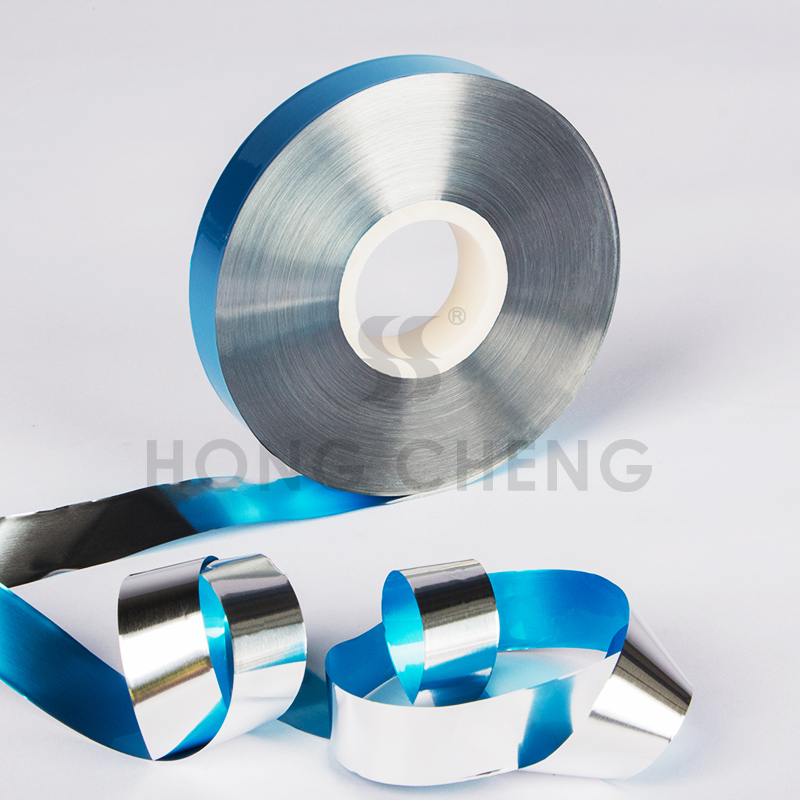
Composite tape is an important component of optical cables, and its materials and composite processes have multiple impacts on the process characteristics and quality of optical cables. The following is a specific introduction:
The influence of composite tape materials on the process characteristics and quality of optical cables
Metallic materials
Characteristics: Commonly used metal materials include aluminum, steel, etc. Metal composite tapes have good conductivity and thermal conductivity, which can effectively block external electromagnetic interference and improve the anti-interference performance of optical cables.
The impact on process characteristics: Metal composite tapes have high hardness and strength. In the manufacturing process of optical cables, suitable winding processes and equipment need to be used to ensure that the composite tapes can be tightly and uniformly wrapped around the cable core. For example, aluminum strips have relatively good flexibility and are relatively easy to wrap, but attention should be paid to preventing surface scratches; The strength of the steel strip is higher, but the winding difficulty is slightly greater, and the winding tension needs to be adjusted appropriately.
Impact on quality: Metal composite tapes can enhance the mechanical properties of optical cables, improve their compressive and tensile resistance, and protect the cable core from external damage. Meanwhile, good electromagnetic shielding performance can ensure stable transmission of signals within the optical cable, reducing signal attenuation and distortion. But if the corrosion resistance of the metal composite tape is poor, it is prone to rusting under external environmental conditions, thereby affecting the long-term performance and service life of the optical cable.
Plastic materials
Characteristics: Plastic materials such as polyester (PET) and polypropylene (PP) have good insulation properties, chemical corrosion resistance, and low cost. They also have a certain degree of flexibility, making them easy to process and wrap.
The impact on process characteristics: The melting point of plastic composite tape is relatively low. During the composite and wrapping process, precise temperature and pressure control are required to avoid material deformation or damage caused by high temperature, which affects the quality and wrapping effect of the composite tape. For example, PET composite tape is prone to shrinkage at high temperatures, so it is necessary to set heating and cooling process parameters reasonably during the production process.
Impact on quality: Plastic composite tape can provide good insulation protection for optical cables, preventing short circuits between cable cores. Its chemical corrosion resistance can resist the erosion of external acidic and alkaline chemicals, improving the stability of optical cables in harsh environments. However, the mechanical strength of plastic composite tapes is relatively low, and it may be necessary to improve their compressive and tensile properties by adding reinforcement materials or using multi-layer composite structures.
Fiber materials
Characteristics: Glass fiber, aramid fiber, etc. have the advantages of high strength, high modulus, high temperature resistance, corrosion resistance, etc. Fiber composite tape can significantly improve the mechanical properties and high temperature resistance of optical cables.
The impact on process characteristics: The processing difficulty of fiber composite tapes is relatively high, requiring special weaving or winding processes. When composite with other materials, it is necessary to ensure a strong bond between the fibers and other materials to fully utilize the reinforcing effect of the fibers. For example, during the weaving process of aramid fiber composite tape, it is necessary to control the weaving density and tension to ensure the uniformity and strength of the composite tape.
The impact on quality: Fiber composite tapes can greatly improve the tensile, impact, and bending resistance of optical cables, enabling them to adapt to various complex laying environments.Its high temperature resistance also helps ensure the normal operation of optical cables in high-temperature environments. However, the cost of fiber composite tapes is relatively high and may affect the flexibility of optical cables in some cases.
The influence of composite technology on the process characteristics and quality of optical cables
Extrusion composite process
Process features: Melt plastic is extruded through an extruder and evenly coated on the surface of metal or other materials to form a composite tape. This process can achieve continuous production with high production efficiency.
The impact on process characteristics: The extrusion composite process requires precise control of parameters such as extrusion temperature, pressure, and speed to ensure uniform thickness and strong adhesion of the plastic coating. Excessive or insufficient temperature can affect the flowability and bonding effect of plastics, and uneven pressure may lead to uneven surface of composite tapes.
The impact on quality: A good extrusion composite process can make the composite tape have good waterproof performance and weather resistance. The plastic coating can effectively isolate external moisture and oxygen, protecting the internal materials from corrosion. Meanwhile, uniform coating thickness can ensure stable performance of the composite tape and improve the overall quality of the optical cable. But if the process control is improper, defects such as coating bubbles and delamination may occur, affecting the performance and service life of the optical cable.
Adhesive composite process
Process features: Different materials of tapes are bonded together using adhesives to form composite tapes. This process can choose different adhesives and bonding methods to meet different performance requirements.
The impact on process characteristics: The key to bonding composite processes lies in the selection of adhesives and the control of bonding process parameters. The viscosity, curing temperature, and curing time of adhesives can all affect the bonding strength and performance of composite tapes. During the bonding process, it is necessary to ensure that the surface of the strip is clean and dry to ensure the bonding effect of the adhesive.
The impact on quality: The bonding composite process can make the composite tape have good flexibility and mechanical properties, and the degree of bonding strength between different materials directly affects the overall strength of the optical cable. If the adhesive selection is improper or the bonding process is not perfect, it may lead to delamination of the composite tape during use, reducing the performance and reliability of the optical cable.
Hot pressing composite process
Process features: Stacking strips of different materials together and fusing them together through heating and pressure to form a composite strip. This process can make the bonding of the composite tape tighter and improve the performance of the composite tape.
The impact on process characteristics: The hot pressing composite process requires precise control of parameters such as temperature, pressure, and time. Insufficient temperature and pressure can lead to insufficient material fusion, affecting the bonding strength of the composite tape; Excessive temperature or pressure may damage the performance of the material. In addition, the hot pressing composite process has high requirements for equipment and requires a good heating and pressurization system.
The impact on quality: The hot pressing composite process can make the composite tape have high strength and stability, and the interface bonding between different materials is good, which can effectively transmit stress. This composite process can also improve the wear resistance and aging resistance of the composite tape, and extend the service life of the optical cable. However, the cost of hot pressing composite technology is relatively high, and the requirements for process control are strict. Once there is a process deviation, it may lead to a decrease in the quality of the composite tape
What are the excellent properties of building insulation materials in industrial applications.
What is the rise and fall of aluminum prices today? What impact does it have on our aluminum-plastic laminating film industry?