What are the excellent properties of building insulation materials in industrial applications.
2024-12-27
Building insulation materials have the following excellent properties in industrial applications:
Thermal insulation performance
Low thermal conductivity: it can effectively prevent heat transfer. For example, the thermal conductivity of polyurethane foam is as low as 0.024W/(m ・ K), which can significantly reduce the loss or transmission of heat from industrial equipment, pipes and building envelope, and reduce energy consumption.
High thermal resistance: The higher the thermal resistance of a material, the better its insulation performance. Rock wool board has high thermal resistance, which can effectively maintain stable indoor temperature and reduce the operating time and energy consumption of temperature control equipment such as air conditioning when used on the exterior walls of industrial buildings.
Fire resistance performance
Non combustible or difficult to ignite: Many industrial sites have high requirements for fire prevention, and inorganic insulation materials such as rock wool and glass wool belong to non combustible materials. They do not burn when exposed to fire and can effectively prevent the spread of fire, buying time for personnel evacuation and firefighting rescue.
Low smoke and non-toxic: high-quality building insulation materials produce less and non-toxic smoke when burning, which will not cause harm to human body and will not affect the rescue work of firefighters, such as some flame retardant polystyrene foams that meet national standards.
Waterproof and moisture-proof performance
Low water absorption: it can prevent the decline of thermal insulation performance caused by water absorption, such as the extremely low water absorption of extruded polystyrene foam (XPS), which can effectively resist water intrusion and keep the thermal insulation effect stable.
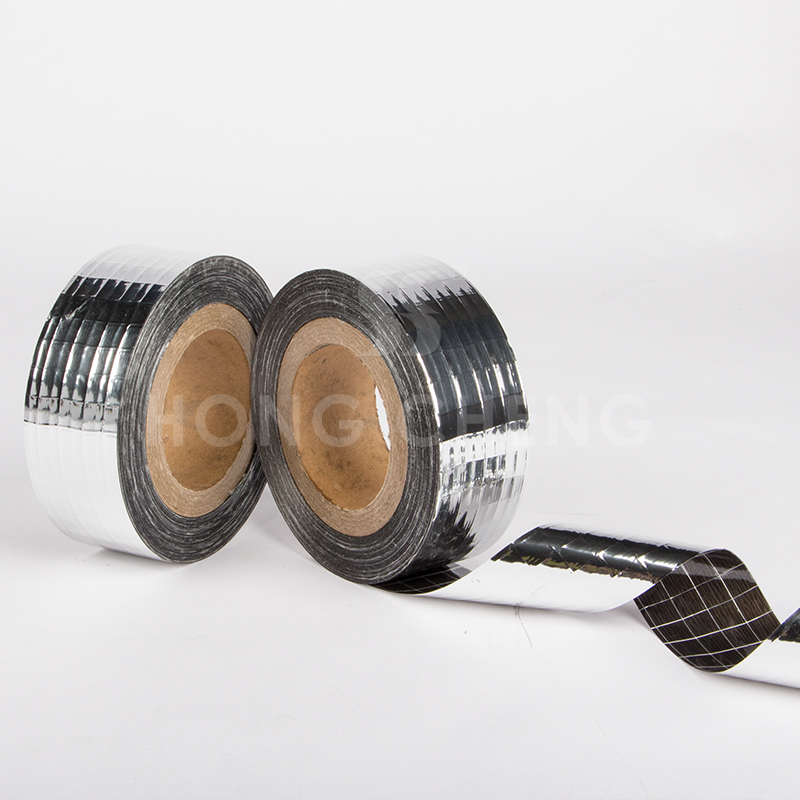
Good sealing: Some insulation materials have a dense protective layer on their surface, which can prevent moisture from penetrating. For example, some insulation materials with aluminum foil veneers not only reflect heat but also have waterproof and moisture-proof effects.
Corrosion resistance performance
Chemical corrosion resistance: In industrial environments with corrosive media such as chemical engineering, certain insulation materials, such as composite materials with special resin matrices, can resist the erosion of chemical substances such as acids, alkalis, and salts, extending their service life.
Anti atmospheric corrosion: Even in outdoor industrial environments, thermal insulation materials can remain stable in the face of natural conditions such as wind, sun, and rain, and are not easily corroded by moisture, oxygen, pollutants, and other substances in the atmosphere, such as glass wool that has undergone anti-corrosion treatment.
Anti UV aging performance
UV absorption and reflection: By adding UV absorbers, light stabilizers, etc., materials can absorb or reflect UV radiation, reducing damage to the molecular structure of the material. For example, some insulation materials with special coatings on the surface can effectively resist UV aging.
Long term performance stability: Under long-term ultraviolet irradiation, the physical and thermal insulation properties of the material remain stable, and are not prone to brittleness, cracking, or detachment, ensuring the long-lasting insulation effect of industrial facilities, such as high-quality polyurethane insulation materials.
Acid alkali and salt spray resistance performance
Good chemical stability: When in contact with acidic or alkaline solutions or in salt spray environments, the chemical structure of the material is stable and not easily destroyed by chemical reactions. For example, some inorganic fiber insulation materials have good resistance to acid and alkali.
Adapting to special industrial environments: For industrial plants in coastal areas or factories with acid, alkali, and salt treatment processes, acid alkali, and salt spray resistant insulation materials can ensure normal use in harsh chemical environments, such as insulation panels treated with salt spray resistant coatings.
mechanical strength
High compressive strength: It can withstand a certain pressure, and will not be deformed or damaged due to its own weight, equipment weight or external force when it is used in the roof, ground and other parts of industrial buildings. For example, rigid polyurethane foam has a high compressive strength.
Good tensile strength: During installation or when subjected to external forces, the material is not easily broken, ensuring the convenience of construction and the safety of use. For example, some fiber-reinforced insulation materials have good tensile strength.
Environmental performance
Non toxic and harmless: It does not release harmful gases such as formaldehyde and benzene, and is not harmful to human health and the environment. For example, insulation materials made from natural plant fibers meet environmental requirements and can be used in industrial places with high environmental requirements such as food processing.
Recyclability: some thermal insulation materials can be recycled and reprocessed after the end of their service life to reduce the impact of waste on the environment. For example, some polystyrene foams can be recycled into new plastic products.
Can aluminum plastic composite foil be applied to luggage lining?
The influence of materials and composite processes used in composite tapes on the process characteristics and quality of optical cables