What's the difference between aluminum foil's dark side and glossy side?
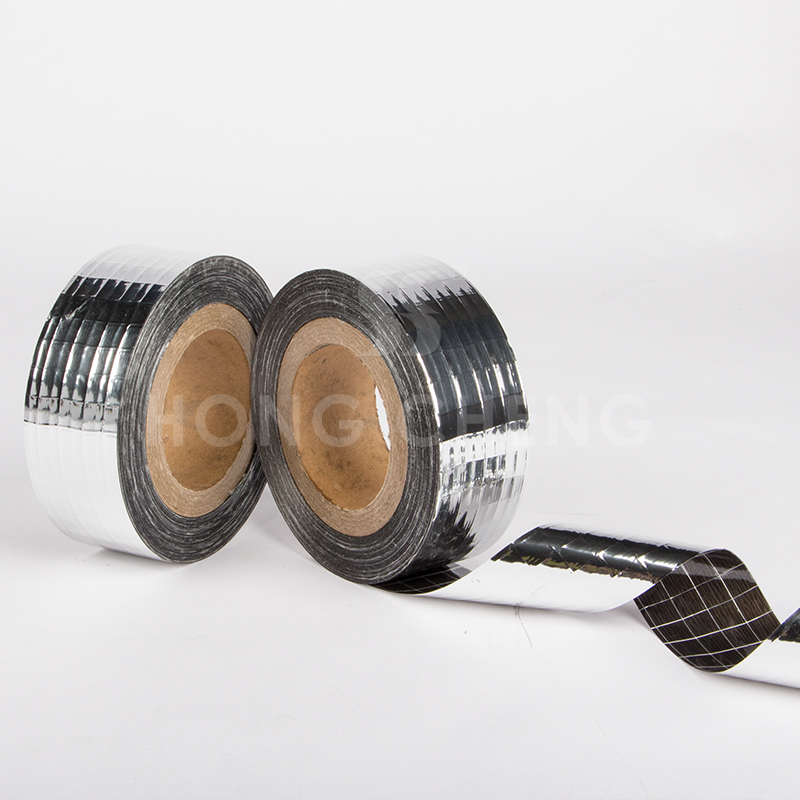
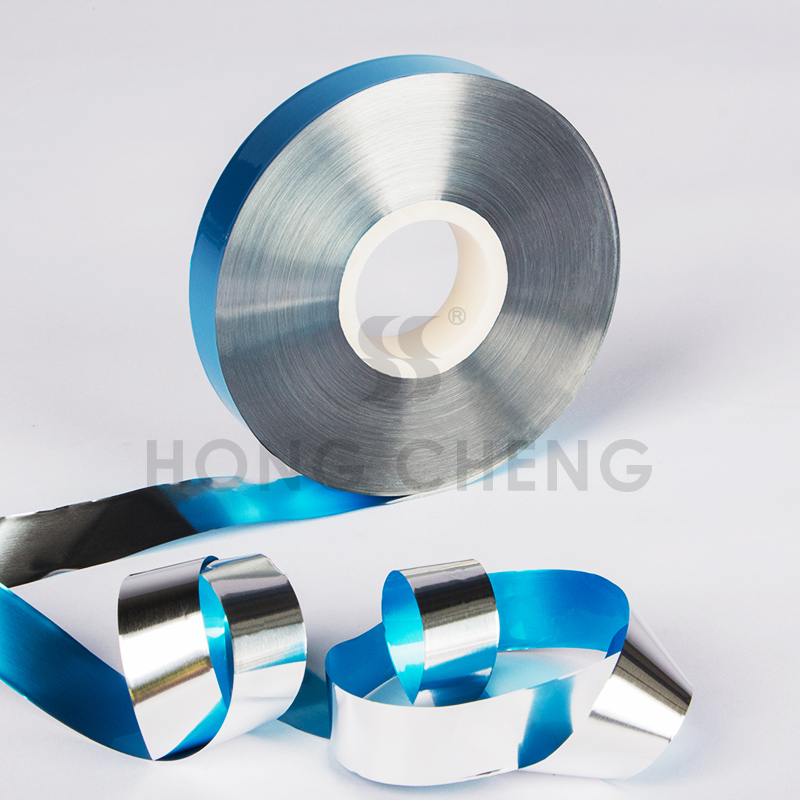
Aluminum foil, as a common material, is widely used in many fields such as food packaging and kitchen cooking. Careful people will find that aluminum foil has a matte side and a shiny side. Is there an essential difference between the two? In fact, there is no essential difference between them, and the difference is mainly reflected in the appearance. Next, we will discuss in detail from the aspects of production process, functions and uses.
Production Process: The Key to Creating Appearance Differences
The production of aluminum foil is a complex process, in which the rolling process plays a decisive role, directly affecting the appearance difference between the two sides of the aluminum foil. During the rolling process, the aluminum foil needs to go through multiple rolling procedures to reach the required thickness. When the aluminum foil enters the rolling mill, one side of it will directly contact the smooth surface of the rolling mill rolls. These rolls are precision - machined and have extremely high surface smoothness. During the rolling process, the rolls will exert great pressure on this side of the aluminum foil, flattening the metal grains on the surface of the aluminum foil, thus forming a smooth and shiny surface, which is the shiny side we see.
The other side of the aluminum foil, during the rolling process, contacts with the other side of the aluminum foil itself or other parts of the production equipment. Because the surface smoothness of these contact parts is not as good as that of the rolls, they cannot exert uniform and strong pressure on the surface of the aluminum foil like the rolls. As a result, the arrangement of metal grains on this side of the aluminum foil is relatively irregular, and the surface looks relatively dim, showing a matte state.
It is worth noting that this difference in rolling methods only leads to the difference in the appearance of the two sides of the aluminum foil, and does not change the metal composition and physical and chemical properties of the aluminum foil itself. Aluminum foil still maintains its inherent characteristics such as good ductility, thermal conductivity and barrier properties.
Functions and Uses: Practical Value with No Difference
In most cases, either side of the aluminum foil can be used in various application scenarios. There is no difference between the two sides in terms of basic functions such as heat resistance, moisture resistance and barrier performance.
Take food packaging as an example. Whether the matte side or the shiny side is in contact with food, it can play a good protective role. Aluminum foil can effectively block air, moisture and light, prevent food from oxidation, moisture and deterioration, and extend the shelf life of food. In this process, it makes no essential difference to the effect of protecting food whether the aluminum foil is facing inward or outward.
In kitchen cooking, aluminum foil also plays an important role. For example, when wrapping food with aluminum foil for roasting or baking, whether using the matte side or the shiny side, it can transfer heat evenly, making the food heated evenly and achieving the ideal cooking effect. The heat resistance of aluminum foil enables it to withstand high - temperature environments without deformation or release of harmful substances due to excessive temperature.
In the industrial field, aluminum foil also has a wide range of applications. For example, in cable packaging, aluminum foil can play the role of shielding signals and preventing moisture. No matter which side is used, it can meet the requirements of industrial production. In the construction field, aluminum foil is often used in the production of thermal insulation materials. Its good barrier performance can effectively reduce the transfer of heat, thus achieving the effect of thermal insulation, and the realization of this function has nothing to do with which side of the aluminum foil is facing outward.
However, in some cases where appearance is important, the shiny side is usually preferred to be placed on the outside to make the appearance more attractive. For example, in some gift packaging, when wrapping with aluminum foil, putting the shiny side outward can make the packaging look more bright and exquisite, improving the overall grade of the gift. On the outer packaging of some foods, in order to attract consumers' attention, the shiny side of the aluminum foil will also be displayed on the outside.
Summary
To sum up, there is no essential difference between the matte side and the shiny side of aluminum foil. Their differences are mainly caused by different rolling methods in the production process, and are only reflected in the appearance. In most practical application scenarios, both sides show consistent effects in terms of basic functions such as heat resistance, moisture resistance and barrier performance, and have no significant impact on use.
Therefore, when using aluminum foil, we do not need to be too tangled about choosing which side, just decide according to the specific use needs and scenarios. If you pay attention to beauty, you can put the shiny side on the outside; if it is just to achieve basic functions, either side can meet the requirements. Aluminum foil, such a seemingly simple material, contains so many little knowledge, which makes us have a deeper understanding of it.
What's the difference between hard texture PVC and soft texture PVC?
What types of aluminum foil are there?