Why Aluminum Foil Waterproof Membrane Is Becoming the Standard in Construction Waterproofing
In modern construction waterproofing projects, material selection directly determines the reliability and service life of the waterproofing layer. In recent years, aluminum foil waterproof membrane has emerged as a preferred choice across industrial facilities, commercial buildings, and residential projects. What makes this material stand out among dozens of waterproofing options? This article breaks down the key characteristics from a procurement perspective.
Composite Structure: Combining Waterproofing and Reflective Performance
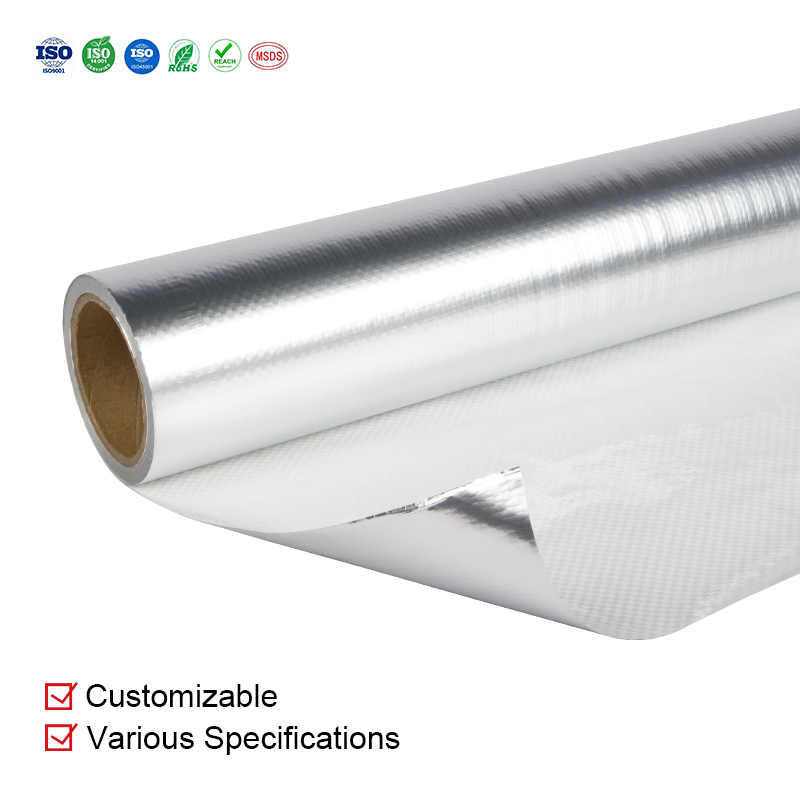
Aluminum foil waterproof membrane typically consists of an aluminum foil layer bonded to a PE (polyethylene) coating layer through thermal lamination. The aluminum foil layer provides exceptional moisture barrier properties with an extremely low water vapor transmission rate. The PE coating layer delivers strong heat sealability and excellent adhesion compatibility with various substrates, enabling continuous sealed joints.
Beyond waterproofing, the aluminum foil layer adds a thermal radiation reflection capability. During hot summers, it reflects most infrared radiation back, reducing heat transfer indoors. In winter, it helps retain indoor heat by blocking thermal escape. This dual functionality makes aluminum foil waterproof membrane a practical choice for projects that need both water resistance and energy efficiency.
Specification Range: Customization Is the Core Competitive Advantage
Aluminum foil waterproof membrane is not a one-size-fits-all product. Different engineering projects have varying requirements for thickness, width, roll length, and aluminum foil surface treatment. Common specification ranges include:
Thickness: PE coating typically ranges from 15 gsm to 50 gsm, while aluminum foil base material ranges from 7 microns to 30 microns. The final composite thickness varies depending on the intended application.
Width: Standard roll widths usually fall between 1000mm and 1500mm, with custom slitting available to match specific installation layouts.
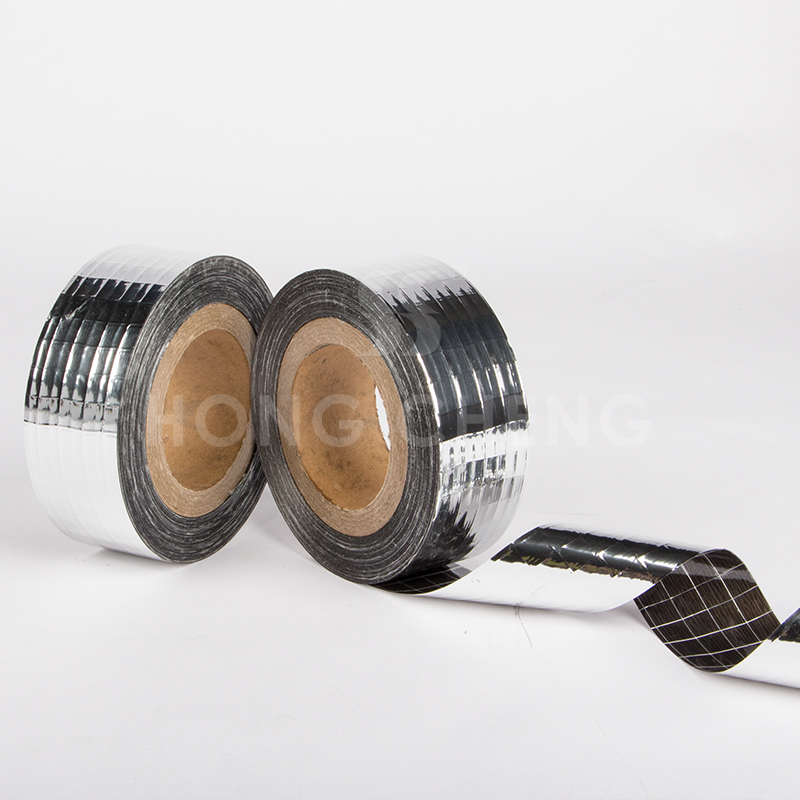
Surface Treatment: Two main options exist — smooth surface foil and embossed foil. Embossed foil features a micro-textured surface that increases bonding area with waterproof coatings or adhesive layers, making it particularly effective in metal roof waterproofing applications.
For specialized projects, functional layers can be added on top of the standard composite: non-woven fabric for enhanced tear resistance, or flame-retardant additives in the PE layer for improved fire ratings. Customized production has become a core service capability among leading suppliers.
Application Scenarios: Where Aluminum Foil Waterproof Membrane Excels
Metal Roof Waterproofing is the most prominent application. Steel structural factory roofs and profiled metal sheet roofs experience extreme temperature fluctuations, causing significant thermal expansion and contraction. Standard waterproof coatings tend to crack under these conditions. Aluminum foil waterproof membrane's flexibility allows it to move with the metal panels without delaminating, making it a reliable solution for both new construction and retrofits of metal roof systems.
Below-Grade Moisture Barriers represent another critical use case. Basement walls and floor slabs are constantly exposed to moist soil, and conventional waterproof membranes can fail under hydrostatic pressure. Thanks to its superior moisture barrier performance, aluminum foil waterproof membrane is frequently specified for basement moisture barriers and condensation control layers — especially in southern China where rainfall is frequent and humidity is high.
Penetration Sealing at pipe-through-wall joints is also a common application. Gaps around pipes penetrating structural walls are high-risk leak points. Traditional methods using cementitious grout offer limited durability. Aluminum foil waterproof membrane can be cut to shape, wrapped around pipe penetrations, and overlapped with the main waterproofing layer to create a complete sealed perimeter.
Procurement Tips: Three Key Dimensions to Evaluate
First, identify the substrate material and installation method. Metal substrates call for embossed surface products, while concrete substrates work well with smooth surface options. If hot-air welding is the chosen seaming method, confirm that the PE layer melt temperature is compatible with the equipment settings.
Second, verify aluminum foil purity and lamination quality. Impurities in the foil layer compromise moisture barrier performance and reduce thermal reflectivity efficiency. Reputable manufacturers provide aluminum foil material test reports — request these from potential suppliers.
Third, assess the cost-efficiency of width and length slit options. Oversized rolls drive up shipping costs; overly narrow slitting increases seaming labor. Discuss the actual installation layout with the supplier upfront to optimize the slitting plan and minimize material waste.
Aluminum foil waterproof membrane has established itself as a mature and reliable solution in the construction waterproofing market. With tightening building energy standards and evolving waterproofing code requirements, demand for this material category is projected to continue growing. For procurement professionals, understanding composite structure, interpreting specification parameters, and evaluating supplier capabilities are foundational skills for sourcing the right product at the right price.
Hangzhou Hongcheng Technology Co., Ltd. Tel/WeChat: +86 13758223270 Website: www.techfoil.com
HVAC Market Recovery Drives Steady Demand for AL/PE Flexible Duct Outer Jackets in 2026
FS Structure Aluminum Foil Scrim Laminate: A Lightweight Facing Solution for HVAC Duct Applications