How Automotive Wiring Harness Manufacturers Choose Aluminum Mylar Tape by Application Scene
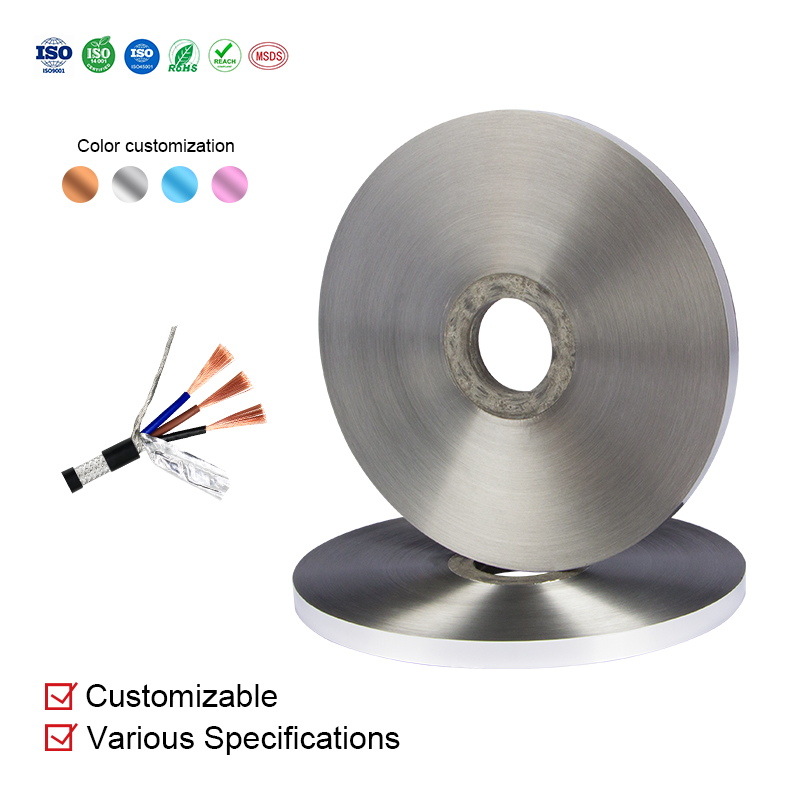
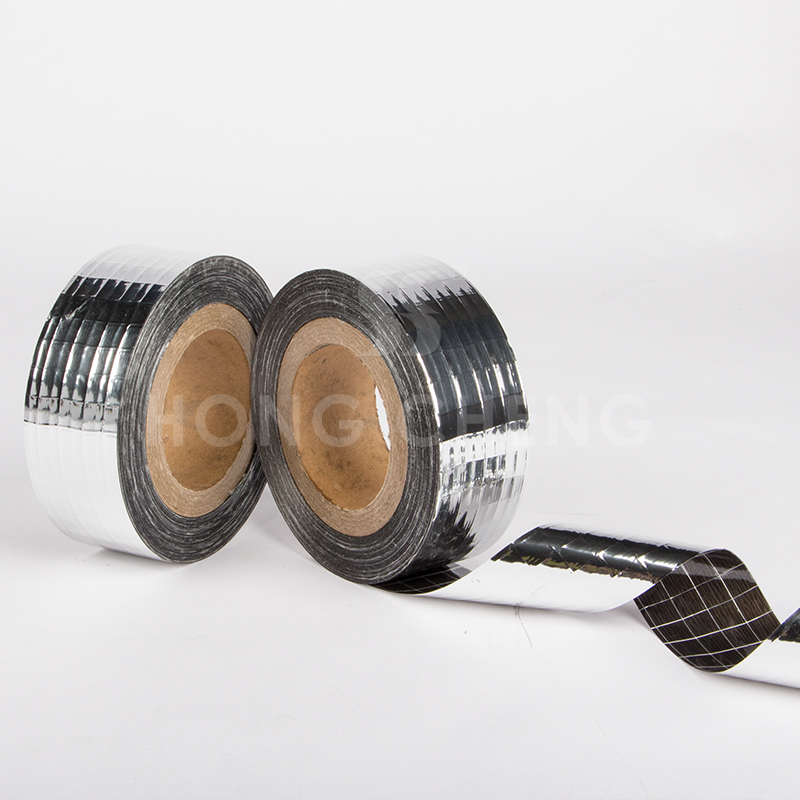
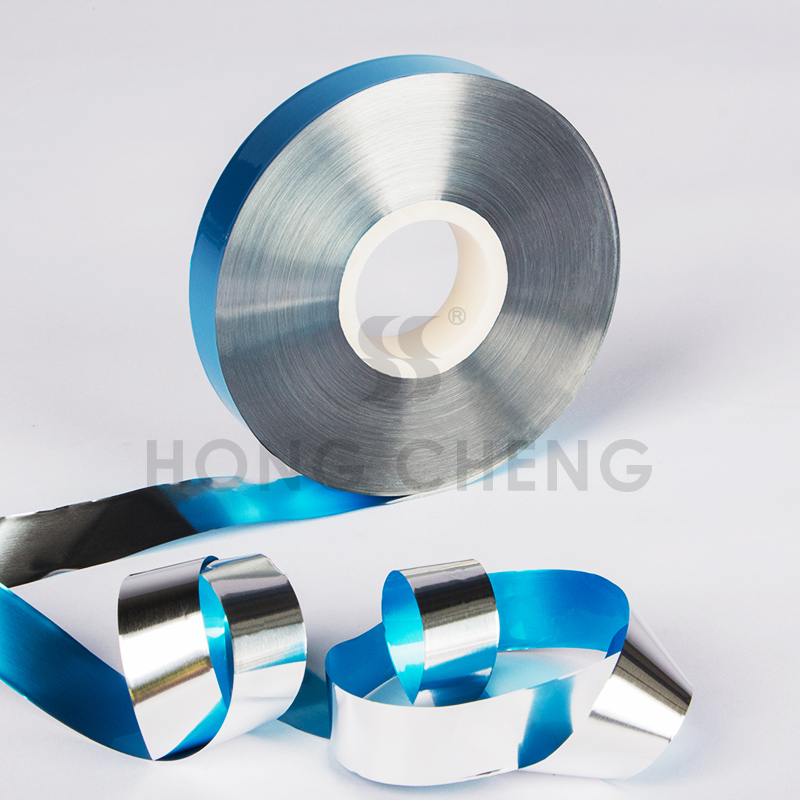
The automotive wiring harness is often called the "nervous system" of a vehicle. A single harness may contain dozens or even hundreds of conductors that must perform reliably for more than a decade under engine-bay heat, chassis vibration, and repeated door flexing. The shielding tape inside a harness looks like a minor accessory, yet it is the key to suppressing electromagnetic interference and maintaining signal integrity. Aluminum mylar tape, also known as AL/PET composite shielding tape, has become a standard choice for passenger-car, commercial-vehicle, and new-energy vehicle harness makers because of its light weight, high shielding efficiency, and compatibility with harness processing equipment.
For harness purchasing managers, thicker aluminum is not always better. The right tape must match the vehicle type and application scene. Different vehicles impose very different requirements on temperature resistance, flexibility, flame retardancy, and shielding effectiveness. Choosing the wrong structure can either inflate cost or cause EMC test failures after installation. Below are five typical application scenes and the corresponding material selection points.
1. Passenger-Car Engine Bay: Heat Resistance First
The engine bay is the hottest and most electromagnetically complex area of a vehicle. In conventional internal-combustion models, local temperatures can exceed 125°C, and turbocharged engines may approach 150°C. For aluminum mylar tape used here, the first thing to check is the PET substrate's temperature rating. Standard PET is rated for around 105°C long-term service, while high-temperature grades reach 130°C–150°C. Aluminum layer thickness also matters. Common values range from 0.02 mm to 0.035 mm. Thicker aluminum improves shielding but reduces flexibility, making tight-space wrapping difficult. For main engine-bay harnesses, a 0.025 mm–0.03 mm aluminum layer on high-temperature PET offers a good balance.
2. New-Energy Powertrain: Shielding and Insulation Balance Under High Voltage
Battery packs, motor controllers, and inverters in new-energy vehicles typically operate at 400 V–800 V, with stronger transient interference pulses. Aluminum mylar tape in these zones must not only block external interference but also prevent high-voltage cables from radiating into other vehicle systems. In addition to standard AL/PET structures, some harness makers use AL/PET/PE three-layer composites, where the outer PE layer improves electrical insulation and abrasion resistance. When selecting materials, pay attention to aluminum-layer resistance uniformity; localized high resistance can cause shield heating. Peel strength between aluminum and PET must also be stable, because separation under long-term vibration sharply reduces shielding performance.
3. Commercial-Vehicle Chassis: Mechanical Protection Priority
Commercial vehicles have long bodies and long cable runs. Chassis harnesses are exposed to stone impact, muddy water, and continuous vibration. For these scenes, thin aluminum shielding tape is not recommended. A 0.03 mm–0.04 mm aluminum layer combined with braided mesh or corrugated tubing is more suitable. The aluminum mylar tape here mainly provides electromagnetic shielding and auxiliary moisture protection, while mechanical damage resistance relies more on the outer jacket. Harness makers should ask suppliers for pinhole-rate data; excessive pinholes break shield continuity, so chassis harnesses should use tape meeting industry pinhole limits.
4. Door and Seat Harnesses: Flexibility Determines Processing Efficiency
Door harnesses bend every time the door opens and closes, and seat harnesses move with slide rails. These locations are not suitable for stiff, thick-aluminum shielding tape, because repeated flexing can crack the aluminum layer. A 0.02 mm thin-aluminum tape on low-stiffness PET is preferable. Slit width must also match harness diameter: too wide increases bundle thickness, while too narrow leaves gaps. During sampling, harness makers can run flex tests to check whether the aluminum layer shows obvious cracks or delamination.
5. Sensor and High-Frequency Signal Lines: Quantify Shielding Effectiveness
ADAS cameras, radar modules, and automotive Ethernet cables place higher demands on shielding effectiveness. Such harnesses often use double-layer aluminum mylar tape or individually wrapped twisted pairs. Selection should not rely on experience alone; look at surface resistance, shielding attenuation values, and frequency-response curves provided by the supplier. Harness makers can request small samples and measure S-parameters or near-end crosstalk on their own cables, confirming compliance with OEM EMC requirements before placing bulk orders.
Three Verification Steps Beyond Material Selection
First, check composite adhesion. Peel strength between the aluminum layer and PET directly affects service life; a simple peel test can reveal whether the aluminum separates in large flakes. Second, check slitting quality. Automotive harness tape is usually supplied in narrow strips, and excessive edge burrs can disrupt automatic wrapping machines or even scratch insulation. Third, check batch-to-batch consistency. Harness makers are advised to qualify one or two stable suppliers and require each batch to come with a material certificate and test data for pinhole rate and peel strength, avoiding weldability or shielding fluctuations between batches.
The application scope of aluminum mylar tape in automotive wiring harnesses continues to expand, covering conventional fuel vehicles, new-energy vehicles, low-voltage signal lines, and high-voltage powertrain cables. Each harness type has different requirements. By evaluating vehicle scene, operating temperature, mechanical environment, and shielding metrics together, harness buyers are more likely to select a stable, reliable material than by comparing prices alone.
+86 13758223270、Email: wendy@hcdxcl.com.cn
VMPET Duct Facing Procurement: 5 Contract Traps to Avoid in Peak Export Season
How to Choose Foil Laminate for Different Tea Packaging Formats