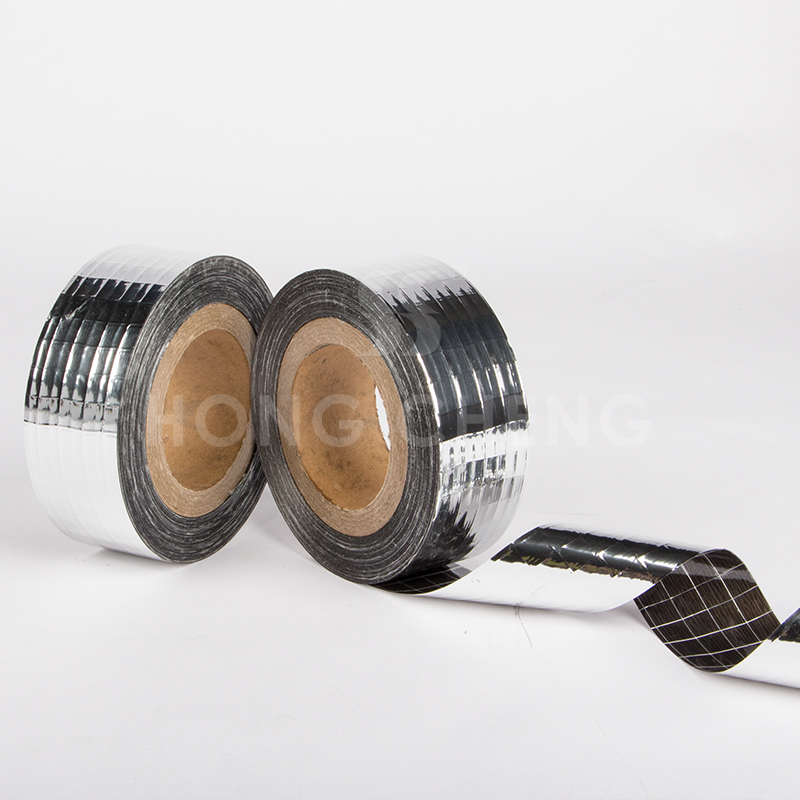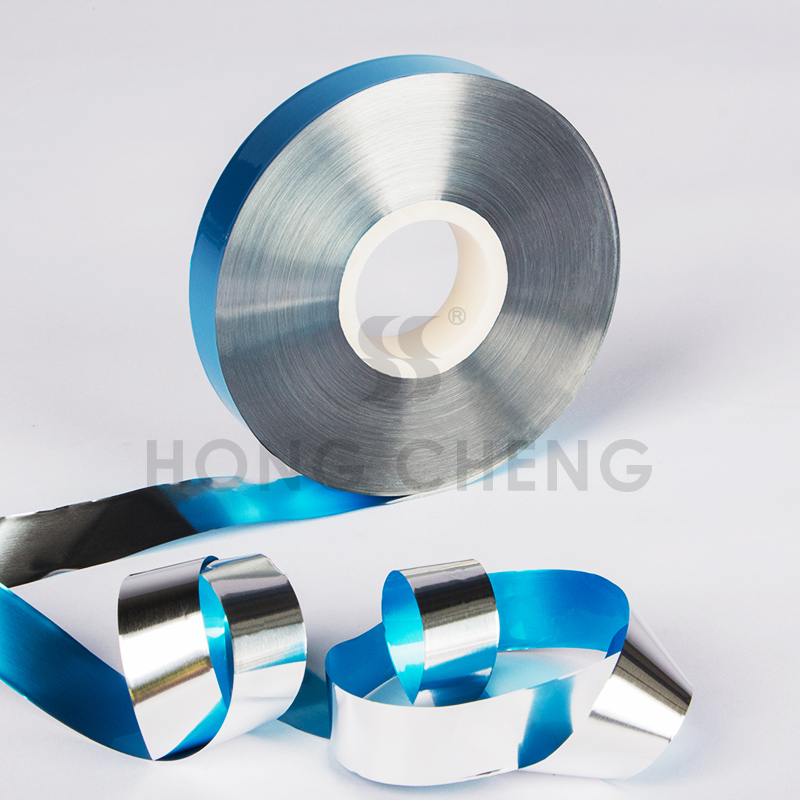
Characteristics of Soundproof Damper foil
The main feature of Soundproof damper foil is its excellent sound insulation and shock absorption performance. This material is widely used in automotive, construction, and other fields that require noise reduction and shock absorption to provide a quieter and more comfortable environment.
Composed of multi-layer composite structures, Soundproof damper foil typically integrates TPE (Thermoplastic Elastomer) as the core material, combined with aluminum foil or other high-density layers. This unique structure enables it to block airborne noise through the dense layer while absorbing structural vibrations via the elastic TPE component, forming a dual defense against noise. The aluminum foil layer not only enhances the material's rigidity but also reflects sound waves, further reducing noise penetration. Such a design allows the material to achieve a sound insulation effect of up to 25-35 decibels in laboratory tests, effectively muffling low-frequency noises like engine rumble and high-frequency sounds such as metal friction.
The Soundproof damper foil achieves the following specific functions through its special material and structural design:
Sound insulation effect: It can effectively reduce noise transmission, especially in areas such as car doors, reducing squeaking sounds and providing a quieter riding experience. In automotive applications, when installed between door panels, it blocks the transmission of wind noise and road noise into the cabin. For example, in SUV models prone to wind noise, using this foil can reduce interior noise by 3-5 decibels at high speeds. In building ventilation systems, it wraps around air ducts to minimize the spread of airflow noise, making office spaces or residential areas more peaceful.
Shock absorption effect: Absorbs impact and vibration, reduces vibration and noise caused by components such as door locks, and provides a smoother user experience. When applied to automotive chassis, it dampens vibrations from road irregularities, reducing the transfer of mechanical noise to the interior. In construction, it is laid under floorboards to absorb footsteps and furniture movement vibrations, preventing noise from propagating between floors. Tests show that it can reduce vibration transmission efficiency by 40-60% in typical scenarios.
Durability: Made of high-quality materials such as TPE, ensuring the durability and long-term performance of the product. It exhibits excellent resistance to temperature extremes, maintaining stability in environments ranging from -40°C to 120°C, which is crucial for automotive engine bays or building exterior walls exposed to harsh weather. Additionally, it is resistant to oil, water, and UV radiation, with a service life of up to 8-10 years without significant degradation in performance, outperforming traditional rubber-based soundproof materials.
When selecting and using Soundproof damper foil, the following points should be noted:
Quality standards: Ensure that the product has passed ISO9001 and other quality certifications, guaranteeing its reliability and performance. Reputable manufacturers also provide test reports on sound transmission loss (STL) and vibration reduction coefficient (VRC) to verify actual performance. For automotive-grade products, compliance with OEM standards such as BMW GS 97005 or Ford WSS-M99P1111-A is essential to avoid compatibility issues.
Scope of application: Select suitable products based on specific vehicle models or application scenarios to ensure good adaptability and effectiveness. Thicker variants (2-3mm) are ideal for heavy-duty vehicles requiring enhanced vibration damping, while thinner versions (0.5-1mm) are suitable for precision components like instrument panels. In construction, self-adhesive types simplify installation on vertical surfaces, while flame-retardant grades (meeting UL94 V-0) are mandatory for public buildings.
Installation techniques also affect performance. The surface must be clean and dry before application to ensure firm adhesion; any dust or oil can cause peeling over time. For curved surfaces like car fenders, pre-heating the foil to 40-50°C improves conformability. Post-installation, applying uniform pressure with a roller helps eliminate air bubbles, ensuring full contact between the foil and the substrate.
In recent years, with the growing emphasis on noise pollution control, Soundproof damper foil has expanded into new fields such as high-speed rail, aerospace, and home appliances. In train carriages, it reduces wheel-rail noise transmission; in refrigerators, it minimizes compressor vibration noise. Its eco-friendly properties, being free of heavy metals and volatile organic compounds (VOCs), align with global sustainability trends, making it a preferred choice in green building certifications like LEED.
In short, Soundproof damper foil plays an important role in improving the comfort and quality of living and working environments with its excellent sound insulation and shock absorption performance. As technology advances, ongoing innovations in material formulas—such as adding nano-fillers to enhance damping efficiency—will further expand its application potential across industries.
Woven fabric printing with PE extruding
Three layers laminated foil for package PET+AL+HDPE