Color Differences in Transparent PET Polyester Films and Their Impact on Usage
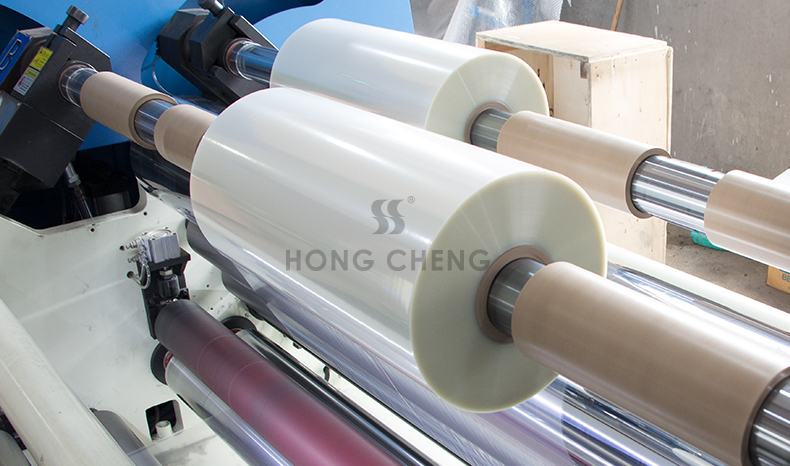
Transparent PET polyester film, as a high-performance material, plays a crucial role in electronic displays, food packaging, photovoltaic encapsulation, and other fields. However, color differences occurring during production not only affect product appearance but may also hide potential performance hazards. This phenomenon of color variation arises from complex interactions between material properties and process conditions, with its impact on usage varying significantly across different application scenarios.
Raw material purity is a core factor causing color differences. If terephthalic acid (PTA), the main raw material for PET, contains more than 0.02% 4-carboxybenzaldehyde, conjugated double bonds will form during polymerization, giving the film a pale yellow hue. Fluctuations in residual diethylene glycol content in ethylene glycol (EG) exceeding 0.5% directly reduce film transparency. Additionally, metal ions such as iron and copper exceeding 5ppm in raw materials accelerate oxidation reactions, leading to localized discoloration. These color differences caused by raw materials often accompany molecular structure abnormalities, directly affecting the film's basic properties.
Minor fluctuations in production processes can also lead to significant color variations. In the melt extrusion stage, if temperature control accuracy exceeds ±2℃, color differences occur due to varying degrees of polymer degradation: excessive temperatures (over 300℃) cause molecular chain breakage forming colored groups, while low temperatures result in crystal points due to poor plasticization. During stretching, when longitudinal and transverse stretch ratio deviations exceed 5%, differences in molecular orientation alter light refraction paths, creating light and dark streaks. These process-induced color differences may not change the material's essence but disrupt optical uniformity.
In practical applications, the impact of color differences varies by field. In food packaging, yellowing films may indicate oxidative degradation, reducing barrier properties and affecting food shelf life. Cloudy color variations in transparent packaging diminish product display quality, influencing consumer purchasing decisions. The electronics industry is particularly sensitive to color differences—PET films used in display backlight modules with optical inhomogeneity can cause brightness attenuation or color shift. As insulating substrates, color differences from process defects may accompany reduced local insulation strength, increasing short-circuit risks.
The photovoltaic encapsulation sector links PET film color requirements directly to durability. Yellowed films typically have insufficient UV resistance, accelerating EVA film degradation during long-term use and reducing module efficiency. White spots from crystallinity differences cause localized light transmittance reduction, creating hot spot effects in modules. In medical packaging, color variations may indicate substandard material purity, risking contaminant leaching onto medical devices.
Notably, not all color differences signify performance flaws. Some functional PET films use additives to regulate color—for example, blue masterbatches counteract natural yellowing. Such intentionally designed color variations actually enhance product stability. The key to distinguishing normal from abnormal color differences lies in combining material certification reports with performance test data rather than relying solely on visual judgment.
Controlling color differences requires a full industrial chain approach: raw material purification with ppm-level impurity control, additive proportioning errors within 0.05%, production temperature fluctuations within ±1℃, and constant temperature-humidity storage environments. Only through such multi-dimensional management can PET films achieve consistent appearance while maintaining stable and reliable performance.
Suitable Composite Aluminum Foil for Car Sunshades
Introduction to Air Duct Aluminum Foil