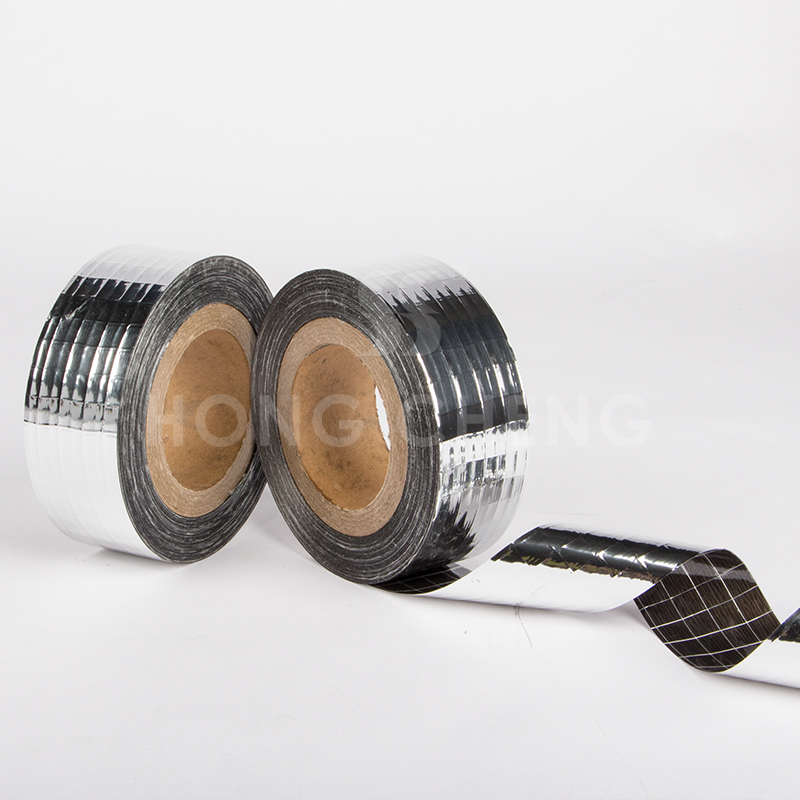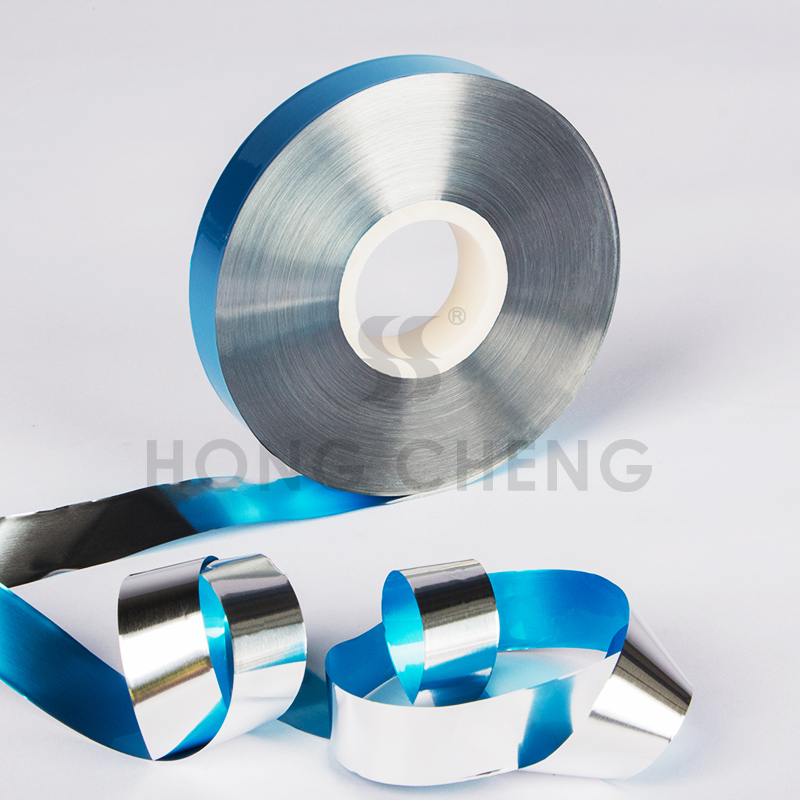
High-quality Aluminum Foil Ensures Long - lasting Insulation of Bituminous Membranes
In the construction industry, waterproofing and insulation are two core elements that ensure the safety and comfort of buildings. Waterproof bituminous membranes, being the mainstay of waterproofing projects for roofs, basements, etc., their performance directly affects the waterproof quality and service life of buildings. Composite insulation aluminum foil, as a crucial component of waterproof bituminous membranes, plays a decisive role in the overall performance of the membranes. Whether it's waterproof performance, insulation effectiveness, durability, or construction convenience, the quality of aluminum foil plays a key role.
Waterproof Performance: A Solid Defense Against Leakage
High - quality composite insulation aluminum foil exhibits excellent compactness and water resistance. Aluminum foil itself has certain anti - penetration capabilities, effectively preventing moisture from infiltrating into the interior of the membrane. Statistics show that for waterproof bituminous membranes using high - quality aluminum foil, the roof leakage rate can be reduced to less than 5%. In contrast, for membranes using low - quality aluminum foil, the leakage rate is as high as over 20%. During heavy rain or in humid environments, high - quality aluminum foil can build an impregnable barrier between the asphalt layer and external moisture, preventing moisture from damaging the asphalt structure and thus avoiding leakage of the membrane. Conversely, low - quality aluminum foil may have defects such as pinholes and cracks, allowing moisture to penetrate, rendering the waterproof performance of the membrane ineffective. This causes leakage inside the building, not only affecting the safety of the building structure but also greatly disturbing the daily lives of residents.
Insulation Performance: An Effective Assistant in Regulating Indoor Temperature
Insulation performance is an important indicator for evaluating waterproof bituminous membranes, and composite insulation aluminum foil plays a crucial role in this regard. High - quality aluminum foil has a high reflectivity, capable of reflecting solar radiant heat and reducing the transfer of heat into the building. In hot summers, using waterproof bituminous membranes with high - quality aluminum foil can lower the indoor temperature by 3 - 5°C, effectively reducing the load on the air - conditioning system and achieving energy conservation and emission reduction. At the same time, the low thermal conductivity of aluminum foil helps prevent the loss of indoor heat, keeping the interior warm in cold winters. However, if the quality of the aluminum foil is substandard, its reflection and insulation effects will be severely compromised, failing to provide good insulation for the building, making it difficult to maintain a comfortable indoor temperature.
Durability: A Guarantee for Extending the Service Life of Membranes
The quality of composite insulation aluminum foil also directly affects the durability of waterproof bituminous membranes. High - quality aluminum foil has strong weather resistance and corrosion resistance, enabling it to withstand the erosion of natural factors such as ultraviolet rays and acid rain, thereby extending the service life of the membranes. Relevant research shows that waterproof bituminous membranes using high - quality aluminum foil can have a service life of more than 20 years, while those using low - quality aluminum foil may only last 5 - 10 years. During long - term outdoor use, high - quality aluminum foil can protect the asphalt layer from external damage and maintain the stability of the physical properties of the membrane. In contrast, low - quality aluminum foil is prone to corrosion, accelerating the aging of the membrane and shortening its service life, thus increasing the maintenance costs of the building.
Construction Convenience: The Key to Improving Construction Efficiency
During the construction process, high - quality composite insulation aluminum foil has good flexibility and strength, facilitating the paving and operation of the membranes. Construction workers can easily lay the membranes on various complex base surfaces, improving construction efficiency and ensuring construction quality. According to feedback from construction workers, the construction speed can be increased by more than 20% when using membranes with high - quality aluminum foil. In contrast, low - quality aluminum foil may be too hard or too brittle, prone to cracking and wrinkling during construction, affecting the paving effect of the membranes and even leading to rework, increasing construction costs and time costs.
In conclusion, the quality of composite insulation aluminum foil is of utmost importance to waterproof bituminous membranes. Whether it's waterproof performance, insulation effectiveness, durability, or construction convenience, high - quality aluminum foil is the key to enhancing the quality of waterproof bituminous membranes. Therefore, when manufacturing, selecting, and using waterproof bituminous membranes, we must attach great importance to the quality of composite insulation aluminum foil to provide a reliable guarantee for the waterproof and insulation effects of buildings.
Introduction to Aluminum Foil Ton Bags and Precautions for Use
Read This to Understand! Functions of Underfloor Heating Insulation Film and Methods for Quality Identification