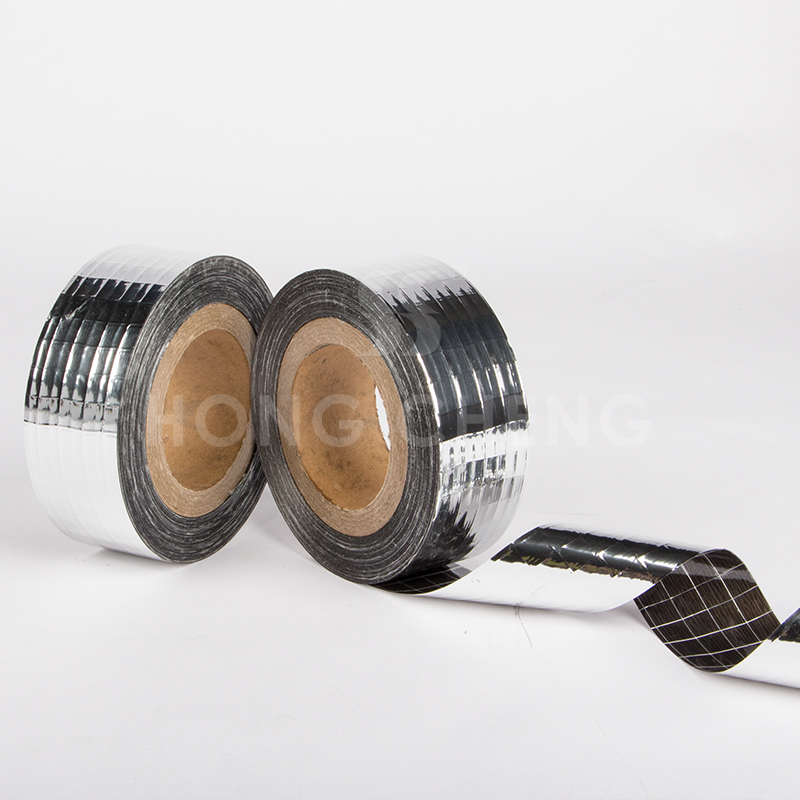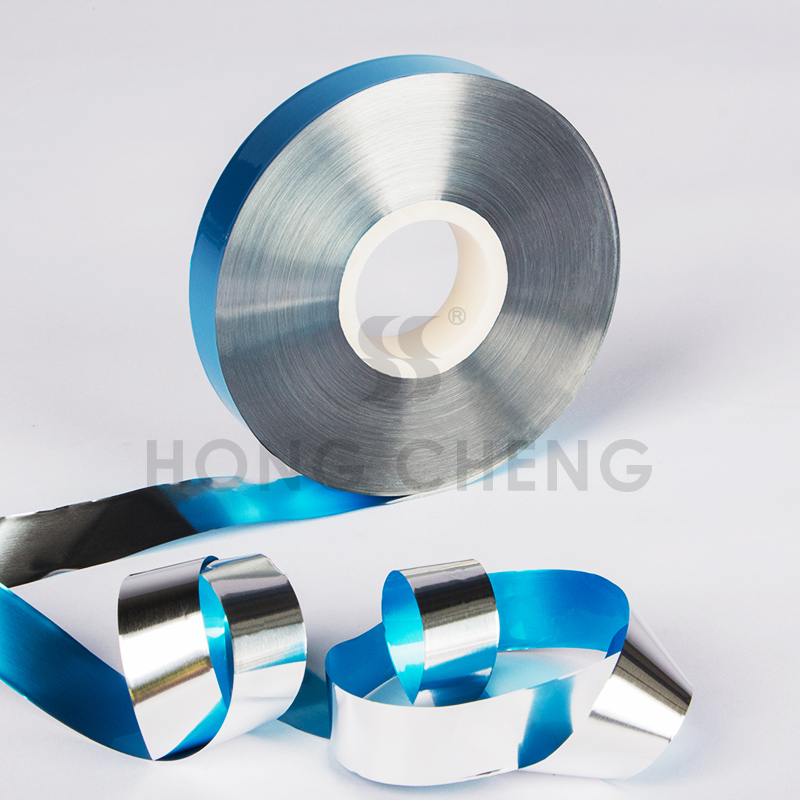
Composition of Cable Aluminum Foil
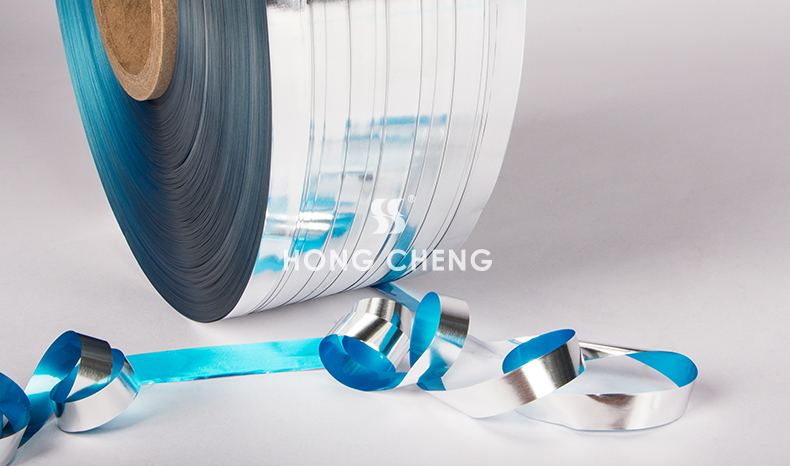
In modern fields such as communication and power transmission, cables play a crucial role. As a key component of cables, cable aluminum foil has a profound impact on the performance of cables. It can not only shield interference but also protect the internal structure of the cable. Its composition seems simple, but in fact, it contains many technical details.
Core Aluminum Foil Layer
The core part of cable aluminum foil is the aluminum foil layer, which is the basis for realizing shielding and protection functions. Aluminum foil is usually made of high-purity aluminum, with a purity generally ranging from 99.0% to 99.9%. High-purity aluminum has good ductility, which enables aluminum foil to be processed into extremely thin sheets, usually with a thickness in the range of 6 - 50 microns. Aluminum foils of different thicknesses are suitable for different scenarios. Thinner aluminum foils are often used in cables with high requirements for weight and flexibility, such as communication cables; while thicker aluminum foils are mostly used in power cables with stricter requirements for shielding performance and mechanical strength.
The production process of aluminum foil is also very critical. First, the aluminum ingot is heated to an appropriate temperature, and after multiple processes such as hot rolling and cold rolling, the aluminum ingot is processed into aluminum foil coils of the required thickness. During the processing, parameters such as temperature and rolling pressure need to be strictly controlled to ensure that the aluminum foil has uniform quality and a smooth surface, avoiding defects such as wrinkles and pinholes, because these defects will seriously affect the shielding effect and mechanical properties of the aluminum foil.
Protective Layer
In order to enhance the durability and corrosion resistance of aluminum foil, a protective layer is usually added to the surface of the aluminum foil. There are various materials for the protective layer, such as polyester film (PET) and polyvinyl chloride (PVC).
Polyester film has excellent mechanical properties, chemical resistance, and insulation properties. It is combined with aluminum foil through a composite process, which can effectively prevent the aluminum foil from being eroded by moisture, chemical substances, etc. in the external environment, and also improve the tensile strength and wear resistance of the aluminum foil. This kind of aluminum foil with a polyester film protective layer is widely used in communication cables, because communication cables often need to be laid in complex environments, and have high requirements for the performance of the protective layer.
Polyvinyl chloride protective layer has good flexibility and flame retardancy, and is suitable for some cables with special requirements for flame retardancy, such as wiring cables in buildings. It can delay the spread of fire to a certain extent and improve the safety of the cable.
Adhesive Layer
Between the aluminum foil and the protective layer, an adhesive layer is usually needed to tightly bond them together to ensure that they will not be easily separated. The choice of adhesive needs to consider the material characteristics of the aluminum foil and the protective layer, as well as the service environment of the cable.
Common adhesives include hot-melt adhesives, solvent-based adhesives, etc. Hot-melt adhesives have the advantages of fast curing speed, strong adhesion, and good environmental protection, and are widely used in the composite of aluminum foil and polyester film. It melts after heating, is applied to the surface of aluminum foil or protective layer, and then the two are bonded together by pressing, and a firm bond can be formed after cooling.
Solvent-based adhesives cure the adhesive layer through the volatilization of solvents to achieve bonding. However, because solvent-based adhesives may release harmful substances, which have a certain impact on the environment and human health, their application range is gradually restricted, and they are more replaced by environmentally friendly adhesives.
The composition of cable aluminum foil is an organic whole. The core aluminum foil layer provides basic shielding and protection functions, the protective layer enhances its durability and adaptability, and the adhesive layer ensures the close combination between various parts. These three parts cooperate with each other to jointly determine the performance of cable aluminum foil, thereby affecting the quality and service life of the entire cable. With the continuous development of science and technology, the performance requirements for cable aluminum foil are constantly increasing, and its constituent materials and production processes are also continuously innovated and optimized to meet the application needs of different fields.
Classification and Application of Aluminum Foil in the Duct Industry
Classification and Application Analysis of Cable Aluminum Foil