Core Application Industries of Thermal Insulation Composite Aluminum Foil
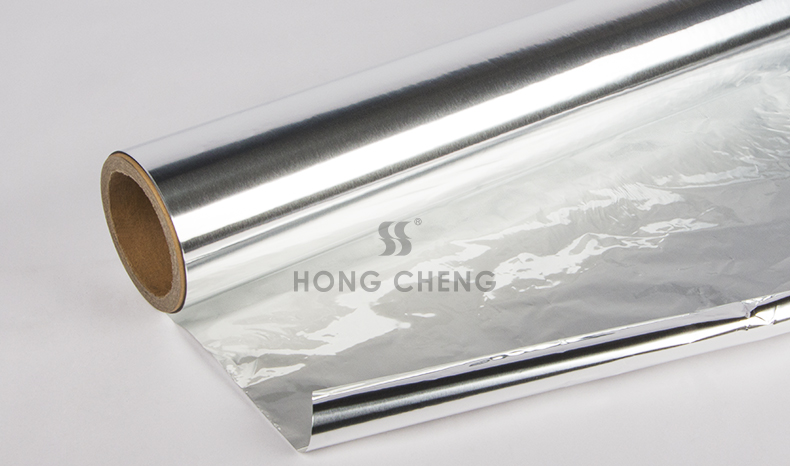
Thermal insulation composite aluminum foil, leveraging the combined advantages of "aluminum foil's high reflective insulation + substrate's thermal insulation and moisture resistance", can efficiently block heat conduction and radiation, while featuring light weight, weather resistance, corrosion resistance, and other properties. It has been widely penetrated into construction, packaging, industry, transportation and other fields, becoming a key material for energy conservation, consumption reduction, protection and preservation in various industries. The following are its core application industries and specific scenarios:
1. Construction and Building Materials Industry (Core Application Field)
The construction sector is the largest demand market for thermal insulation composite aluminum foil, mainly used to improve building energy efficiency, reduce air conditioning and heating energy consumption, while solving problems such as moisture-proofing and sound insulation:
- External Wall Insulation Systems: As a protective and thermal insulation layer for external and internal wall insulation systems, it is compounded on the surface of insulation materials such as extruded boards, polystyrene boards, and rock wool boards to form an integrated structure of "thermal insulation + heat insulation + moisture proofing". It blocks outdoor heat from entering or indoor heat from escaping, suitable for residential buildings, commercial complexes, industrial workshops and other types of buildings;
- Roof Thermal Insulation and Waterproofing: Used as the upper/lower surface of roof insulation layers, bonded to insulation cotton, polyurethane foam and other materials. It not only reflects solar radiant heat but also prevents rainwater penetration, protecting the insulation layer from moisture deterioration and extending the service life of the roof;
- Floor Heating/Air Conditioning Systems:
- In floor heating projects, it is laid under the floor heating coils to form a reflective layer, reflecting heat upward into the room and reducing heat loss through downward conduction, improving heating efficiency;
- Air conditioning ventilation duct wrapping: Composite aluminum foil tape or coils are used for the outer wrapping of air conditioning ducts and fresh air ducts. They not only insulate heat (avoiding cold/heat loss in the ducts) but also prevent moisture and condensation, while achieving noise reduction and corrosion resistance;
- Interior Decoration and Passive Houses: Used for ceiling, partition wall and floor laying, with thermal insulation, sound insulation and moisture-proof functions; in passive ultra-low energy consumption buildings, as a key thermal insulation material, it achieves a significant reduction in building energy consumption with sealing technology.
2. Packaging Industry (Rich Segmented Scenarios)
In the packaging field, it is mainly used to protect product quality and extend shelf life or transportation and storage cycles by leveraging its thermal insulation, preservation and oxidation resistance properties:
- Food Packaging:
- Cold chain transportation packaging: Compounded on the inner layer of insulation boxes and express insulation bags (such as aluminum foil + PE/EVA composite structure), used for the transportation of fresh fruits and vegetables, dairy products, frozen foods, vaccines and medicines. It reflects external heat and achieves long-term temperature control with insulation substrates;
- Room temperature thermal insulation packaging: Used for the inner layer of takeout packaging for hot drinks such as coffee and milk tea, and fresh-keeping boxes for cooked food and pastries. It prevents rapid heat loss, while being oil-proof and leak-proof;
- Industrial Product Packaging: Used for the packaging of precision instruments, electronic components and chemical raw materials. It not only insulates heat and moisture (avoiding product performance degradation due to environmental temperature changes) but also prevents dust and corrosive gases from invading, protecting products from damage during storage and transportation.
3. Industrial Manufacturing Industry (Adapting to High/Low Temperature Working Conditions)
In industrial scenarios, thermal insulation composite aluminum foil is mainly used for the thermal insulation and energy conservation of equipment and pipelines, as well as the protection of personnel and equipment under high-temperature working conditions:
- Pipeline and Equipment Thermal Insulation:
- Thermal pipelines: Wrapped around the outer layer of steam pipelines and hot water pipelines in power plants, central heating systems and chemical parks, reducing heat loss along the way and lowering energy waste;
- Industrial equipment: Thermal insulation layers for boilers, reactors, heat exchangers and cold storage refrigeration equipment. They are suitable for the heat insulation and cooling of high-temperature equipment (preventing personnel scalding) and the cold preservation of low-temperature equipment (avoiding cold loss and condensation);
- Electronic and Electrical Equipment: Used as a heat dissipation and insulation layer for frequency converters, transformers and new energy battery packs. It reflects heat generated by equipment operation, avoiding excessive local temperature affecting equipment stability; backplanes for LED lamps and photovoltaic modules, with thermal insulation, moisture-proof and corrosion-resistant functions, extending equipment service life.
4. Transportation Industry (Driven by Lightweight and Energy-Saving Demands)
The transportation field has high requirements for "light weight + high efficiency" of thermal insulation materials, and thermal insulation composite aluminum foil perfectly meets this demand:
- Automobile Manufacturing:
- Automobile interiors: Used as a sound insulation and thermal insulation layer for car doors, roofs, floors and engine compartments. It reflects heat from the engine and external radiant heat, reducing the temperature inside the car and improving driving comfort;
- New energy vehicles: Battery pack thermal insulation layers reduce battery heat loss in low-temperature environments (ensuring cruising range) and reflect heat in high-temperature environments (preventing battery overheating), while being moisture-proof and corrosion-resistant;
- Rail Transit and Aerospace:
- Thermal insulation layers for high-speed rail and subway car interiors, featuring lightweight, thermal insulation and sound insulation properties, adapting to the installation needs of narrow spaces in carriages;
- Aerospace equipment: Used for the thermal insulation and protection layers of aircraft cabins and satellite equipment, maintaining stable internal temperatures of equipment under extreme temperature environments (low temperature at high altitudes, high temperature from atmospheric friction).
5. Agriculture and Cold Chain Logistics Industry
- Agricultural Planting:
- Greenhouses: Covered on the inner or outer layer of greenhouse films. In winter, it reflects ground radiant heat, reducing heat loss in the greenhouse and increasing the temperature inside; in summer, it reflects strong sunlight and heat, lowering the temperature inside the greenhouse and creating a suitable environment for crop growth;
- Seedling insulation: Used for seedling greenhouses and plastic film mulching, with thermal insulation and moisture retention functions, promoting seed germination and seedling growth;
- Cold Chain Logistics: In addition to food cold chain transportation packaging, it is used for the thermal insulation layers of walls, floors and ceilings in cold storage construction. It cooperates with refrigeration systems to achieve stable low-temperature environments and reduce refrigeration energy consumption; inner wall insulation layers of refrigerated trucks and cold chain containers, featuring lightweight and high-efficiency thermal insulation, adapting to long-distance transportation needs.
6. Other Segmented Industries
- Textile and Apparel: Used as the inner lining of outdoor cold-proof clothing, mountaineering suits and sleeping bags. It adopts a composite structure of "aluminum foil reflective layer + down/cotton insulation layer", reflecting heat emitted by the human body, reducing heat loss and improving warmth retention, without increasing the weight of the clothing;
- Medical and Health: Used for medical thermal blankets (to keep patients warm during surgery and first aid) and thermal insulation layers of vaccine transportation boxes, ensuring temperature control and hygiene safety in medical scenarios;
- Marine and Offshore Engineering: Used for the thermal insulation layers of ship cabins and decks, resisting high temperature, high humidity and salt spray corrosion in marine environments, while providing a comfortable temperature environment for crew living areas.
Summary of Core Demands in Application Industries
The core demands for thermal insulation composite aluminum foil in various industries focus on three points: energy conservation and consumption reduction (construction, industry, transportation fields), protection and preservation (packaging, cold chain, medical fields), and lightweight adaptation (transportation, aerospace, textile fields). With the continuous improvement of requirements for energy conservation, environmental protection and efficiency in various industries, the application scenarios of thermal insulation composite aluminum foil are still expanding, especially in emerging fields such as new energy, passive houses and high-end manufacturing, with significant demand growth.
The Core Functions of Aluminum-Plastic Composite Film in Roof Thermal Insulation and Waterproofing
Core Differences Between AL+PE and AL+OPE Composite Films