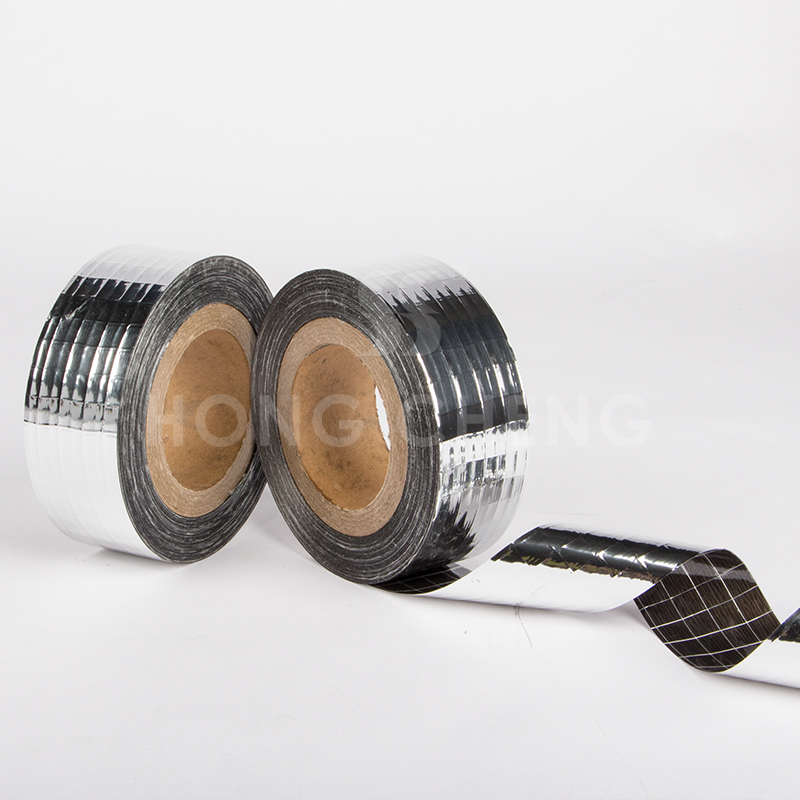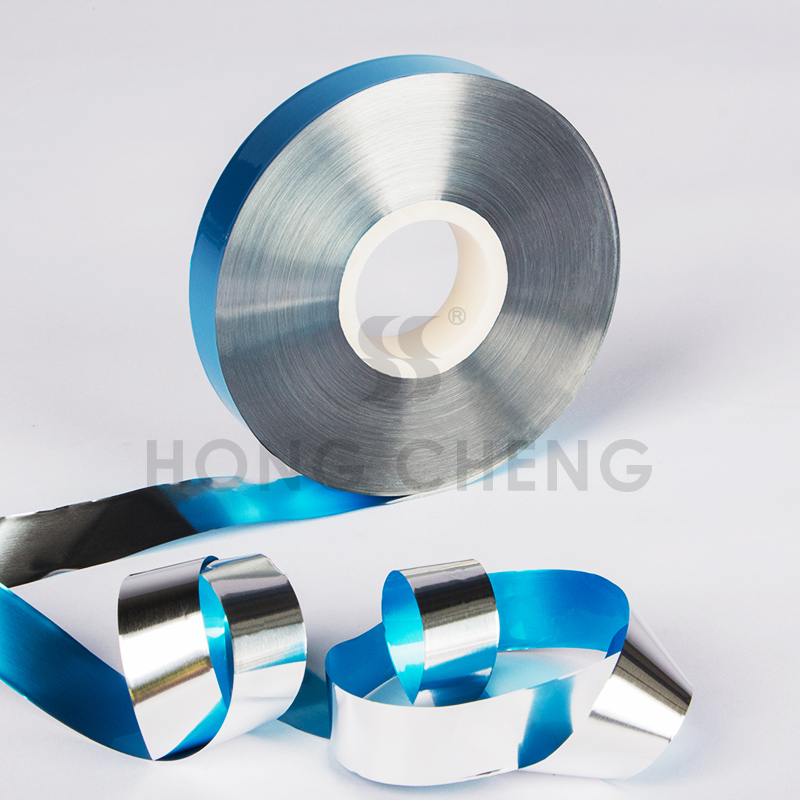
Diverse Applications of Aluminum-Plastic Composite Film in the Thermal Insulation Industry
In the thermal insulation industry, aluminum-plastic composite film has become one of the core materials for improving the efficiency of thermal insulation systems, relying on the combined advantages of "high reflective insulation of aluminum foil + thermal insulation and moisture resistance of substrate", as well as characteristics such as light weight, weather resistance and convenient construction. Through the synergistic effect of the aluminum foil layer and substrates such as PE, PET and OPE, it can adapt to different temperature, humidity and working condition requirements, and has been widely penetrated into many sub-fields such as construction, industry and cold chain logistics, providing key support for the industry's energy conservation, consumption reduction, quality improvement and efficiency enhancement.
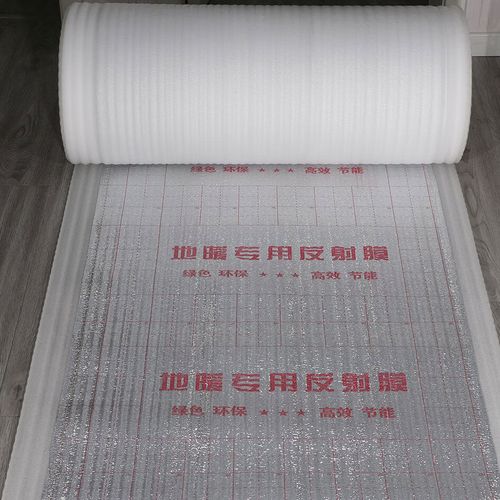
The construction field is the most core application scenario of aluminum-plastic composite film, running through the entire thermal insulation system such as building roofs, external walls and floor heating. In roof insulation, aluminum-plastic composite film is often laid on the surface of insulation materials as a vapor barrier or thermal insulation layer. The aluminum foil layer efficiently reflects solar radiant heat to reduce heat absorption by the roof, while the substrate layer blocks water vapor penetration, avoiding moisture and mildew of the insulation layer, and ensuring long-term stable thermal insulation performance, which is suitable for various buildings such as residential buildings, commercial complexes and industrial workshops. In external wall insulation systems, it is used in combination with rock wool boards, extruded boards and other materials to form an integrated structure of "thermal insulation + heat insulation + protection", reducing indoor and outdoor heat exchange and helping buildings meet green energy-saving standards.
High-temperature and low-temperature working conditions in the industrial field put forward strict requirements on thermal insulation materials, and aluminum-plastic composite film occupies an important position due to its excellent environmental adaptability. In the thermal insulation of thermal and chemical pipelines, it is used for wrapping the outer layer of pipelines. The aluminum foil layer blocks heat radiation loss, and the substrate layer isolates external water vapor and corrosive media, which not only reduces the heat loss along the way of steam and hot water pipelines, but also protects low-temperature pipelines from external temperature effects and avoids condensation. In industrial equipment insulation, it can be used for heat insulation and protection of high-temperature equipment such as boilers and reactors to prevent personnel scalding; it can also be used for cold insulation layers of low-temperature equipment such as cold storage and refrigeration units to reduce cold loss and maintain stable operation of equipment.
The thermal insulation needs in the cold chain logistics and agricultural fields have promoted the continuous expansion of the application scenarios of aluminum-plastic composite film. In cold chain logistics, aluminum-plastic composite film is the core inner lining material of insulation boxes and bags. It reflects external heat through the aluminum foil layer and locks internal cold through the substrate layer, forming an efficient thermal insulation system with insulation cotton and other materials. In agricultural planting, it is used for inner or outer covering of greenhouses. In winter, it reflects ground radiant heat to reduce heat loss in the greenhouse; in summer, it reflects strong sunlight to lower the temperature in the greenhouse, creating a suitable environment for crop growth.
With the development of the thermal insulation industry towards greenization and high efficiency, the application advantages of aluminum-plastic composite film have become increasingly prominent. It can not only improve the energy-saving efficiency of the thermal insulation system, but also simplify the construction process, extend the service life of the system and reduce the full-life cycle cost. In the future, with the continuous upgrading of material technology, aluminum-plastic composite film will make breakthroughs in more harsh working conditions, further expand its application in emerging fields such as high-end manufacturing and passive buildings, and inject more vitality into the high-quality development of the thermal insulation industry.
Main Types and Application Characteristics of Air Duct Aluminum Foil
Hangzhou Hongcheng Technology Debuts at the 22nd Asia Insulation Exhibition