Why Foil Bubble Insulation Tops Summer Building Energy Savings
As July brings peak heat waves across the globe, with temperatures regularly exceeding 40°C in many regions, the construction industry faces a pressing challenge: how to keep buildings cool without driving energy costs through the roof. Among the many thermal insulation materials available, foil bubble insulation has emerged as the fastest-growing category in summer building energy efficiency, thanks to its dual mechanism of reflecting up to 95% of radiant heat while trapping a stationary air layer to block conductive heat transfer. This article examines the market drivers, technical upgrades, and procurement trends shaping the foil bubble insulation industry during the summer of 2026.
1. The Real Culprit: Radiant Heat, Not Conductive Heat
Many building procurement professionals still equate thermal insulation with "thicker is better," focusing on conductive heat resistance. However, the primary cause of summer building overheating is solar radiant heat, not conductive heat. At midday in summer, roof surface temperatures can reach 60-75°C, with radiant heat accounting for over 60% of the total thermal load, conductive heat approximately 30%, and convective heat only about 10%.
Traditional insulation materials such as EPS foam boards and rock wool are primarily designed to resist conductive heat and offer limited radiant heat blocking. The core advantage of foil bubble insulation lies in its outer aluminum foil layer, which reflects 90-97% of solar radiant heat before it enters the building structure. The middle PE bubble layer traps a layer of still air, blocking residual conductive heat. This "reflect + block" dual mechanism makes foil bubble insulation far more effective than single-function insulation materials under summer conditions.
Field test data demonstrates that installing double-sided foil bubble insulation beneath steel structure factory roofs can reduce indoor temperatures by 8-12°C and lower air conditioning energy consumption by 20-35%. For top-floor residential buildings, foil bubble insulation can bring roof interior surface temperatures down from approximately 45°C to 32°C, significantly improving occupant comfort.
2. Market Drivers: Four Sectors with Simultaneous Summer Demand
Steel Structure Factories and Warehouses: Regulatory Compliance
Summer heat directly impacts production safety and worker health. Construction and safety regulatory bodies in multiple regions now require that workplace indoor temperatures must not exceed 35°C. Steel structure factories, with their fast heat-conducting metal roofs, often see indoor temperatures of 45-50°C in summer, which ventilation alone cannot adequately address. Foil bubble insulation has become the preferred solution for factory cooling renovations due to its simple installation — it can be laid directly beneath roof panels or adhered to purlins.
Cold Chain Logistics: Increased Summer Thermal Loss
Refrigerated truck bodies face the most demanding conditions in summer. When ambient temperatures rise from 25°C to 38°C, the temperature differential across the truck body increases dramatically, placing heavy load on refrigeration units. Adding a layer of foil bubble insulation between the truck exterior and insulation panel effectively reflects external radiant heat, reducing cold loss. Cold chain operators report that adding foil bubble insulation can reduce summer refrigeration energy consumption by approximately 15-20%, while significantly improving temperature stability.
Agricultural Greenhouses and Livestock Farms: Summer Shading
Agricultural greenhouses face "heat baking" risks in summer, with internal temperatures potentially exceeding 50°C, leading to crop scorching and livestock heat stress. Foil bubble insulation used as a greenhouse roof inner liner or side curtain can lower internal temperatures by 6-10°C, with no negative impact on crop photosynthesis from reflected light. Livestock farm roofs equipped with foil bubble insulation have shown noticeable improvements in animal survival rates and milk or egg production.
Temporary Buildings and Prefab Structures: Rapid Retrofit
Construction sites, outdoor exhibitions, and emergency response scenarios also require summer insulation solutions. Foil bubble insulation is lightweight (200-400g/m²), cuttable, and available in roll form, requiring no specialized installation equipment. One to two workers can complete installation of a 100-square-meter area, making it the most cost-effective summer insulation solution for temporary structures.
3. Technical Upgrades: Summer Conditions Drive Material Innovation
Double-Sided Foil Structure Becomes Mainstream
Early foil bubble insulation was predominantly single-sided (AL + bubble + PE), but under intense summer radiation, single-sided foil reflectivity often falls short. The market has shifted toward double-sided foil structures (AL + bubble + AL), with reflectivity on both sides reaching 95% or higher. The inner foil layer also reflects indoor heat back into the room, providing year-round performance for both summer cooling and winter heating.
UV-Resistant Coating Demand Grows
Summer UV radiation is intense, and foil bubble insulation exposed to direct sunlight is susceptible to aluminum oxidation and bubble layer degradation. New-generation products incorporate UV stabilizer coatings on the outer foil surface, extending service life from 1-2 years to 3-5 years. For roof-exposed applications, UV coating has become a standard requirement.
Large Bubble Diameter and Double-Bubble Structures
Summer insulation requires thicker air gaps. Standard small-bubble (6-10mm) insulation provides only 3-4mm of air layer thickness, while large-bubble (20-30mm) double-bubble structures can increase the air gap to 8-10mm, improving thermal resistance by approximately 40%. For roofs with prolonged sun exposure, large-bubble double-bubble structures have become the premium project standard.
Fire Rating Upgrades
Building insulation materials must meet B1 or B2 fire safety ratings. Traditional PE bubble film has poor flame retardancy. New-generation products incorporate flame retardant masterbatches in the PE raw material, enabling the overall product to achieve B1 rating (self-extinguishing away from flame), meeting building fire inspection requirements.
4. Procurement Trends: From "Buy by Thickness" to "Buy by Application"
A clear trend among foil bubble insulation buyers is the shift from comparing thickness and price alone toward specifying requirements based on actual application scenarios. A mature procurement checklist typically includes the following:
- Reflectivity test report: Buyers require suppliers to provide foil layer reflectivity data. General building applications should achieve no less than 90%, while roof-exposed applications require 95% or higher.
- Bubble structure and compression test: Roof applications prioritize medium or large bubbles, with compression strength data required (bubbles must not collapse under foot traffic).
- Fire rating certificate: Building applications must include B1 or B2 fire test reports.
- Width and roll diameter customization: Standard widths are 1.2-1.5m. Large-scale projects may require 2.0m widths to minimize seams. Roll diameter must match container shipping logistics.
- Lamination strength: Peel strength between foil and bubble layers should be ≥1.5N/15mm to prevent delamination during installation.
5. Hongcheng Technology's Material Support
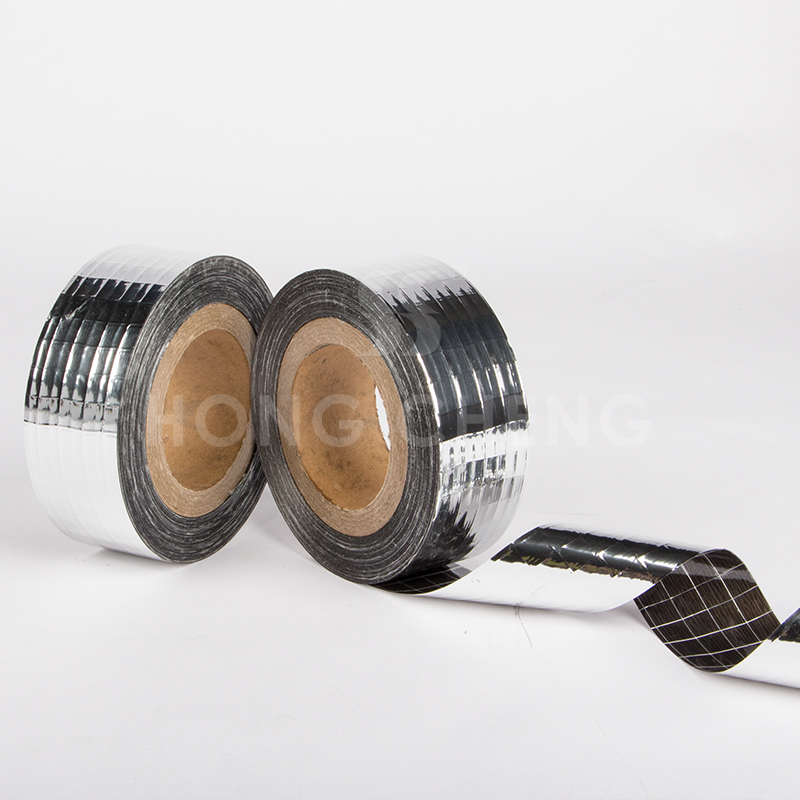
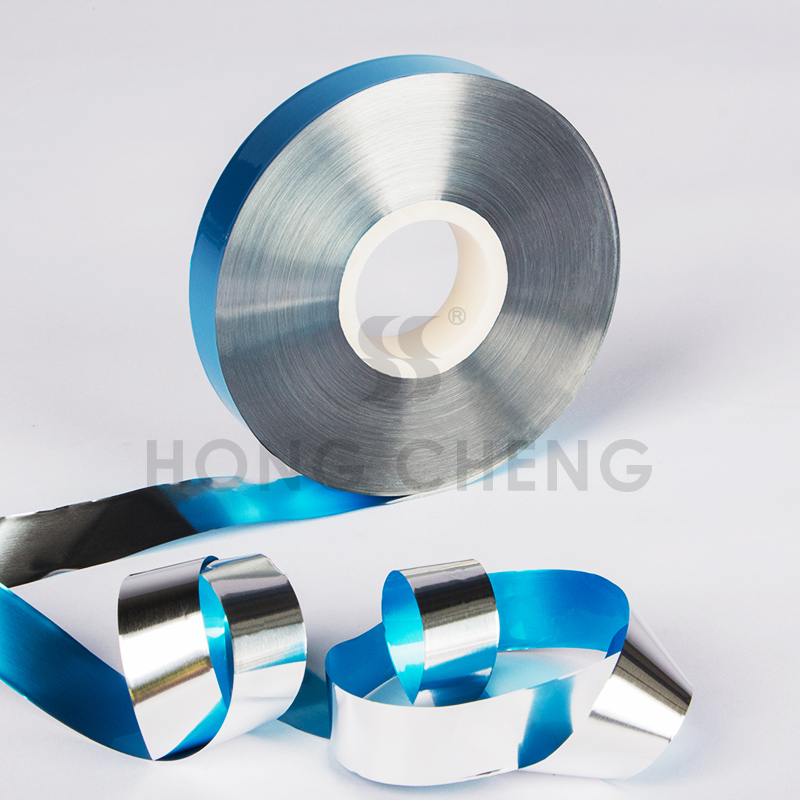
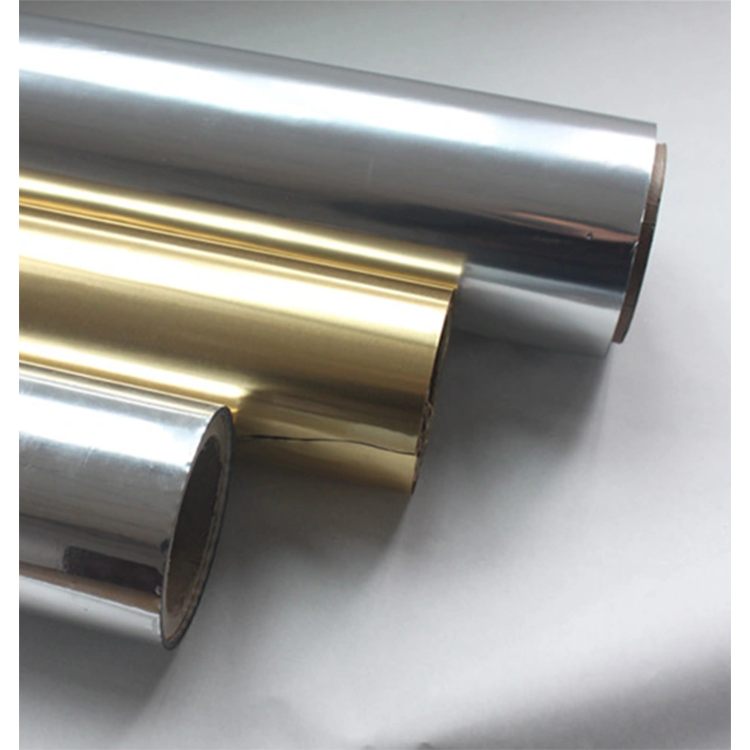
Hangzhou Hongcheng Technology, a professional manufacturer of aluminum foil composites and PE-coated materials, offers customized raw material solutions for foil bubble insulation. Core substrates include aluminum foil, metallized film, PET, and PE, which can be combined into single-sided foil bubble film, double-sided foil bubble film, AL/PE composite bubble film, and other structures. Customization options include foil thickness (7-18μm), bubble diameter (small/medium/large), width, and fire rating. Products are widely used in building roof insulation, cold chain truck bodies, agricultural greenhouses, and temporary structures. With stable production capacity and strict quality control systems, Hongcheng Technology provides fast delivery and technical support for summer insulation materials to customers worldwide.
+86 13758223270 Email: wendy@hcdxcl.com.cn
Tea Packaging Foil Laminate Selection Guide: By Tea Type & Barrier Grade
VMPET Duct Facing: Summer HVAC Peak Season & Shipping Window Outlook 2026