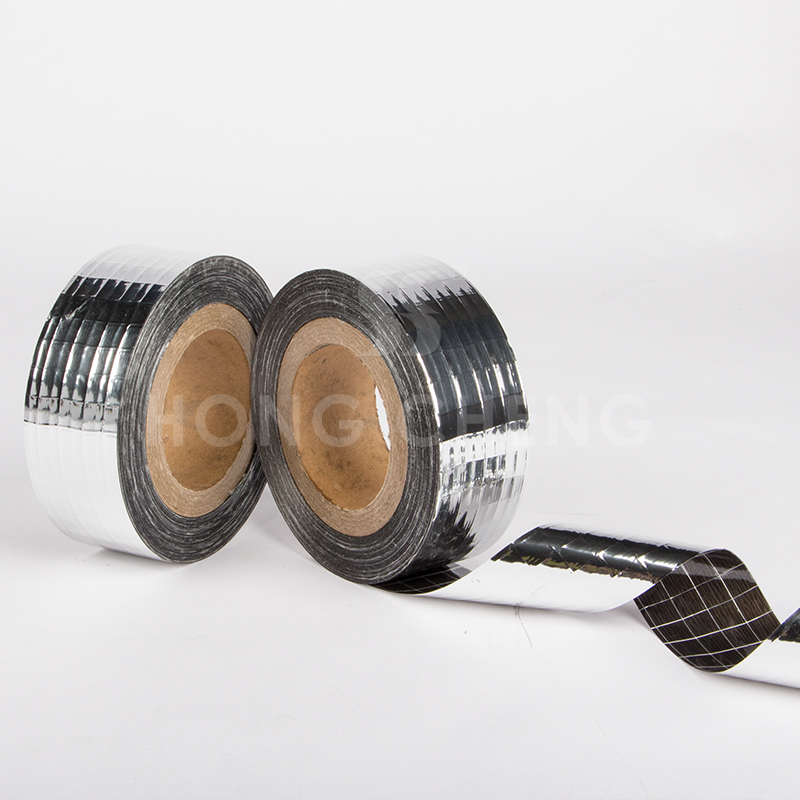
FSK Facing Material Selection Guide for HVAC Duct Insulation
Introduction: Why Getting the Spec Right Matters More Than Getting the Price Low
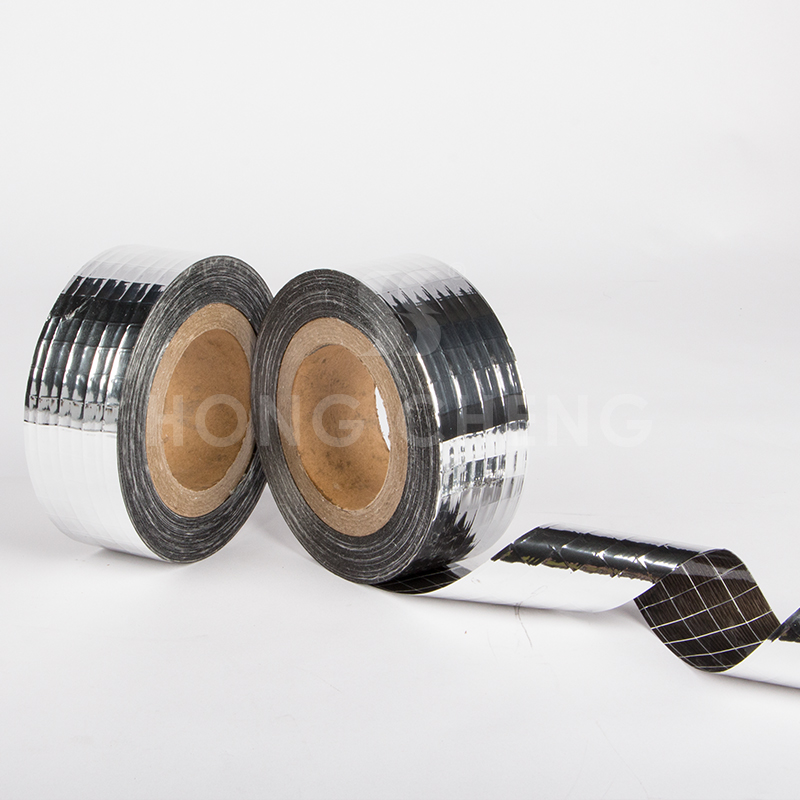
In the procurement of HVAC duct insulation materials, FSK facing — a three-layer composite of aluminum foil, fiberglass or polyester scrim, and kraft paper — is the most widely used outer facing for flexible insulation ducts. Yet many procurement managers default to price as the primary selection criterion, overlooking how critical specification differences are to real-world performance.
Two rolls of "FSK facing" can differ significantly: foil thickness may range from 6μm to 9μm, scrim density from 4×4 to 6×6, and kraft weight from 40g/m² to 80g/m². These variables directly determine vapor barrier performance, tear resistance, and bonding strength with the underlying insulation. This guide systematically reviews the key parameters and selection logic for FSK laminate, intended for domestic flexible duct manufacturers and engineering procurement teams.
1. FSK Structure Explained: What Each Layer Does
FSK stands for Foil-Scrim-Kraft. Each layer has a distinct functional role:
Layer 1: Aluminum Foil (Foil) The outermost layer provides vapor barrier protection, radiant heat reflection, and surface moisture resistance. Common thicknesses:
- 6μm foil: Lower cost, suitable for indoor low-pressure static duct applications where basic vapor resistance is sufficient
- 7μm foil: Best cost-performance balance; the most common specification in the domestic HVAC duct market
- 9μm foil: Enhanced barrier performance; recommended for environments with condensation risk, thermal cycling, or high-humidity conditions
Layer 2: Scrim (Reinforcing Mesh) The fiberglass or polyester woven mesh provides structural reinforcement, preventing the foil from tearing during coiling or installation. The key variable is scrim density:
- 4×4 (4 threads/inch × 4 threads/inch): Basic grade, suitable for lightweight flexible ducts
- 5×5 or 6×6: High-strength grade, recommended for applications involving repeated bending, rough-handling installation, or large-diameter heavy-duty insulated ducts
Layer 3: Kraft Paper The innermost layer contacts the insulation wool (glass wool, centrifugal glass wool) directly, providing a bonding surface and adding overall stiffness. Common basis weights:
- 40–50g/m²: Lightweight, suitable for thin-wall flexible ducts
- 60–80g/m²: Heavyweight, greater rigidity, suitable for positive-pressure duct systems with differential pressure requirements
2. FSK Facing Specification Comparison
| Parameter | Lightweight (Economy) | Standard (Mainstream) | Heavy-Duty (Performance) |
|---|---|---|---|
| Foil Thickness | 6μm | 7μm | 9μm |
| Scrim Density | 4×4 | 5×5 | 6×6 |
| Kraft Weight | 40g/m² | 60g/m² | 80g/m² |
| Total Weight (ref.) | ~60–70g/m² | ~80–100g/m² | ~110–130g/m² |
| Typical Application | Indoor low-pressure duct | General HVAC flex duct | Cold storage / industrial duct |
| Tear Strength | Fair | Good | Excellent |
| MVTR (Vapor Permeance) | Higher | Low | Very Low |
3. Common Procurement Mistakes
Mistake 1: Comparing per-kg price without accounting for area density
FSK facing can be quoted per square meter or per kilogram. If you only compare per-kg prices without checking the area weight (g/m²), your effective cost per square meter can vary by 30–50%. Always normalize comparisons to a per-m² basis.
Mistake 2: Assuming thicker foil is always better
For standard HVAC applications, 7μm foil already meets ASTM C1136 (Class F and above) and relevant Chinese GB/T standards. Specifying 9μm unnecessarily raises cost and increases roll weight, adding to logistics and handling complexity. Upgrading to 9μm is only justified in high-humidity industrial refrigeration pipework, or marine/offshore thermal cycling environments.
Mistake 3: Overlooking scrim material — fiberglass vs polyester
Fiberglass scrim handles elevated temperatures (above 180°C) and is the correct choice for high-temperature flue-adjacent or heat-tracing insulation. Polyester scrim offers superior flexibility and is better suited for flexible ducts requiring large-angle bending. The two look similar but perform very differently — always confirm the scrim material before ordering.
4. Hongcheng Technology's FSK Facing Supply Capability
Hangzhou Hongcheng Technology Co., Ltd. has been supplying FSK composite facing rolls to insulation duct manufacturers domestically and internationally. Standard supply specifications include:
- Foil layer: 6μm / 7μm / 9μm (custom available)
- Scrim: Fiberglass 4×4 / 5×5 / 6×6; Polyester 4×4 / 5×5
- Kraft layer: 40g, 50g, 60g, 80g options
- Roll width: 500mm to 1500mm; non-standard widths available
- Surface finish: Standard silver aluminum foil; matte finish available on request
- Minimum order: Small trial orders accepted; stable supply for large-volume orders
Products comply with ASTM C1136 (Class F and above) and relevant Chinese insulation material standards. Third-party test reports and Technical Data Sheets (TDS) available on request.
5. Procurement Summary
- Define your application first: Determine whether it is standard indoor HVAC, cold storage pipework, or high-temperature industrial — then fix the base specification
- Request samples for testing: Pay particular attention to tear strength and moisture vapor transmission rate (MVTR)
- Normalize to per-m² cost: Do not be misled by low per-kg prices on lower-density products
- Confirm scrim material: Fiberglass and polyester are not interchangeable — always verify before ordering
For product specifications, samples, or pricing inquiries, please contact the Hongcheng Technology sales team.
Contact: WeChat/Phone +86 13758223270 Email wendy@hcdxcl.com.cn
Growing Demand for Reflective Sunshade Materials in the Electric Vehicle Era
AL/PE Foil Laminate for Heating Cable Shielding Sleeve: Structure, Performance and Selection Guide