Growing Demand for Reflective Sunshade Materials in the Electric Vehicle Era
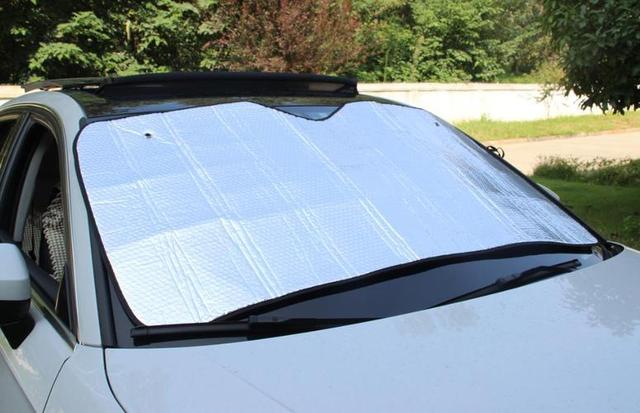
As global electric vehicle adoption continues to accelerate, in-cabin comfort has become a critical factor in consumer purchasing decisions. Unlike traditional internal combustion engine vehicles, EVs commonly feature large panoramic glass roofs and expansive windshields. While these design choices create an open, airy cabin environment, they also significantly increase interior heat load during summer months. This trend is driving robust growth in demand for automotive sunshades and the reflective thermal insulation materials at their core.
The working principle behind automotive sunshades is straightforward: by constructing a highly reflective coating or laminating a metallic layer onto a base substrate, the material reflects infrared radiation and visible light from solar energy away from the vehicle interior, thereby reducing cabin temperature. However, what appears simple in concept imposes demanding requirements on raw materials. Automotive sunshades must endure prolonged high-temperature exposure, repeated folding and unfolding, and dramatic temperature fluctuations. As a result, the materials used must deliver high reflectivity, excellent weatherability, crease resistance, and dimensional stability.
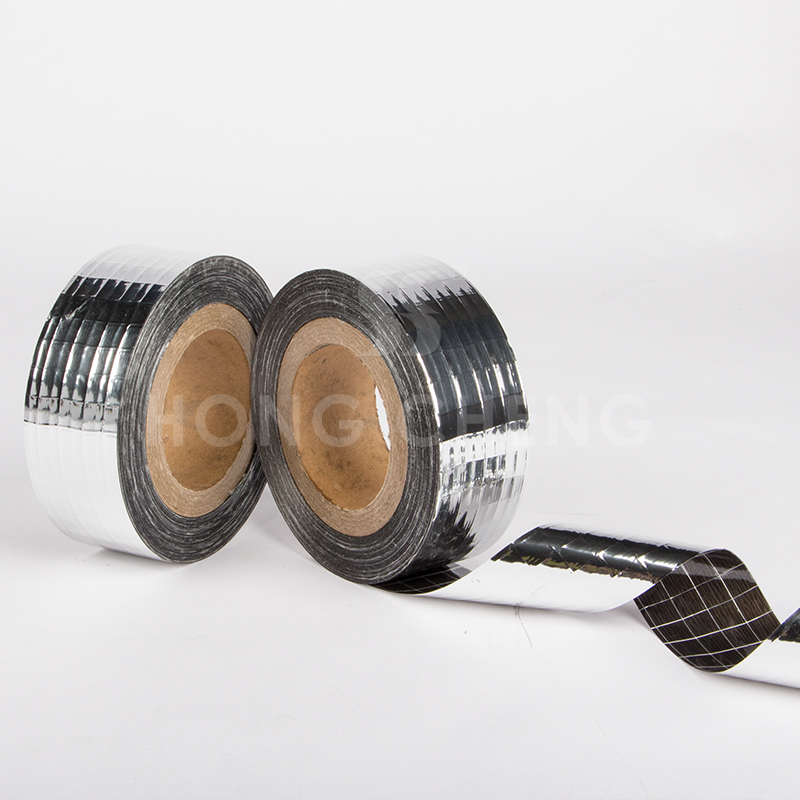
Currently, the Chinese automotive sunshade raw material market is dominated by two primary technical approaches: single-layer reflective solutions based on metalized film, and multi-layer composite structures centered on aluminum foil laminated with PE.
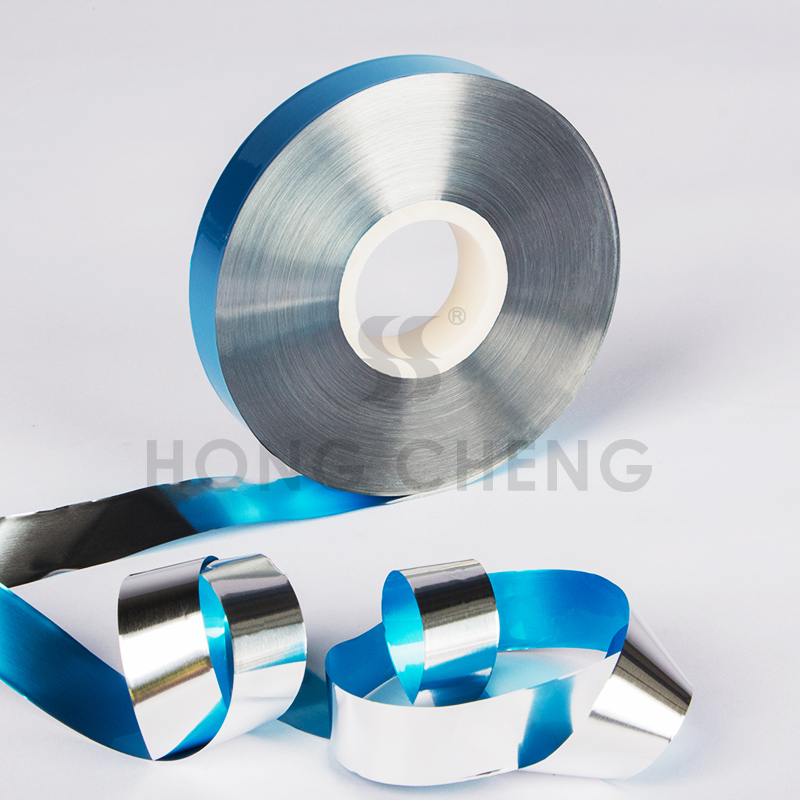
The metalized film approach utilizes vacuum metallization technology to deposit a nano-scale aluminum layer onto a PET base film, producing a material with a mirror-like reflective surface. The key advantages of this approach include light weight, cost efficiency, and high processing flexibility. Premium-grade metalized films can achieve visible light reflectivity above 85% and infrared reflectivity in the 75% to 80% range, meeting the performance requirements of mid-range automotive sunshade products. However, metalized films have notable limitations: the adhesion of the aluminum layer is inherently limited, and repeated folding can lead to aluminum delamination and subsequent degradation of reflective performance. Additionally, single-layer metalized films lack an effective thermal buffer structure, making their sustained insulation performance less robust than multi-layer composites under extreme heat conditions.
The aluminum foil PE laminate approach involves thermally bonding pure aluminum foil with a PE (polyethylene) coating layer to create a dual-layer or multi-layer structure combining a reflective aluminum layer with a PE insulation buffer. The core advantage of this solution lies in the synergistic enhancement of both reflectivity and thermal insulation. Pure aluminum foil typically achieves infrared reflectivity exceeding 90%, and when paired with the thermal resistance provided by the PE layer, the composite effectively blocks both radiant and conductive heat transfer. Furthermore, aluminum foil laminates exhibit markedly superior mechanical strength compared to metalized films, with better tear resistance and folding durability — critical attributes for sunshade products that undergo frequent deployment and retraction cycles. The trade-offs include higher material weight and marginally higher unit costs relative to metalized film solutions.
From an end-use perspective, selecting the appropriate raw material approach requires a comprehensive evaluation of target market positioning. For economy-segment aftermarket sunshade products, the metalized film approach offers acceptable reflective and thermal performance within tight cost constraints. For mid-to-high-end OEM sunshade applications or premium aftermarket brands, the aluminum foil PE laminate approach provides superior reflectivity, durability, and overall product quality. Notably, some leading sunshade manufacturers are experimenting with a hybrid approach — laminating a thin-profile PE layer onto the back of metalized film — to strike a balance between cost and performance.
From the supply chain perspective, relatively few raw material manufacturers in China are capable of consistently supplying both metalized films and aluminum foil PE laminates. Most producers focus on either metalized film as a single category or produce generic aluminum foil composites without the formulation expertise required to address the specific needs of automotive sunshade applications. According to industry data, the global automotive sunshade market is projected to grow at a compound annual growth rate exceeding 6% through 2030, with the Asia-Pacific region accounting for the largest share of both production and consumption. This structural market growth is creating sustained demand for high-performance reflective materials across multiple tiers of the supply chain.
The gap between general-purpose foil products and application-specific sunshade materials creates a differentiated competitive advantage for manufacturers with composite material R&D capabilities. Sunshade manufacturers increasingly seek suppliers who can flexibly adjust product structures to meet precise customer specifications for key parameters including visible light reflectivity, infrared reflectivity, grammage, total thickness, and surface finish color (such as copper or blue metallic appearances). Suppliers limited to standard off-the-shelf products struggle to differentiate themselves in this increasingly specification-driven market.
Quality consistency is another critical factor that separates specialized manufacturers from generic commodity producers. Automotive sunshade materials must maintain uniform reflective performance across entire production rolls — typically 500mm to 750mm in width — without visible defects such as pinholes, coating voids, or lamination bubbles. Even minor inconsistencies in the aluminum deposition layer or lamination bonding can create localized weak spots that degrade over repeated folding cycles. Leading suppliers address this through in-line optical inspection systems and batch-level reflectance testing, ensuring that every meter of material delivered meets the agreed-upon performance specifications.
Looking ahead, the automotive sunshade raw material market is poised to follow three distinct trends. First, reflectivity standards will continue to rise as automakers place greater emphasis on cabin thermal management, progressively raising the optical performance thresholds for sunshade materials. Second, lightweighting requirements will drive material structure optimization — reducing material weight without compromising reflective performance. Third, functional integration will become increasingly important, with features such as UV protection, antimicrobial properties, and self-cleaning capabilities being incorporated into reflective thermal insulation films. For raw material suppliers, companies possessing composite processing capabilities, formulation development expertise, and the agility to respond rapidly to customization demands will be best positioned to capture growth in this expanding market.
Hangzhou Hongcheng Technology Co., Ltd., as a specialized manufacturer in China's aluminum foil composite and PE extrusion coating materials sector, has long provided customized raw material solutions for industries including automotive sunshade, building insulation, and industrial packaging. The company operates multiple aluminum foil laminating and PE coating production lines capable of producing reflective thermal insulation composite films in various structural configurations. Hongcheng Technology supports flexible customization of width, thickness, and surface color (copper, blue, and other finishes), with products exported to markets across Southeast Asia, the Middle East, and South America.
Tel/WeChat: +86 13758223270 Email: wendy@hcdxcl.com.cn
AL/PE vs Metallized Film for Luggage Lining: A Technical Performance Comparison
FSK Facing Material Selection Guide for HVAC Duct Insulation