Guide to Selecting Aluminum Foil Composite Film for Luggage Liners
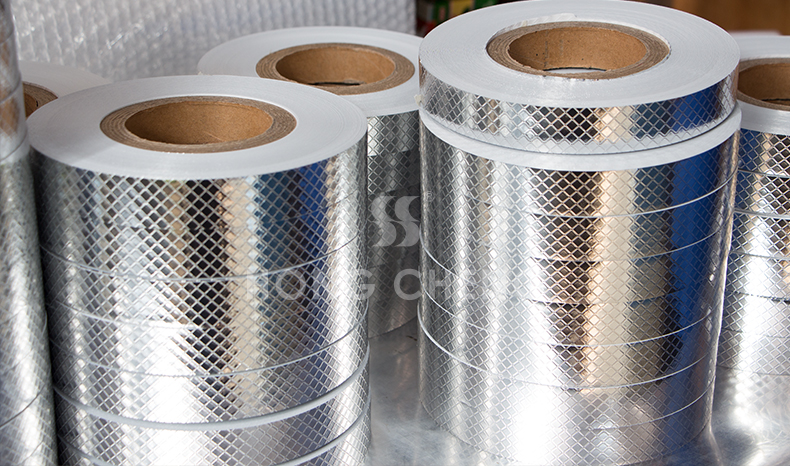
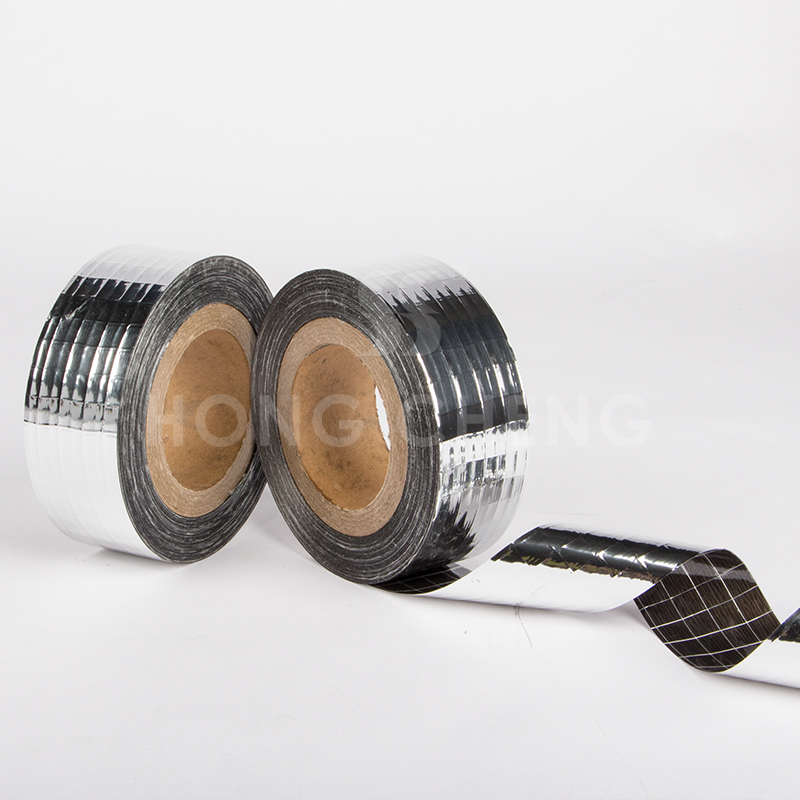
In the field of luggage manufacturing and upgrading, aluminum foil composite film has become the preferred material for liners of high-end luggage and functional bags (such as outdoor bags and electronic equipment cases) due to its advantages of moisture resistance, heat insulation, and stain resistance. High-quality aluminum foil composite film can provide comprehensive protection for items inside the luggage, while improper selection may affect the user experience or even damage the items. Therefore, mastering scientific selection methods is crucial. The following details the key considerations for selecting aluminum foil composite film for luggage liners from dimensions such as core performance, adaptability, and practicality.
Core protection performance is the primary consideration. The core function of a luggage liner is to protect items, and the protective performance of the aluminum foil composite film directly determines the protection effect. First, pay attention to moisture resistance. The dense structure of the aluminum foil layer is the key to blocking moisture. When selecting, confirm the moisture vapor transmission rate (MVTR) of the composite film. Prioritize products with low MVTR values, no pinholes in the aluminum foil layer, and tight lamination. It is especially suitable for luggage storing clothes and electronic equipment, which can prevent items from getting damp, moldy, or short-circuited. Secondly, heat insulation is particularly important for outdoor luggage and thermal insulation bags. For these, choose products with uniform aluminum foil thickness and low thermal conductivity of the base material (such as PE and PET substrates), which can effectively block external temperature conduction and protect items sensitive to temperature (such as medicines and precision instruments). In addition, stain and corrosion resistance should not be ignored. The surface of high-quality composite film should be smooth and easy to clean, able to resist slight stains and sweat erosion, and not release harmful substances, avoiding contamination of clothes or food in the luggage.
Material and composite process determine durability. Luggage inevitably faces friction, folding, and extrusion during use, and the material and process of the aluminum foil composite film directly affect its service life. In terms of base material selection, PE substrate has good flexibility and fold resistance, suitable for luggage that is frequently opened and closed; PET substrate has high hardness and good stiffness, suitable for liner structures that need shaping; for higher strength, products with PE and PET composite substrates can be selected. The thickness of the aluminum foil layer is recommended to be above 0.01mm. Too thin aluminum foil is easy to break and wrinkle when folded, affecting the protective effect. In terms of composite process, prioritize products with thermal lamination or solvent-free lamination. These processes can make the aluminum foil and substrate adhere closely, not easy to delaminate or degum. Inferior glue-laminated products are prone to aluminum foil peeling and substrate cracking after long-term use or temperature changes. At the same time, durability can be verified through tearing and folding tests: products that have no obvious creases, no delamination after repeated folding, and are not easy to tear when torn are qualified.
Adapt to luggage type and usage scenario. Different types of luggage have different requirements for aluminum foil composite film, which need to be selected targetedly. Outdoor adventure luggage needs to be wear-resistant, waterproof, and tear-resistant. Choose composite film with thickened aluminum foil layer + high toughness substrate, and the surface can be added with wear-resistant coating; business luggage focuses on lightness and beauty, and can choose thin, soft, and delicate composite film, with colors mainly simple and versatile silver and gray, which does not take up too much space; maternal and child luggage and food luggage should prioritize products with food-grade certification (such as FDA certification) to ensure that the material is non-toxic and harmless, no odor, no heavy metal residues, and ensure safe use. In addition, if the luggage is used to store sharp items (such as tools, equipment accessories), choose aluminum foil composite film with a buffer layer (such as aluminum foil + EVA composite). The buffer layer can absorb impact force, prevent sharp items from piercing the composite film, and protect the items themselves.
Practical details affect user experience. In addition to core performance, detailed design determines the convenience of use. First, flexibility and fit. The composite film should be soft and easy to cut, able to fit closely to the internal structure of the luggage without bulging or loosening. It is especially suitable for irregularly shaped luggage or liners with partitions, which can be cut into different shapes according to needs to improve space utilization. Secondly, weight and thickness. Too thick composite film will increase the overall weight of the luggage, affecting portability. On the premise of ensuring performance, choose lightweight products with thickness recommended between 0.1-0.3mm to balance protection and portability. In addition, appearance and functional details can also be considered, such as whether the surface has anti-slip texture (to prevent items from sliding inside the luggage), whether it supports heat sealing or bonding (to facilitate fixing the liner), and whether the color is coordinated with the overall style of the luggage.
Quality certification and supplier selection cannot be ignored. High-quality aluminum foil composite film must pass relevant quality certifications. When selecting, you can ask the supplier to provide test reports to confirm that the product meets environmental standards (such as RoHS certification) and no harmful substances such as formaldehyde are released. At the same time, prioritize suppliers with good reputation and large production scale. Such enterprises have more mature production processes, stable product quality, and can provide customized services (such as cutting according to luggage size, customizing color or thickness). Avoid choosing inferior products with too low prices. Such products often have problems such as substandard aluminum foil thickness and simple composite processes, which not only have poor protective effects but may also affect health due to unqualified materials.
In short, selecting aluminum foil composite film for luggage liners needs to consider protective performance, durability, adaptability, and practicality, and make a comprehensive judgment based on luggage type, usage scenario, and core needs. High-quality aluminum foil composite film can not only improve the protective capacity of the luggage but also enhance product added value, bringing users a more assured and convenient use experience. When selecting, do not only focus on price, but verify through performance parameters, physical tests, supplier qualifications, etc., to ensure that the selected product meets the needs.
Core Differences Between AL+PE and AL+OPE Composite Films
Hangzhou Hongcheng Tech Shines at 2025 Vietnam Int’l Wire & Cable Show