Heat Trace Cable Market Expansion Drives Demand for Aluminum Foil Fiberglass Shielding Tapes
The global electrical heat tracing (EHT) market is entering a phase of accelerated expansion in 2026, with industry estimates placing the total market value above USD 3.5 billion this year. The Asia-Pacific region leads the growth trajectory, registering a compound annual growth rate exceeding 7%. This surge is fueled by increasing adoption of EHT systems across petrochemical pipeline freeze protection, LNG terminal heat maintenance, pharmaceutical clean-pipe temperature control, and concentrated solar power (CSP) applications.
Within the architecture of an EHT system, the shielding layer of the heat trace cable plays a decisive role in both electromagnetic compatibility (EMC) performance and long-term operational reliability. In recent years, aluminum foil fiberglass composite shielding tapes have been steadily replacing conventional single-layer aluminum foil solutions, emerging as the material of choice for mid-to-high-end heat trace cable designs.
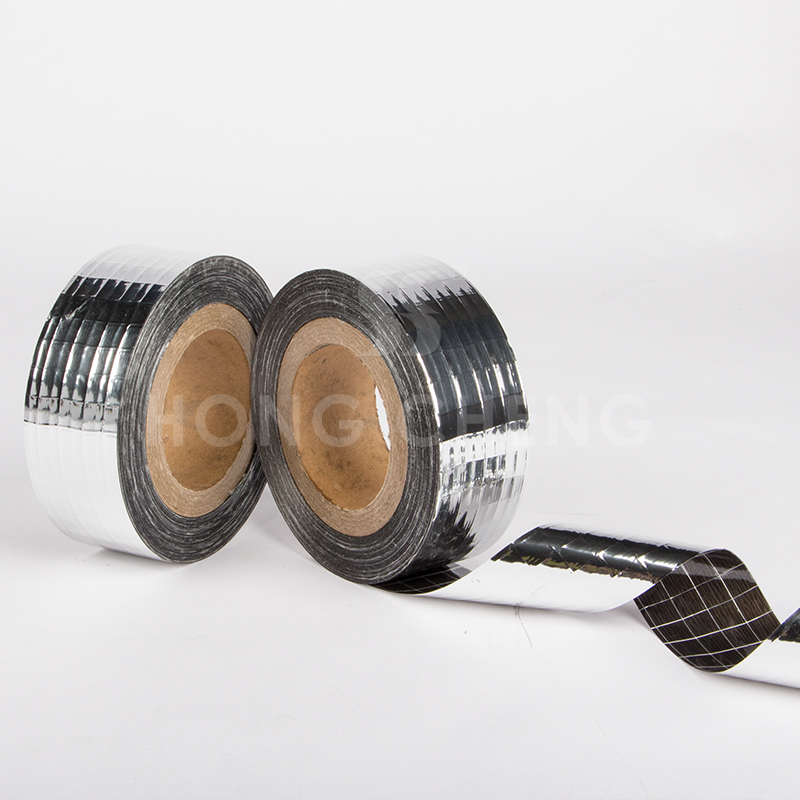
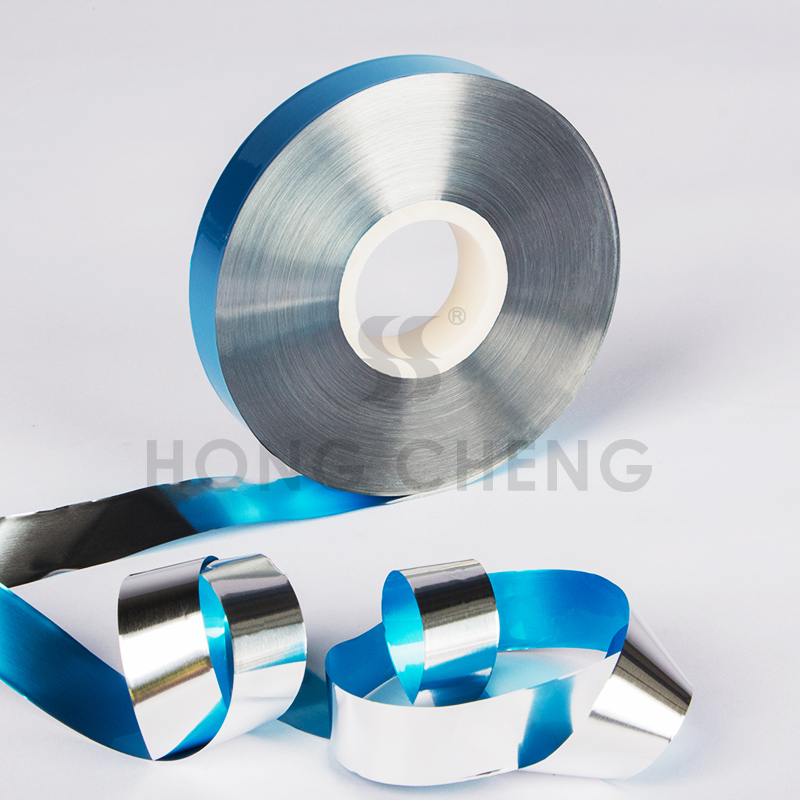
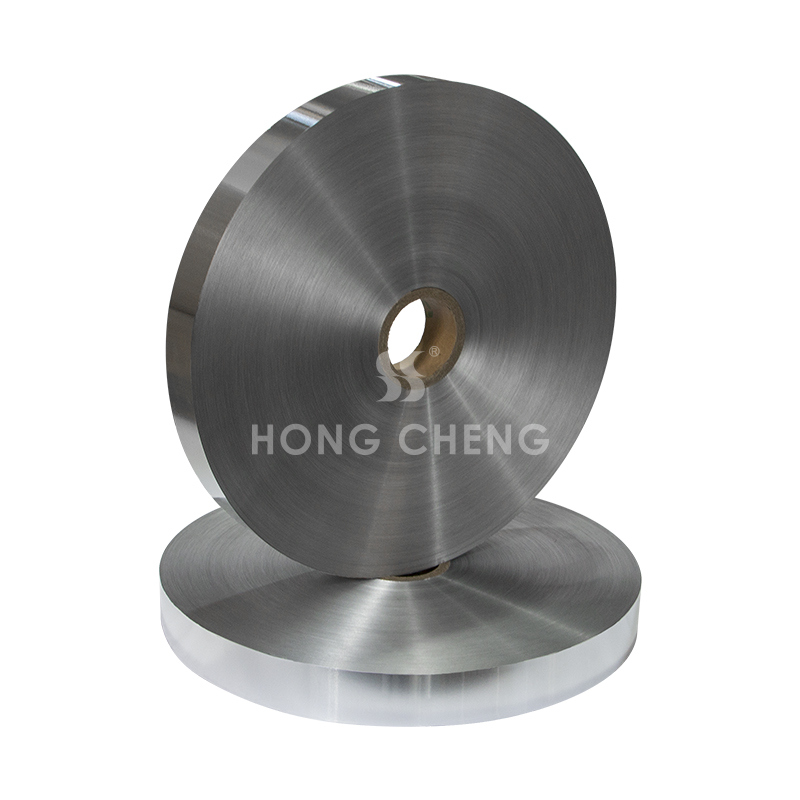
An aluminum foil fiberglass composite shielding tape consists of an aluminum foil layer serving as the conductive EMI shield, laminated to a woven fiberglass fabric that functions as the reinforcing substrate. Compared with standard aluminum foil polyester (AL/PET) shielding tapes, the fiberglass-based composite offers a decisive thermal advantage — the glass fiber substrate can withstand continuous operating temperatures above 200°C, far exceeding the approximately 120°C thermal stability ceiling of PET film. This high-temperature capability makes it particularly well-suited for demanding applications such as petroleum refining, chemical reactor vessel tracing, and steam-traced pipelines.
In terms of shielding effectiveness, aluminum foil fiberglass composite tapes deliver attenuation exceeding 40 dB across the 30 MHz to 1 GHz frequency range, providing robust suppression against variable-frequency drive (VFD) harmonic interference, motor inrush surges, and other electromagnetic noise sources commonly encountered in industrial environments. Furthermore, the woven structure of the fiberglass fabric imparts excellent flexibility and mechanical toughness, enabling the tape to withstand spiral wrapping, pipe bending, and long-distance cable pulling operations without tearing or wrinkling — a critical requirement for large-scale pipeline heat tracing projects.
From the supply chain perspective, the number of manufacturers capable of consistently delivering high-quality aluminum foil fiberglass composite shielding tapes remains limited. The production process involves three coordinated stages — aluminum foil rolling, fiberglass fabric weaving, and lamination — each demanding tight control over parameters such as foil thickness uniformity (typically 7 μm to 25 μm), fiberglass warp and weft density, and interlayer peel strength. In China's Yangtze River Delta region, specialized aluminum foil composite manufacturers like Hangzhou Hongcheng Technology have established integrated production capabilities spanning from aluminum foil substrate processing to fiberglass lamination, offering customized solutions with adjustable foil thickness, fiberglass weight, and roll width.
Market dynamics are also shifting notably. Over the past two years, driven by global energy security concerns, investment in oil and gas pipeline projects across the Middle East and Southeast Asia has continued to intensify, generating a wave of export orders for explosion-proof EHT systems. In this export cycle, aluminum foil fiberglass shielding tapes compliant with IEC 60800 (heating cables) and EU RoHS/REACH requirements are increasingly preferred by overseas buyers. This trend is pushing domestic material suppliers to accelerate certification efforts — companies such as Hongcheng Technology are actively pursuing UL certification and CE compliance testing to meet the access requirements of European and North American engineering projects.
Looking ahead to the second half of 2026, the continued rollout of large-scale integrated refining and petrochemical complexes, LNG storage and transportation infrastructure, and clean heating retrofit programs in northern China is expected to further elevate EHT system installations, sustaining robust demand for aluminum foil fiberglass composite shielding tapes. For cable manufacturers and EHT system integrators, securing partnerships with material suppliers that offer consistent quality and recognized certifications will be a critical step in building supply chain resilience.
Contact Us Tel/WhatsApp: +86 13758223270 Email: wendy@hcdxcl.com.cn
VMPET Metalized Film in HVAC Flexible Duct: Advantages & Selection Guide
Woven Aluminum Foil Composite for Vacuum Packaging: A Technical Selection Guide