How to Choose Aluminum Mylar Tape for Automotive Wiring Harness Shielding
The rapid growth of new energy vehicles and intelligent connected vehicles has made automotive electrical architectures increasingly complex. The number of high-voltage harnesses, signal harnesses, and sensor harnesses continues to rise, bringing electromagnetic compatibility (EMC) challenges to the forefront. Aluminum mylar tape, also known as AL/PET automotive-grade shielding tape, is a key material for addressing electromagnetic interference in wiring harnesses. For procurement professionals, selecting the right material based on specific application scenarios directly affects the stability and safety of the vehicle's electrical system.
1. Material Structure: The Logic Behind Aluminum Foil and PET Film
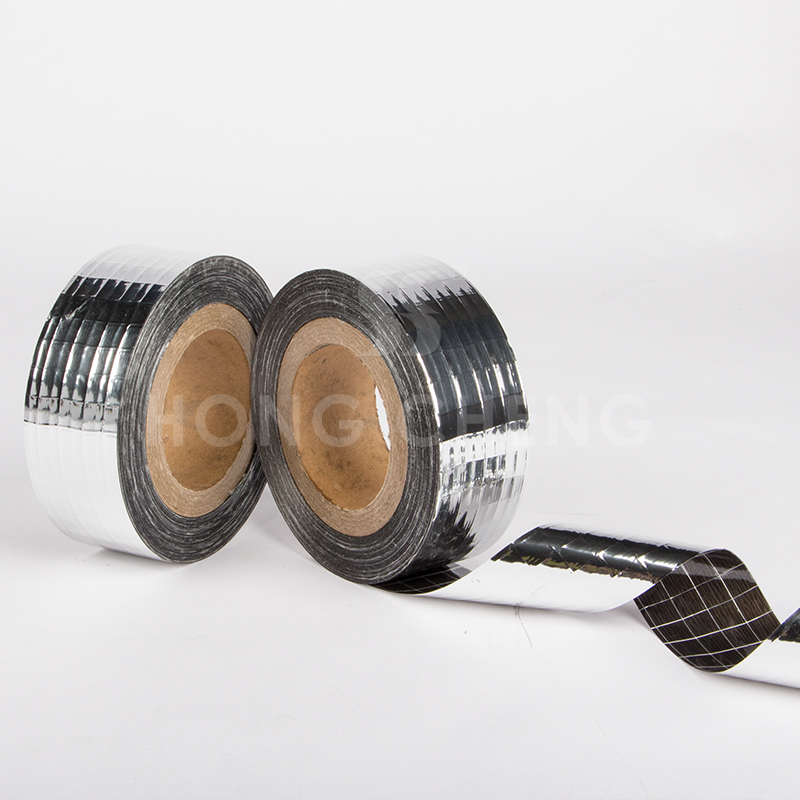
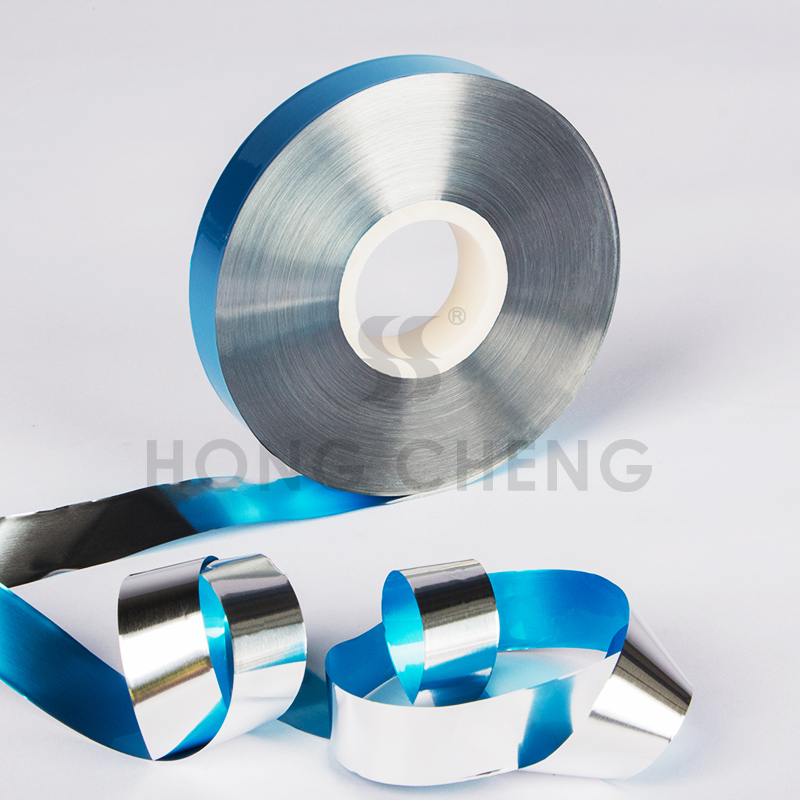
Aluminum mylar tape is typically a composite of aluminum foil and PET polyester film. The most common structures are single-sided aluminum foil and double-sided aluminum foil. Single-sided AL/PET shielding tape offers a lower cost and is suitable for general signal harness shielding. Double-sided structures provide higher shielding effectiveness and are often used for high-voltage harnesses or areas with stricter shielding requirements.
Aluminum foil thickness usually ranges from 7 microns to 25 microns. Thicker foil improves shielding performance but reduces flexibility and increases weight. The PET layer mainly provides electrical insulation, mechanical support, and protection, while also influencing the temperature rating and mechanical strength of the tape. Some automotive-grade products include a hot-melt adhesive layer on the surface to bond tightly with the harness jacket or insulation layer, improving process adaptability.
2. Electrical Performance: Shielding Effectiveness and Impedance Matching
The core purpose of automotive wiring harness shielding is to suppress electromagnetic interference and ensure signal transmission integrity. The shielding effectiveness of aluminum mylar tape is usually evaluated by surface resistance and shielding attenuation. Lower surface resistance means better electrical continuity and more stable shielding performance.
In practice, high-frequency signal harnesses require greater attention to shielding tape coverage and overlap methods, while low-frequency power harnesses focus more on current surge resistance. For high-voltage harnesses in new energy vehicles, it is also necessary to consider the combined use of aluminum foil and braided shielding mesh to meet the shielding targets specified by vehicle manufacturers.
3. Appearance Quality: Pinholes, Wrinkles, and Slitting Accuracy
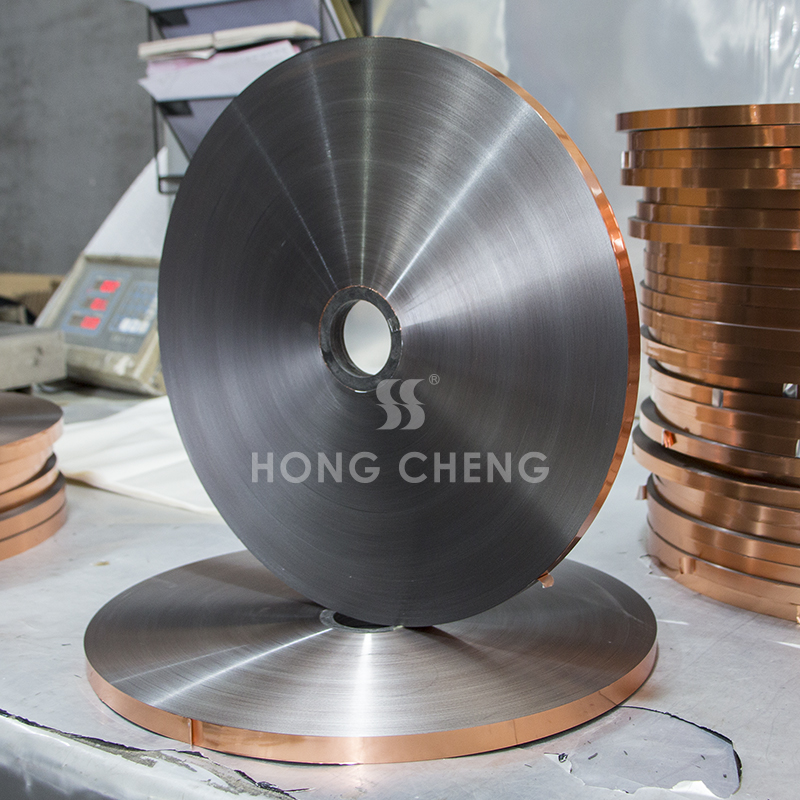
Since aluminum mylar tape is used as a continuous roll, its appearance quality directly affects the running efficiency of subsequent high-speed wrapping equipment. Procurement teams should focus on several key points: the number of pinholes in the aluminum foil layer, since excessive pinholes reduce shielding continuity; whether bubbles or delamination exist between composite layers; and the slitting accuracy of the roll, including width tolerance and edge flatness.
At Hongcheng Technology, tension automatic control systems are used during the laminating and slitting processes of aluminum foil composite materials. This ensures uniform thickness and neatly wound rolls, meeting automotive harness customers' strict requirements for material consistency.
4. Production Adaptability: Wrapping Speed and Hot-Melt Adhesive Process
Automotive wiring harness production mostly relies on high-speed automated wrapping. Shielding tape needs good flexibility and an appropriate coefficient of friction. Materials that are too stiff tend to crack or wrinkle during wrapping, while overly soft materials may cause tension instability and affect wrapping tightness.
AL/PET shielding tape with a hot-melt adhesive layer forms a stable bond with the harness insulation layer after heating, making it suitable for applications requiring high reliability. When selecting materials, procurement should confirm parameters such as adhesive softening point and peel strength with the supplier, and ensure they match the temperature window of the production line.
5. Certification Compliance: Entry Requirements for the Automotive Industry
Automotive wiring harness materials face much higher reliability and consistency requirements than ordinary consumer electronics. Most major automotive manufacturers require suppliers to provide IATF 16949 quality management system certification. Some customers also require material-level environmental compliance reports such as RoHS and REACH, as well as flame retardancy and oil resistance test reports.
During the selection phase, procurement professionals are advised to include certification documents in the supplier evaluation system to avoid project delays caused by qualification issues later on.
6. Supply Chain and Cost: Stable Supply and Reasonable Pricing
Automotive wiring harness projects typically have long lifecycles, from sample trials to mass production often taking several months to over a year. Therefore, supplier production capacity stability, raw material inventory, and delivery responsiveness are all critical.
Aluminum foil and PET film prices are affected by fluctuations in commodity markets. Procurement teams can control costs through long-term agreements or phased price locking. At the same time, aluminum foil thickness should be selected based on actual harness specifications to avoid unnecessary costs caused by over-design.
7. Application Summary
Aluminum mylar tape is mainly used for shielding protection in engine compartment harnesses, chassis harnesses, high-voltage power harnesses, and high-frequency signal harnesses in vehicle cabins. As high-voltage platforms and intelligent driving systems in new energy vehicles continue to evolve, market demand for automotive-grade AL/PET shielding tape is expected to keep growing.
Hangzhou Hongcheng Technology Co., Ltd. has long focused on the research, development, and production of aluminum foil composite materials and PE laminated composite materials. We provide the automotive wiring harness industry with reliable AL/PET shielding tape and aluminum mylar tape, supporting customized widths, thicknesses, and composite structures according to customer drawings.
For more product information or sample requests, please contact us: Phone/WhatsApp: +86 13758223270 Email: wendy@hcdxcl.com.cn
How to Choose AL/PE Duct Facing Thickness & Structure: A Buyer's Guide
Aluminum Foil Composite Lining Films for Bags: A Material Guide from Cooler Bags to Outdoor Backpacks