How to Choose Floor Heating Insulation Film
Choosing the right floor heating insulation film is crucial for improving heating efficiency and reducing energy consumption. It can not only reduce the invalid loss of heat, make the indoor temperature reach a comfortable state faster, but also save a lot of energy costs for users in long - term use. Here are the key selection points:
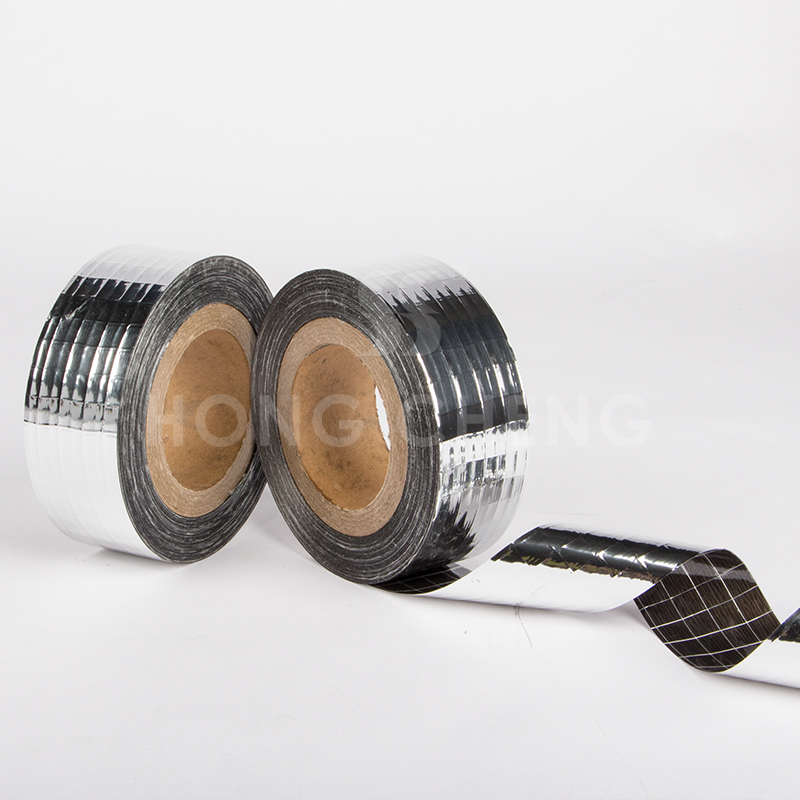
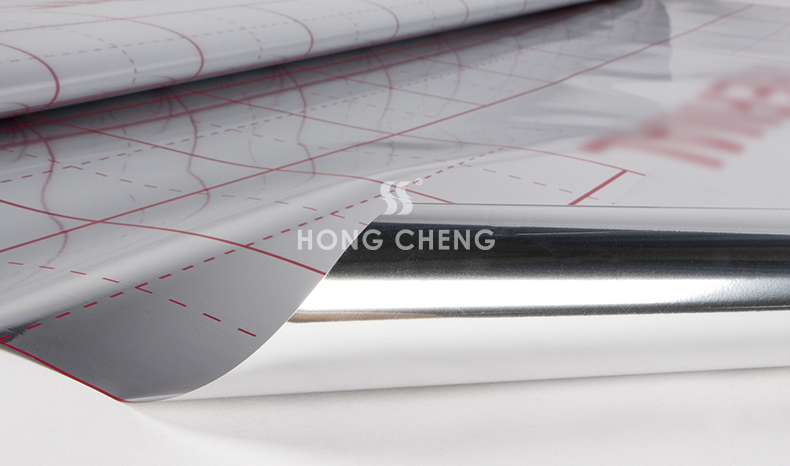
Material is the primary consideration. XPE material insulation film has excellent thermal insulation performance. Its closed - cell structure is like a series of closely arranged small barriers, which can effectively block the penetration of heat into the ground. Moreover, this material is environmentally friendly and non - toxic, with no pungent smell, and is very suitable for families with the elderly, children or high environmental requirements. EPE material is light in weight, like a soft cushion, and its cost is relatively low. Although its thermal insulation effect is slightly inferior to XPE, it has high cost - performance in some areas where the thermal insulation requirements are not particularly high, such as part of the living room, and is suitable for users with limited budgets. Aluminum foil material, with good heat reflectivity, can reflect heat back into the room like a mirror, greatly accelerating the heating speed. It is a good choice for places that want to get warm quickly after turning on the floor heating, such as bathrooms and bedrooms.
The thermal insulation performance can be judged by the thermal conductivity. The lower the value, the better the thermal insulation effect. Generally speaking, the thermal conductivity of high - quality insulation film should be lower than 0.04W/(m·K), which means that the heat passing through per square meter in unit time is very small, and it can significantly reduce the heat transfer to the floor or below the ground. In actual tests, the insulation film meeting this standard can reduce the heat loss of the floor heating system by more than 30%, leaving more heat indoors.
Moisture resistance cannot be ignored. When the floor heating system is running, the air temperature around the pipes rises, which is easy to produce condensed water and form moisture. If the moisture resistance of the insulation film is poor, moisture will penetrate into the insulation film, causing damage to its structure, such as mildew and aging, which seriously affects the service life. Products with waterproof coating or special moisture - proof structure should be selected. For example, the insulation film covered with a layer of dense polyethylene film on the surface can effectively block the invasion of moisture and ensure stable operation in a humid environment.
Temperature resistance is also crucial. Different floor heating systems have different working temperatures. The temperature of water floor heating is usually 40 - 60℃, and the local temperature of electric floor heating may be higher, even reaching more than 70℃ due to different heating principles. The insulation film must be able to withstand the corresponding temperature without deformation or cracking. If the temperature resistance is insufficient, the insulation film may shrink, wrinkle and other phenomena under long - term high temperature, thus losing the thermal insulation effect. Therefore, when choosing, we must check the temperature resistance parameters of the product to ensure that it matches the floor heating system.
The thickness and flexibility should be moderate. Too thin insulation film is like a piece of thin paper, which is difficult to form an effective thermal insulation barrier and may affect the thermal insulation effect; too thick will increase the laying height of the ground, and may be difficult to bend due to being too hard during laying, increasing the laying difficulty. The insulation film with good flexibility is more convenient to fit the radian and corners of the ground. For example, in irregular areas such as wall corners and around pipes, it can fit closely, reducing wrinkles and damage during laying, and ensuring the integrity of thermal insulation.
Environmental protection cannot be ignored. As a material laid under the ground, if the insulation film contains harmful substances such as formaldehyde and benzene, it will be slowly released in long - term use, affecting indoor air quality and threatening human health. Products that meet national environmental protection standards should be selected. Check whether there are environmental protection certifications, such as China Environmental Labeling Product Certification, to ensure that the environmental performance of the products meets the standards.
Finally, consider the brand and after - sales service. Products of well - known brands have stricter quality control systems in the production process, with more standardized raw material selection and production process control, so the product quality is more guaranteed. Moreover, these brands can usually provide perfect after - sales support. If there are product quality problems, they can timely return or exchange goods or provide maintenance services. It is suggested to conduct market research, choose brands with good market reputation and high user evaluation, and also consult friends who have used floor heating insulation films around to get real use experience and brand recommendations.
Only by combining the above factors with their own use needs, house structure characteristics and budget, can we select the most suitable floor heating insulation film, ensure the efficient and stable operation of the floor heating system, and let users enjoy a comfortable and warm living environment in the cold winter.
Differences Between LDPE and HDPE
How to Distinguish the Quality of Roof Insulation Aluminum Foil