A Major Breakthrough in Kraft Paper Composite Aluminum Foil Process
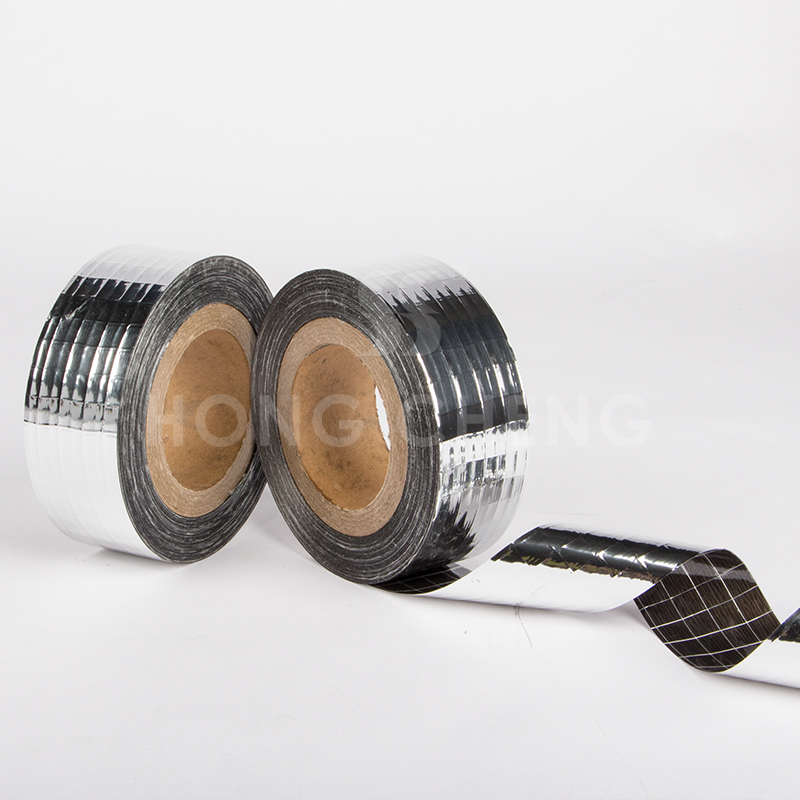
Recently, Hangzhou Hongcheng Technology Co., Ltd. has achieved a major breakthrough in the kraft paper composite aluminum foil process, marking a significant leap forward in sustainable packaging technology. This innovation not only addresses long-standing limitations in traditional composite methods but also aligns with the global shift toward eco-friendly materials, bringing new development opportunities to the packaging and related industries.
As a high-performance composite material, kraft paper composite aluminum foil has seen soaring market demand in recent years, with a compound annual growth rate of 12% since 2020. It uniquely combines the toughness and biodegradability of kraft paper—derived from renewable wood pulp—with aluminum foil’s exceptional barrier properties (oxygen transmission rate <0.1cc/㎡·day), moisture resistance (water vapor transmission rate <0.3g/㎡·day), and heat sealability. This synergy has made it indispensable in premium packaging for organic snacks, pharmaceutical blister packs, and electronic component casings. For instance, luxury chocolate brands using this material report a 40% extension in shelf life compared to plastic-only packaging, while reducing their carbon footprint by 25%. However, traditional composite processes have struggled to balance performance and sustainability: glue-based lamination often introduces volatile organic compounds (VOCs) and weakens at high temperatures, while simple heat bonding frequently results in uneven adhesion and delamination under humid conditions.
The R&D team at Hangzhou Hongcheng Technology Co., Ltd. spent three years developing their innovative composite process, filing five patents in the process. Departing from conventional glue bonding or basic thermal fusion, the new technology employs an advanced hot-press lamination system with precision temperature gradient control. The process involves three key stages: first, pre-treating the kraft paper with a low-temperature plasma (150-200W) to create micro-porous surfaces that enhance mechanical interlocking; second, heating food-grade aluminum foil (6-9μm thick) to 120-140°C—just below its annealing point—to maintain barrier integrity; and finally, applying a multi-zone pressure system (0.4-0.6MPa) with variable dwell times (3-5 seconds) across the material web. This ensures uniform bonding even at the edges, where traditional processes often fail.
The advantages of this breakthrough are multifaceted and quantifiable. In bonding strength tests, the composite material withstands tensile forces of up to 3.2N/15mm—50% higher than industry standards—remaining intact even after 500 cycles of flexing, a critical metric for packaging that undergoes repeated handling. Weather resistance trials conducted in extreme environments validate its durability: exposure to 60°C heat for 1,000 hours causes no delamination, while 95% humidity testing over 30 days results in zero bubble formation on the kraft paper surface, a common flaw in glue-bonded alternatives. Production efficiency has also been revolutionized: the continuous inline process achieves speeds of 80 meters per minute, cutting cycle times by 30% compared to batch processing methods, while reducing energy consumption by 22% through heat recovery systems. These improvements translate to a 15% lower per-unit cost, making high-performance eco-packaging accessible to mid-range brands.
Beyond technical specifications, the innovation addresses pressing industry challenges. Traditional glue-based composites often fail food safety standards due to residual solvents; Hangzhou Hongcheng’s solvent-free process meets FDA 21 CFR 177.1390 and EU 10/2011 requirements, with heavy metal levels below 0.01mg/kg—critical for direct food contact applications. In pharmaceutical packaging, the material’s enhanced puncture resistance (12N) prevents accidental tearing, a vital feature for protecting sterile medications. For electronics, the composite’s dielectric strength (25kV/mm) provides superior protection against electrostatic discharge, reducing component failure rates by 18% during transportation.
Market response has been enthusiastic. A leading organic tea brand that adopted the material reports a 27% reduction in customer complaints related to moisture damage, while a pharmaceutical company notes that their blister packs now pass accelerated aging tests (40°C/75% RH for 6 months) with 98% integrity, up from 82% with previous packaging. Environmental benefits are equally compelling: the kraft paper component is FSC-certified and biodegradable within 180 days, while the aluminum foil layer—thinner than conventional grades—reduces metal usage by 12% and is fully recyclable through existing aluminum recycling streams. A life cycle assessment conducted by a third-party lab shows a 35% lower carbon footprint compared to PET-aluminum composites.
The person in charge of Hangzhou Hongcheng Technology Co., Ltd. emphasized: "This breakthrough reflects our philosophy of 'sustainability through precision.' By reimagining the composite process from the molecular level, we’ve created a material that doesn’t force brands to choose between performance and environmental responsibility. Our pilot production line, with a capacity of 500 tons per month, is already operating at 80% capacity, and we plan to triple output by 2026 to meet demand from North American and European markets."
Looking ahead, the technology’s modular design allows for easy integration of additional functionalities. Trials with antimicrobial coatings (silver zeolite) have shown promise for extending the shelf life of fresh produce, while UV-blocking additives could expand applications in sunscreen packaging. The company is also exploring hybrid versions using recycled kraft paper, aiming to further reduce environmental impact without compromising strength.
As regulatory pressures for sustainable packaging intensify—with the EU’s plastic ban and China’s dual-carbon goals—Hangzhou Hongcheng’s innovation arrives at a pivotal moment. By demonstrating that eco-friendly materials can outperform traditional alternatives, this breakthrough is poised to redefine industry standards, driving broader adoption of responsible packaging solutions across global supply chains.
How to identify the quality of kraft paper composite aluminum foil?
Diverse Applications and Market Potential of AL+PET Composite Aluminum Foil in Industrial Packaging and Thermal Insulation Fields