Why Metallized Film Woven Fabric Lining Is Becoming the Standard for Luggage
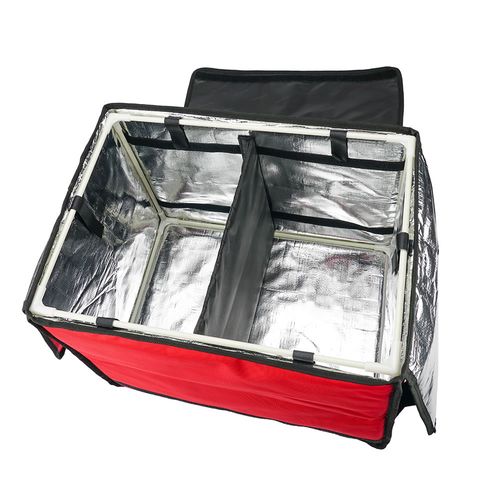
Over the past two years, luggage, sport bags, tool bags and briefcases have been undergoing a clear material upgrade. Traditional non-woven fabric, PU-coated polyester and PVC film remain common, yet their shortcomings in stiffness, tear resistance, moisture protection, environmental compliance and export certification are becoming increasingly difficult to ignore. Metallized film woven fabric composite lining is now emerging as the mainstream choice for bag manufacturers serving cross-border e-commerce, air travel and outdoor applications.
1. Why Metallized Film Woven Fabric?
The core requirements for bag lining can be summarized in four words: stiff, tough, light, and barrier. The lining material must provide sufficient stiffness to support the bag shape, sufficient tear resistance to withstand loading and handling, low weight to meet airline limits, and moisture barrier to protect contents.
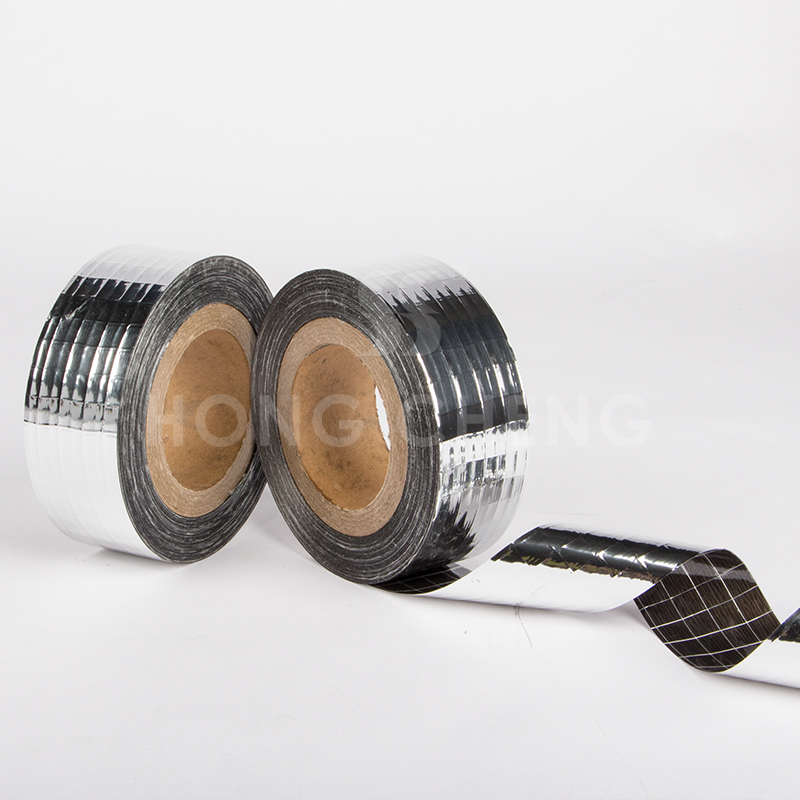
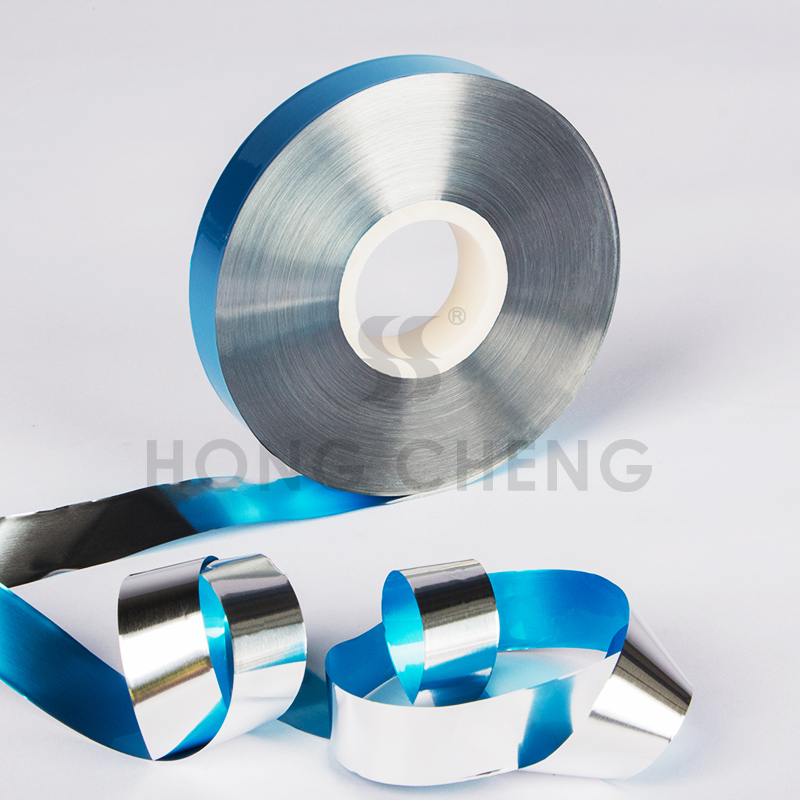
Metallized film woven fabric composite achieves a balance across all four dimensions. Its typical structure consists of VMPET (vacuum-metallized polyester film) laminated to PP or PE woven fabric through a PE hot-melt adhesive layer, forming a two- or three-layer composite. The woven fabric layer provides tensile strength and tear resistance in both machine and cross directions. The metallized film layer provides moisture barrier and thermal radiation reflectivity while delivering a metallic surface appearance that meets the aesthetic expectations for bag interiors.
By comparison, traditional non-woven lining lacks stiffness and tends to pill and deform with extended use. PU-coated polyester offers good hand feel but carries a high basis weight (80–120 g/m²), and solvent residues are a focus of export testing. PVC film is increasingly restricted in the EU and North American markets due to plasticizer migration. Metallized film woven fabric composite typically controls basis weight at 60–100 g/m², balancing lightweight performance with structural strength.
2. Core Performance Advantages
Tensile and Tear Strength
The warp and weft yarn structure of woven fabric gives the composite excellent mechanical properties. For a common specification (woven fabric 60 g/m² + VMPET 12 µm + PE adhesive), the machine-direction tensile strength can reach 400–600 N/50 mm, and tear strength can reach 15–25 N, far exceeding non-woven or pure film lining materials. This means that under full-load conditions, the lining is resistant to rupture and delamination.
Moisture Barrier
The VMPET metallized layer typically achieves a water vapor transmission rate (WVTR) below 1.0 g/m²·24h, far superior to non-woven and PU-coated materials. For travel suitcases, electronics bags and tool cases that require moisture protection, this performance is particularly important. During transoceanic transport or in high-humidity environments, metallized film woven fabric lining effectively prevents moisture damage to contents.
Surface Aesthetics and Processing Compatibility
The metallized film surface presents a silver-white metallic luster, visually clean and suitable for mid-to-high-end bag brands that demand interior aesthetics. The composite can be bonded to outer shell materials through heat sealing, sewing, or ultrasonic welding, offering broad processing compatibility. Roll widths can be customized (commonly 1000–1600 mm), allowing bag factories to optimize nesting for specific bag dimensions and reduce edge waste.
Environmental Compliance
Metallized film woven fabric composite is primarily produced with PE hot-melt adhesive, avoiding solvent-based adhesives and keeping VOC emissions low. Both VMPET and woven fabric substrates can pass REACH, RoHS and OEKO-TEX related tests, meeting the restricted substance limits for bag materials in European and American markets.
3. Three Common Procurement Mistakes
Mistake 1: Judging quality by woven fabric weight alone
Woven fabrics with the same nominal 60 g/m² weight can differ by 30% or more in actual strength due to differences in weaving density (yarn count per inch). When purchasing, always request tensile strength test reports and evaluate weight, weaving density, and yarn specifications together, rather than relying on weight alone.
Mistake 2: Assuming thicker metallized film is better
VMPET metallized layer thickness is typically measured by light transmittance or surface resistivity, not simply in microns. Excessive metallization increases cost without linearly improving barrier performance and can make the film brittle after lamination. For bag lining applications, 12 µm PET substrate with standard metallization (light transmittance < 5%) is sufficient.
Mistake 3: Ignoring roll width optimization
Roll width directly affects production utilization. Standard widths of 1200 mm or 1500 mm may not match specific bag dimensions. Custom widths can reduce edge waste from 15% to below 5%. Before ordering, confirm the customizable width range and minimum order quantity with the supplier.
4. Market Trends: Functional Lamination and Lightweighting
The next evolution of bag lining materials is moving in two directions. One is functional lamination: adding flame-retardant, antimicrobial, or antistatic layers to the metallized film woven fabric structure to meet the specialized needs of aviation cases, medical bags, and precision instrument bags. The other is further lightweighting: by optimizing yarn fineness and weaving density, basis weight can be reduced by 10–15% without sacrificing strength, helping luggage brands address airline weight restrictions. For export-oriented bag brands, recyclable substrates and low carbon footprint are also becoming mandatory items in procurement audits by major European and American buyers.
Hangzhou Hongcheng Technology Co., Ltd. specializes in aluminum foil composite materials and PE laminated composite materials. We provide customized rolls of metallized film woven fabric composite lining, VMPET woven cloth laminate, and aluminum foil woven fabric composite film, with options for roll width, thickness, weaving density, and peel strength tailored to your application. Our products are suitable for travel suitcases, sport bags, tool bags, briefcases, and instrument cases. Samples and technical data sheets are available on request.
About Hangzhou Hongcheng Technology
Hangzhou Hongcheng Technology Co., Ltd. focuses on the research, development and production of aluminum foil composite materials and PE laminated composite materials. Core products include metallized film woven fabric composite film, aluminum foil PE composite film, PET/AL/PE tri-layer composite film, non-woven aluminum foil and kraft paper aluminum foil, widely used in luggage lining, cooler bags, industrial packaging, building insulation, cable shielding and ventilation duct applications. With integrated lamination, slitting and coating lines, we support custom widths, thicknesses and peel strengths, providing stable and traceable raw material supply to customers worldwide. If you are looking for a luggage lining film supplier, please contact us for samples and quotation.
+86 13758223270 Email: wendy@hcdxcl.com.cn
Techfoil — Raw Material Solutions for Aluminum Foil and PE Laminated Composites
Motor Lead Wire Foil Shielding Tape: High-Temperature AL/PET Trends and Selection Guide
Foil Bubble Insulation Selection Guide: How to Match Reflectivity and Bubble Structure to Your Application