Main Types and Application Characteristics of Air Duct Aluminum Foil
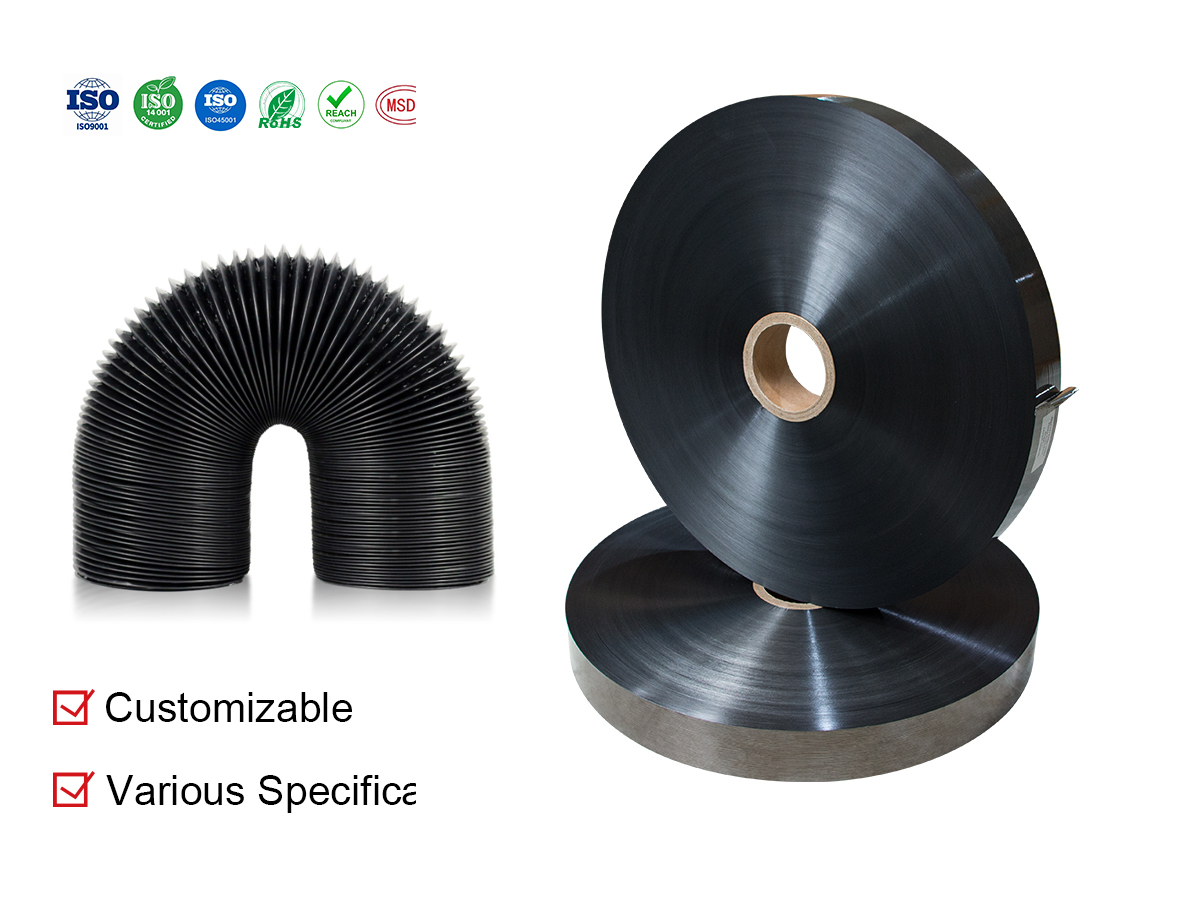
Air duct aluminum foil is a key thermal insulation and protective material in ventilation and air conditioning systems. Its core functions are to reduce cold/heat loss in the air duct, prevent condensation, and at the same time have moisture-proof, corrosion-resistant, sound-insulating and other properties. According to dimensions such as material composite form, aluminum foil thickness, and functional characteristics, air duct aluminum foil can be divided into multiple categories. Different categories have significant differences in performance and applicable scenarios, adapting to air duct insulation needs under different working conditions. The following is an analysis of the mainstream types and core characteristics of air duct aluminum foil on the market.
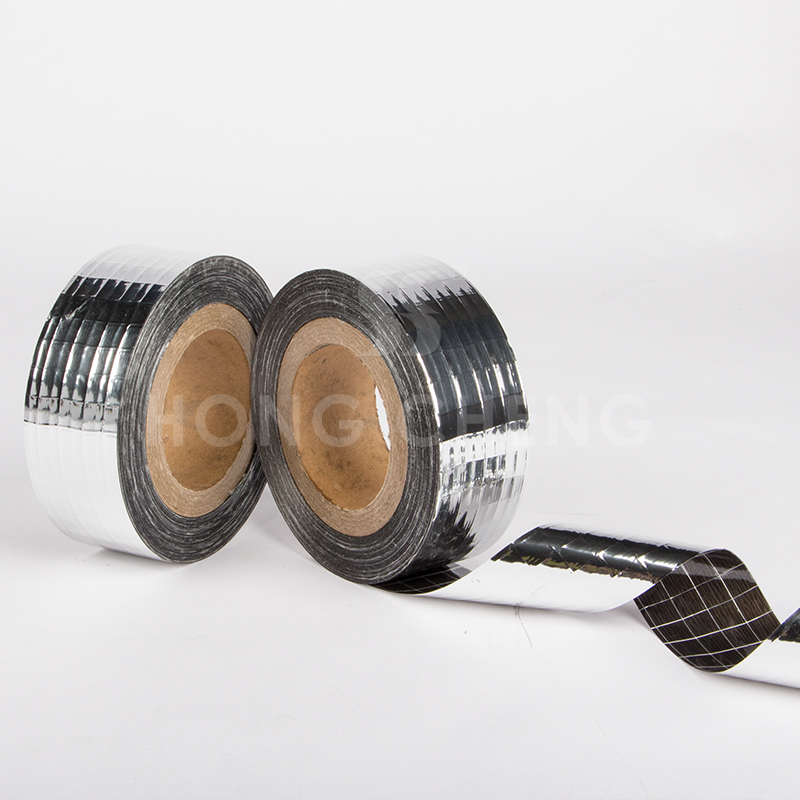
First, single-layer aluminum foil is the most basic type of air duct aluminum foil, mainly composed of pure aluminum foil with a thickness usually between 0.01-0.03mm. Relying on the high reflectivity and dense structure of aluminum foil itself, single-layer aluminum foil can effectively reflect heat and block water vapor, but it has weak physical strength, poor tear resistance and friction resistance, and is easy to be damaged during construction and use. Therefore, single-layer aluminum foil is mostly used for simple air duct insulation under indoor normal temperature and no complex working conditions, or as the base layer of composite aluminum foil, and is rarely directly used in outdoor, high-temperature and high-humidity environments or scenes with frequent personnel flow.
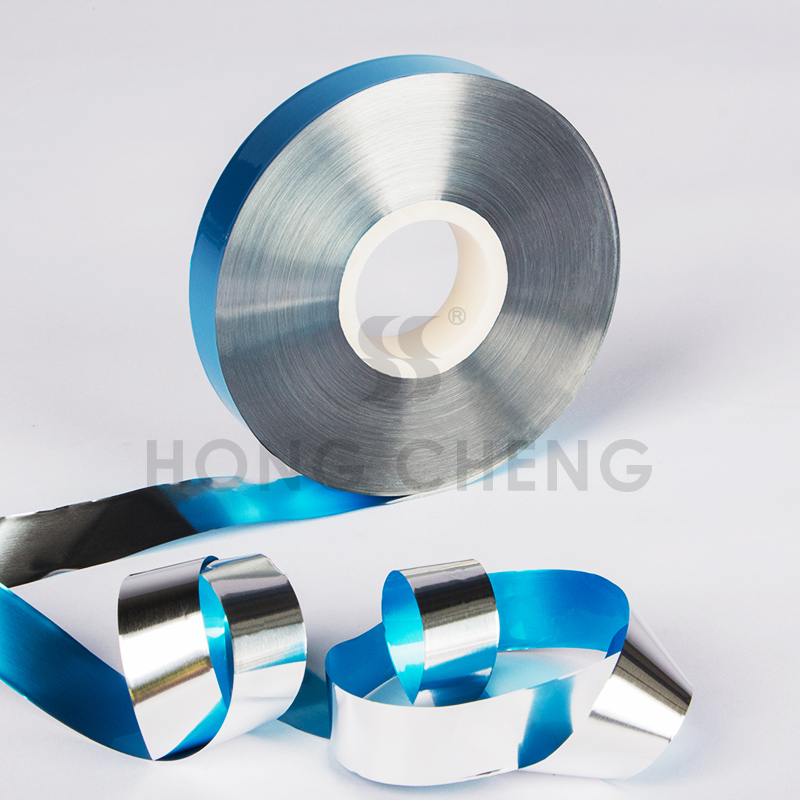
Aluminum foil composite PE film is one of the most widely used categories at present, which is formed by bonding aluminum foil and polyethylene (PE) film through a composite process. The addition of PE film significantly improves the flexibility and tear resistance of aluminum foil, and at the same time enhances the waterproof and moisture-proof performance, avoiding aluminum foil damage due to moisture and oxidation. This category can be divided into light-weight (PE film thickness 0.05-0.1mm) and heavy-weight (PE film thickness 0.1-0.2mm) according to the thickness of PE film. Light-weight is suitable for air duct insulation in ordinary civil buildings (such as residential and office building air conditioning ducts), while heavy-weight is suitable for air duct systems with large air volume and complex construction environments such as industrial plants and shopping malls, which can withstand stronger mechanical friction and stretching.
Aluminum foil composite PET film is a high-performance category for mid-to-high-end scenarios, with core advantages of high temperature resistance and strong dimensional stability. PET film (polyethylene terephthalate) has excellent high temperature resistance and can work stably in the environment of -40℃ to 120℃, far exceeding the temperature resistance range of PE film; at the same time, PET film has high hardness and good stiffness, which can effectively avoid the deformation of air duct aluminum foil during long-term use. This category is suitable for high-temperature air ducts (such as industrial hot air conveying air ducts), central air conditioning main unit connecting air ducts and other scenarios with high requirements for temperature resistance and stability, especially suitable for use in environments with large temperature fluctuations.
Aluminum foil composite OPE film is an upgraded category that enhances physical properties. OPE (oriented polyethylene) film is processed by stretching technology, and its molecular chains are arranged more orderly, making the tensile strength and tear resistance of the composite film 30% higher than that of ordinary aluminum foil composite PE film. In addition, OPE film has high surface gloss and excellent friction resistance, which can adapt to outdoor air ducts, high-altitude air ducts and other scenes vulnerable to environmental erosion, and is convenient for cutting and bonding during construction. This category is often used in large public buildings, rail transit, outdoor ventilation systems and other projects with high requirements for material strength and weather resistance.
In addition to the above mainstream categories, there are also functional composite aluminum foils, such as flame-retardant aluminum foil and antibacterial aluminum foil. Flame-retardant aluminum foil adds flame retardants to the substrate, which can effectively delay the spread of flames, and is suitable for air ducts in public places with high fire protection level requirements such as shopping malls, hospitals, and subways; antibacterial aluminum foil inhibits bacterial growth through surface coating treatment, and is suitable for ventilation systems with strict hygiene standards such as clean operating rooms and food processing plants.
When selecting air duct aluminum foil, it is necessary to make a comprehensive judgment based on factors such as the air duct use environment (temperature, humidity, whether outdoor), system pressure, and fire protection and hygiene requirements. For ordinary civil scenarios, aluminum foil composite PE film is preferred; for high-temperature and complex working conditions, aluminum foil composite PET film is suitable; for high-strength demand scenarios, aluminum foil composite OPE film is selected; for special functional needs, flame-retardant, antibacterial and other functional categories are selected targetedly to ensure the stability and service life of the air duct insulation system.
Aluminum-Plated Film Woven Cloth: The Preferred Packaging Solution for Elevator Guide Rails
Diverse Applications of Aluminum-Plastic Composite Film in the Thermal Insulation Industry