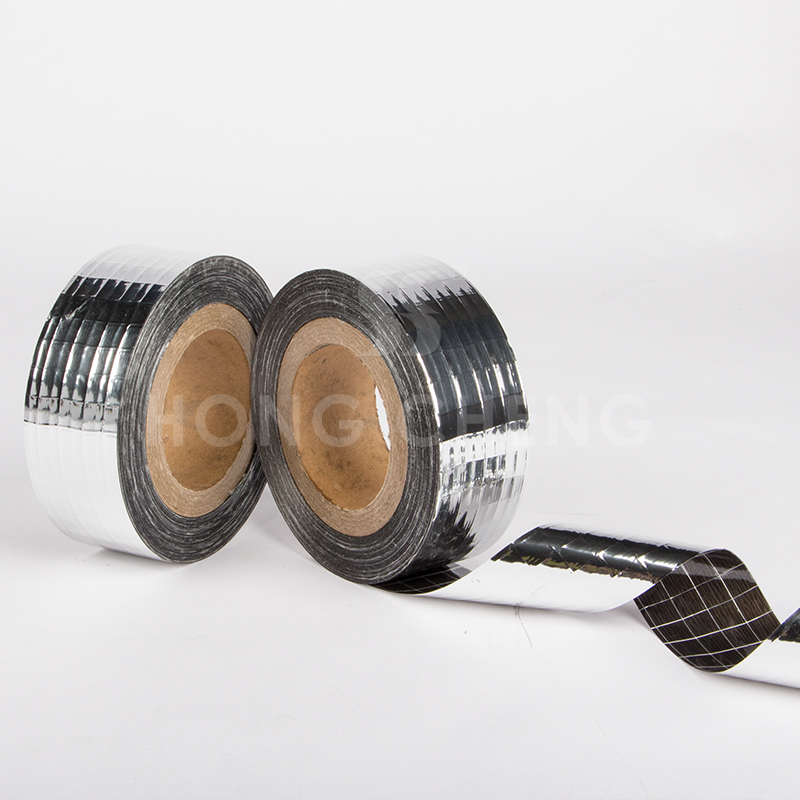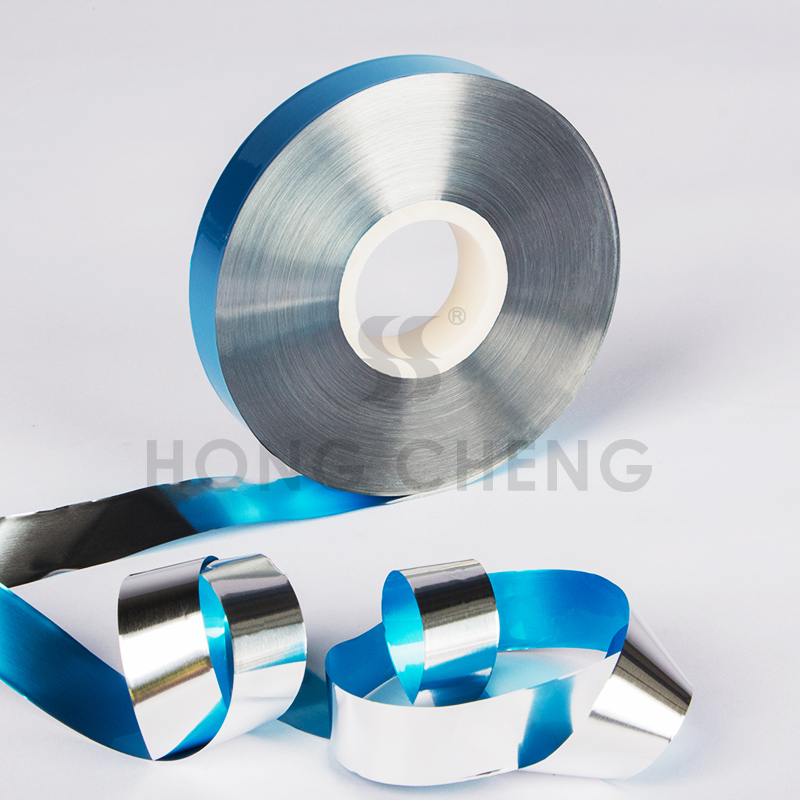
What is spooling aluminum foil and it's application?
2025-03-07
Spooling aluminum foil refers to the aluminum foil that is wound on a spool after being processed. It is made by melting and casting aluminum ingots, and then rolling them into thin sheets through a series of rolling processes. Finally, the aluminum foil is wound on a large stock coil and then unspooled, cut and spooled onto smaller spools. The applications of spooling aluminum foil are as follows:
Packaging Industry
- Food Packaging: It is widely used to wrap various foods like bread, cakes, and chocolate. It can isolate air, moisture and light, thus prolonging the shelf life of food and maintaining its flavor and freshness. For instance, chocolate wrapped in aluminum foil can avoid melting and flavor change caused by temperature and humidity. In addition, aluminum foil is often used to make food containers, such as aluminum foil lunch boxes and trays for baking, which have good heat resistance and can be directly put into ovens or microwave ovens.
- Pharmaceutical Packaging: It is used to package drugs, such as tablets and capsules. It can protect drugs from being affected by the external environment, prevent drug deterioration and ensure drug quality and safety.
Electrical and Electronic Industry
- Capacitors: Aluminum foil is an important material for making capacitors. The positive and negative electrodes of aluminum electrolytic capacitors are usually made of aluminum foil. Through processes like corrosion and chemical conversion, the surface area of the aluminum foil is increased, which improves the capacitance performance of the capacitor.
- Transformer Insulation: It is used as an insulating material in transformers. It can isolate different coils and layers, preventing electrical leakage and short circuits, and improving the safety and stability of transformers.
Construction Industry
- Thermal Insulation Materials: In the construction field, spooling aluminum foil is often used in the production of thermal insulation materials. It can be combined with other materials such as foam and glass wool to form thermal insulation boards and blankets, which have good thermal insulation and heat reflection effects and can reduce heat transfer and save energy.
- Waterproof Materials: It can be used as a waterproof layer in building roofs and basements. The aluminum foil has good impermeability and corrosion resistance, which can effectively prevent water seepage and prolong the service life of buildings.
Automobile Industry
- Heat Insulation and Sound Insulation: In the automotive interior, aluminum foil is used for heat insulation and sound insulation. For example, it is installed on the inner wall of the engine compartment and the door to reduce the transmission of heat and noise, improve the comfort of the car interior, and protect automotive components from high temperatures.
- Cable Protection: Automobile cables are sometimes wrapped with aluminum foil to play a role in shielding and protection, preventing electromagnetic interference and signal attenuation and ensuring the normal operation of the car's electrical system.
Spooling aluminum foil, produced via melting, casting, rolling and spooling processes, has diverse applications. In packaging, it preserves food freshness and ensures drug safety. In electronics, it’s vital for capacitors and transformer insulation. The construction industry uses it for thermal insulation and waterproofing. In automobiles, it aids heat/sound insulation and cable protection. Its versatility across these sectors stems from properties like barrier performance, heat resistance and conductivity.
What types of aluminum foil are there?
What are the properties and application scenarios of BOPP?