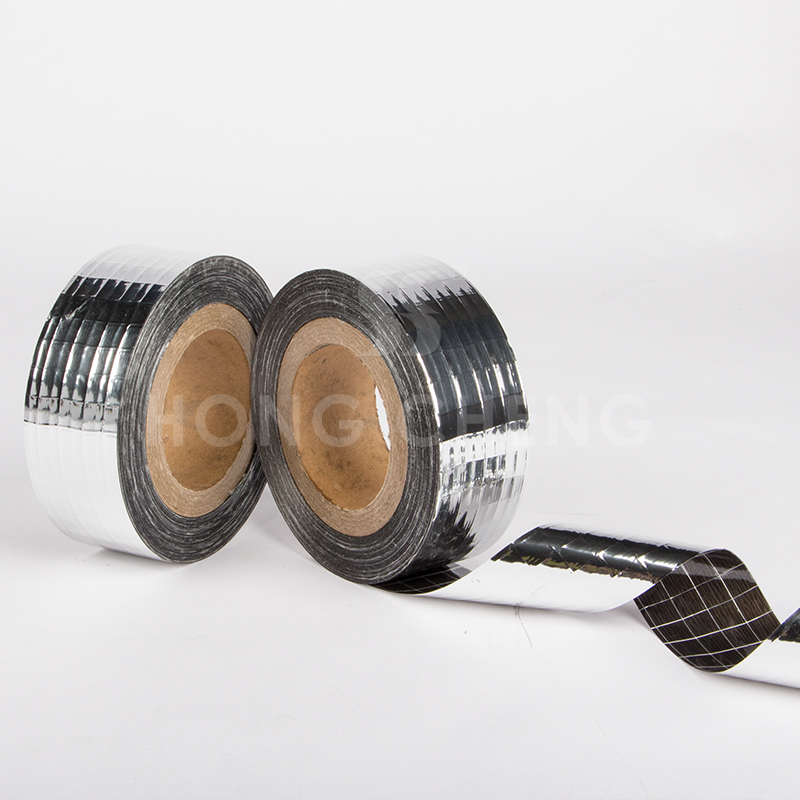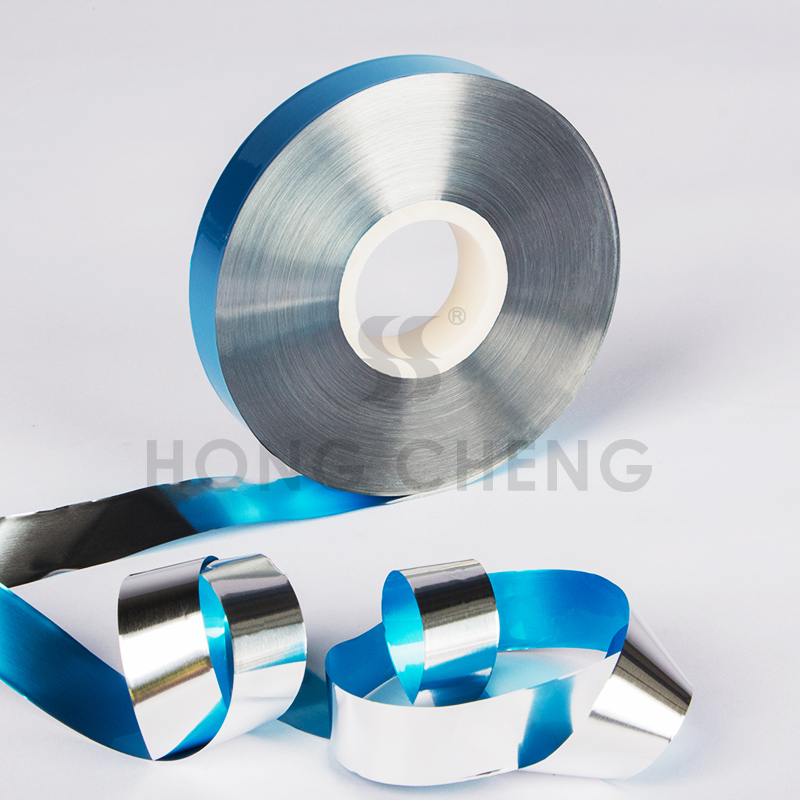
Tape-Specific Aluminum Foil Composite Film
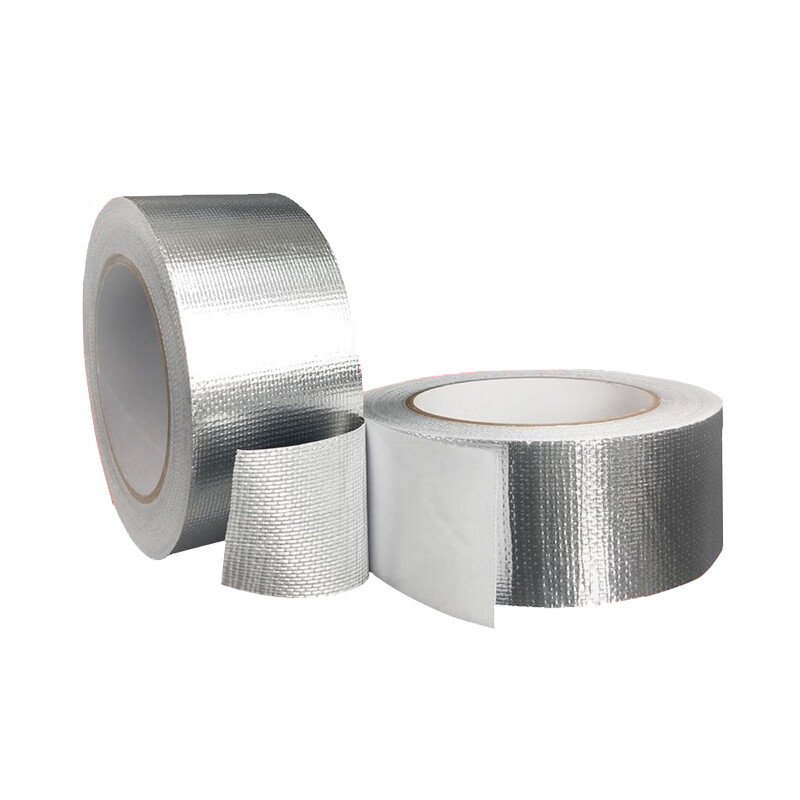
Driven by stricter environmental policies and the high-end demand of downstream adhesive (especially tape) industries, the aluminum foil composite film industry for adhesive products (with tape as the core) is experiencing structural growth. In 2024, the domestic market scale reached 583 million yuan, a year-on-year increase of 6.2%, and is expected to exceed 621 million yuan in 2025. Among them, high-performance composite films and supporting cast coating solutions have become core growth drivers, with the industry's technological explorations providing important references for product R&D and tape scenario implementation.
1. Technological Innovation: Focus on Performance Optimization and Environmental Upgrade of Tape-Specific Composite Films
The technological upgrading of aluminum foil composite films for adhesive products (tape-specific) centers on "adapting to tape production", with composite processes as the core, focusing on improving product adhesion, weather resistance, and environmental protection. Due to near-zero VOC emissions, water-based adhesives have increased their application ratio in the industry from 38% in 2023 to 45.3% in 2024. In the industry, in the application of water-based adhesive composite for tape-specific aluminum foil composite films, the aluminum-plastic composite strength is stably maintained above 3.8N/15mm through process optimization, adapting to scenarios with high requirements for substrate adhesion such as industrial tapes and packaging tapes, and gradually replacing traditional solvent-based composite products. The industry has further improved the moisture-heat resistance of composite films by adjusting the formula of two-component water-based adhesives. When placed in a 40℃/75%RH environment for 30 days, the attenuation rate of aluminum-plastic peeling strength is ≤5%, making it more suitable for tape applications in humid southern regions.
Targeting the core needs of tape production, composite film performance continues to break through: through substrate formula improvement, the peeling strength of tape-specific aluminum foil composite films can reach 19N/15mm, meeting the "no delamination" requirement of tapes during long-term use; the application of nano-coating technology reduces the aluminum layer thickness by 30% while maintaining excellent barrier properties (WVTR ≤0.04g/(m²·24h), OTR ≤4cc/(m²·24h)), which not only adapts to the lightweight requirement of tapes for substrates but also improves the moisture and oxidation resistance of tapes, especially suitable for long-term storage of food packaging tapes. Supporting cast coating processes have also been optimized simultaneously: the industry's cast coating process achieves precise control of coating amount (error ≤0.5g/㎡), saving 15% of raw materials compared to traditional processes, with film flatness error ≤0.02mm, ensuring uniform bonding between composite films and tape adhesives, avoiding uneven tape adhesion caused by uneven substrates, and improving the yield rate of tape production.
2. Application Expansion: Full-Scenario Coverage with Tape Products as the Core
The application of tape-specific aluminum foil composite films focuses on adhesive products, with scenarios continuing to deepen and segmented demands becoming prominent:
- Industrial Tape Field: Composite films as substrates are combined with acrylic and rubber-based adhesives to produce high-temperature resistant tapes that can withstand 160℃ environments, with adhesive retention rate exceeding 90% after 1000h UV irradiation. These tapes are suitable for automotive wiring harness fixing and high-temperature bonding of electronic components. In 2024, the market share of composite films supporting such industrial tapes reached 28%;
- Packaging Tape Field: Tape-specific aluminum foil composite films with PET/AL/PE structure maintain stable adhesion in humid environments (RH≥85%) due to high barrier properties, and support customization of slitting width (500-2000mm) and length (500-1000m/roll), adapting to the needs of different width tape production lines in e-commerce logistics and food packaging. Among them, composite films for food packaging need to additionally comply with the national food safety standard GB 4806.7-2016;
- Special Tape Field: In EMI shielding tapes, the shielding efficiency of aluminum foil composite films reaches over 30dB, which can be used for anti-interference of electronic equipment. The bonding strength between composite films and conductive adhesives is ≥8.5N/cm, meeting the electromagnetic compatibility requirements of 5G base stations and smart home devices. In 2024, the demand growth rate of composite films supporting special tapes reached 18%.
In emerging tracks, the performance requirements for composite films in new energy vehicle tapes have further upgraded: composite films supporting tapes for battery pack wiring harness fixing need to meet both long-term use at 120℃ and electrolyte immersion resistance (adhesion retention rate ≥85% after 72h immersion). In 2024, the market demand for such composite films increased by 120% year-on-year; in the consumer electronics field, the thickness of ultra-thin tape supporting composite films can now be less than 30μm. The industry has achieved uniform aluminum layer coverage on ultra-thin substrates through multi-layer composite process optimization, with flatness error ≤0.01mm, adapting to the precision bonding needs of microelectronic components such as smart watches and earphones.
The industry still faces pressures of raw material fluctuations and environmental protection equipment investment. The price fluctuation range of aluminum foil can reach 15%-20%, and the industry alleviates cost pressure by establishing strategic raw material reserve warehouses; at the same time, with the advancement of the "14th Five-Year Plan for Green Manufacturing System Construction", the popularization speed of environmental protection processes for tape-specific aluminum foil composite films will further accelerate. The industry has set an example in terms of VOC collection rate (over 98%) and wastewater treatment compliance rate (100%) by optimizing composite film production processes and upgrading cast coating environmental protection equipment, providing more suitable composite film solutions for the tape industry and helping adhesive products upgrade to green and high-performance.
A Promise Across Miles: Hangzhou Hongcheng Technology Pairs with Baiyu County for Rural Revitalization
How to Select Vacuum Aluminum Foil Composite Films for Pallets/Wooden Cases?