Technological Innovation in the Preparation of Aluminum - Plastic Composite Films: Unlocking New Paths for High - Performance Product Manufacturing
2025-05-05
In the field of new materials, aluminum - plastic composite films have become the focus of attention in many industries due to their unique performance advantages. However, traditional preparation processes have certain limitations in terms of production efficiency and product quality stability, making it difficult to meet the growing demands of the high - end market. In recent years, a series of important innovations have emerged in the preparation technology of aluminum - plastic composite films, opening up new paths for high - performance product manufacturing.
In terms of the composite process, the traditional dry - lamination technology has problems such as high energy consumption and solvent residues. The new solvent - free lamination technology has emerged as a result. This technology abandons the use of organic solvents and directly composites film materials such as aluminum foil, nylon, and CPP at room temperature through a special two - component adhesive. Compared with traditional processes, the solvent - free lamination technology not only eliminates the potential safety hazards caused by solvent residues but also significantly reduces energy consumption, increasing production efficiency by more than 30%. Taking a multi - layer composite structure as an example, by precisely controlling the composite pressure and temperature of each layer of film material, the peel strength of the aluminum - plastic composite film can be increased to more than 8N/15mm, and the heat - seal strength can reach 30N/15mm, significantly enhancing the comprehensive performance of the product.
In surface treatment technology, plasma treatment technology has become a key means to improve the performance of aluminum - plastic composite films. Plasma can activate the surface of the film material in an extremely short time, increasing the surface roughness and polar groups, and enhancing the adhesion between the film materials by 40% - 50%. For example, for aluminum - plastic composite films used in food packaging, after plasma treatment, their oxygen barrier performance is improved to below 5cm³/(m²·24h·0.1MPa), and the water vapor transmission rate is reduced to below 1g/(m²·24h), effectively extending the shelf life of food. In addition, nano - coating technology is also gradually applied to the preparation of aluminum - plastic composite films. By coating nano - scale inorganic or organic coatings on the surface of the film materials, the product can be endowed with special functions such as antibacterial and ultraviolet resistance to meet the diverse needs of different industries.
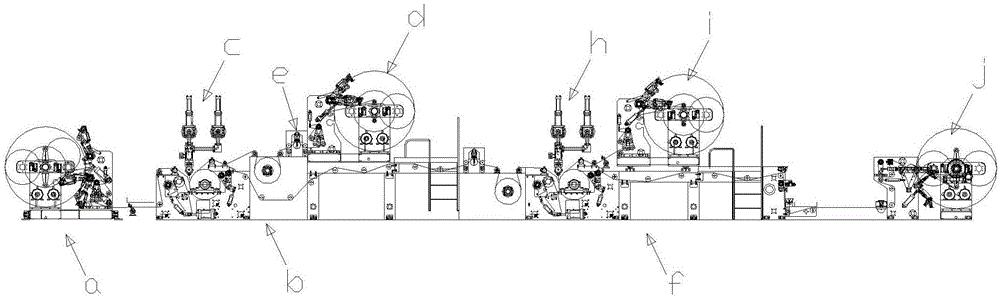
In the field of automated production technology, the introduction of intelligent production lines has greatly improved the production quality and efficiency of aluminum - plastic composite films. The production line is equipped with high - precision sensors and intelligent control systems, which can monitor and adjust parameters such as composite temperature, pressure, and speed in real - time to ensure stable product quality. At the same time, by introducing a machine vision inspection system, it can quickly identify defects such as surface flaws and scratches on the product, increasing the product yield to more than 98%.
These technological innovations have not only improved the performance and quality of aluminum - plastic composite films but also promoted the development of the industry towards the direction of greenness and intelligence. In the future, with the continuous progress of technology, aluminum - plastic composite films are expected to play an important role in more high - end fields, providing strong support for the development of various industries.
Analysis of Quality Evaluation Standards and Inspection Key Points of Aluminum - Plastic Composite Films
Which is better, aluminum plated film or composite aluminum film?