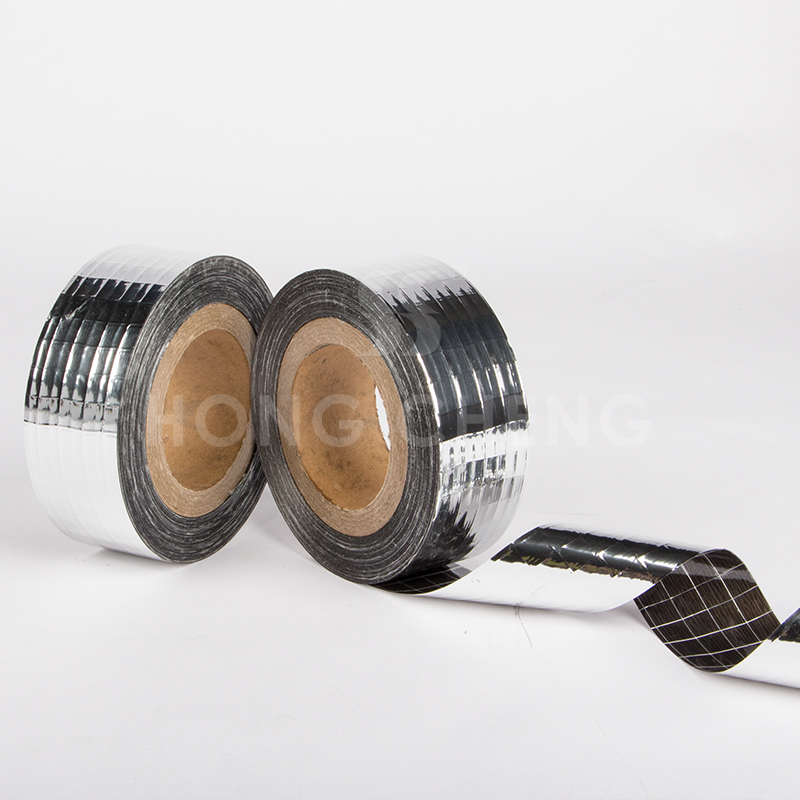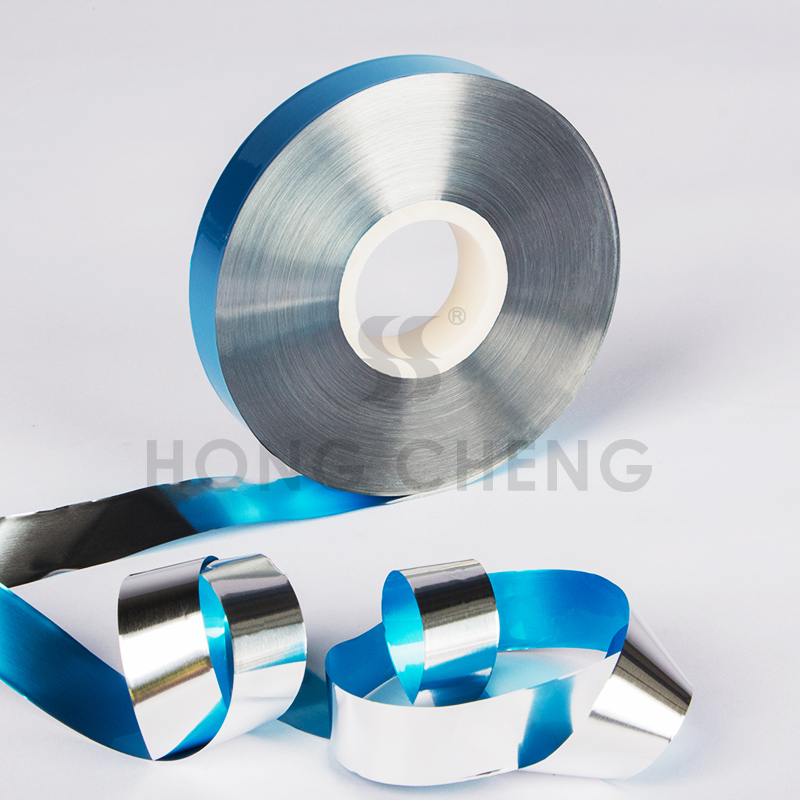
The Core Functions of Aluminum-Plastic Composite Film in Roof Thermal Insulation and Waterproofing
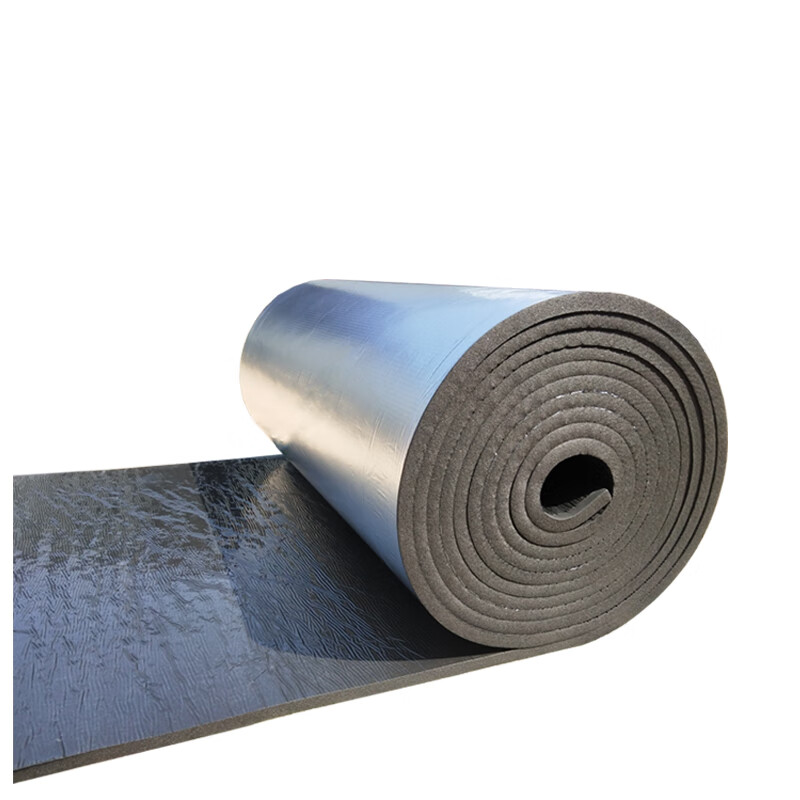
In roof thermal insulation and waterproofing systems, aluminum-plastic composite film (usually a composite structure of aluminum foil + PE/PET/OPE and other substrates) is a key multi-functional material. It does not solely undertake thermal insulation or waterproofing duties, but through the synergistic effect of the "aluminum foil layer + substrate layer", plays an irreplaceable role in heat insulation, waterproofing and moisture proofing, protection and reinforcement, and extending the system life, becoming a core guarantee for improving the quality and energy-saving efficiency of roof engineering.
The primary core function of aluminum-plastic composite film is efficient heat insulation, reducing building energy consumption. As the main channel for heat exchange between the building and the outside world, the roof is prone to absorbing solar radiant heat in summer, leading to an increase in indoor temperature, and easily causing indoor heat loss in winter. The aluminum foil layer in the aluminum-plastic composite film has an extremely high solar reflectivity (up to 85% or more), which can efficiently reflect short-wave solar radiation and reduce the heat absorbed by the roof; at the same time, the low emissivity of aluminum foil can reduce long-wave radiation heat transfer. Combined with the low thermal conductivity of substrates (such as PE and PET), it forms a "reflection + barrier" dual heat insulation system. In the roof insulation layer, the aluminum-plastic composite film is usually laid on the upper or lower surface of insulation materials (such as extruded boards and rock wool boards) to prevent heat from penetrating the roof through conduction, radiation and other methods. In summer, it can reduce the indoor temperature by 3-5℃, and reduce heat loss by 15%-20% in winter, significantly reducing the energy consumption of building air conditioning and heating, and meeting the requirements of green building energy conservation.
Secondly, waterproofing and moisture proofing to protect the integrity of the insulation layer is one of the core functions of aluminum-plastic composite film. Once roof insulation materials (such as polystyrene boards and rock wool) get damp, their thermal insulation performance will drop sharply, and even mildew and rot will occur, affecting the safety of the roof structure. The substrate layer (such as PE and OPE) in the aluminum-plastic composite film has excellent waterproofness and air tightness, which can effectively block rainwater, dew and water vapor in the air from penetrating into the insulation layer; at the same time, the aluminum foil layer is a dense metal structure with no pores, which can further block the water vapor channel, forming a "double waterproof barrier". In roof construction, the aluminum-plastic composite film can be laid under the insulation layer as a vapor barrier to prevent indoor water vapor from penetrating upward; it can also be used as an auxiliary layer of the waterproof layer, laid on the surface of the waterproof layer to enhance the overall waterproof effect, avoid leakage problems caused by local damage to the waterproof layer, ensure that the insulation layer is in a dry state for a long time, and maintain stable thermal insulation performance.
In addition, the aluminum-plastic composite film also plays an important role in protection and reinforcement, improving the stability of the roof system. Most roof insulation materials have a loose structure and weak tear resistance and friction resistance. They are easily damaged by stepping and mechanical collision during construction, and long-term exposure to the outdoor environment will face erosion such as ultraviolet radiation, wind and rain, leading to aging and damage. The substrate layer (such as OPE and PET) of the aluminum-plastic composite film has high tensile strength and tear resistance, which can form physical protection for the insulation material and avoid mechanical damage during construction; at the same time, the aluminum foil layer can block direct ultraviolet radiation, delay the aging speed of the insulation material and waterproof layer, and extend their service life. In addition, the laying of aluminum-plastic composite film can form the roof insulation layer into a whole, enhance the integrity and structural stability of the insulation layer, prevent cracking and falling off of the insulation layer caused by temperature changes, settlement and other factors, and improve the durability of the roof system.
Finally, the aluminum-plastic composite film also has the advantage of convenient construction and optimizing the quality of roof engineering. The aluminum-plastic composite film is light in weight and good in flexibility, can be flexibly cut according to the shape of the roof, and the laying process is simple and efficient, without complex construction equipment; at the same time, its surface is smooth, which can reduce friction with other materials and facilitate the construction of subsequent processes (such as laying waterproof layers and roof tiles). In addition, the aluminum-plastic composite film has good heat-sealing performance, and the joints can be sealed through heat-sealing technology during construction, avoiding the joint gaps becoming water vapor penetration channels, and ensuring the tightness and integrity of the roof system. Compared with traditional roof protection materials, the construction efficiency of aluminum-plastic composite film can be improved by more than 30%, and the construction quality is easy to control, which can effectively reduce the later maintenance cost of roof engineering.
In summary, the aluminum-plastic composite film has multiple functions such as heat insulation, waterproofing and moisture proofing, protection and reinforcement, and convenient construction in the roof thermal insulation and waterproofing system. It is a key link connecting the insulation layer and the waterproof layer, directly affecting the energy-saving effect, waterproof performance and service life of the roof project. With the advancement of green buildings and energy-saving projects, relying on its versatility and high cost performance, aluminum-plastic composite film will be more and more widely used in various roof projects such as industrial plants, commercial complexes and residential buildings, becoming an indispensable core material in roof thermal insulation and waterproofing systems.
Aluminum-Plastic Composite Film Industry Upgraded by New Energy: Breakthroughs and Challenges Coexist in 2025
Core Application Industries of Thermal Insulation Composite Aluminum Foil