Read This to Understand! Functions of Underfloor Heating Insulation Film and Methods for Quality Identification
During the frigid winter, when the howling cold wind rages outside, the warm interior of our homes remains as cozy as spring. Behind this comfort lies the remarkable contribution of underfloor heating systems. In these systems, underfloor heating insulation film, though seemingly unremarkable, plays an extremely crucial role. It is not only vital for enhancing the efficiency of underfloor heating but is also closely related to energy conservation and emission reduction.
Functionally, the primary role of underfloor heating insulation film is to significantly reduce heat transfer to lower floors. Take a typical residential building as an example. When the upstairs residents lay high - quality insulation film, the heat felt on the ceiling of the downstairs neighbors is noticeably reduced. Meanwhile, the indoor thermal efficiency is remarkably enhanced. By reflecting the heat that would otherwise be lost, the indoor temperature rises rapidly and stays warm for an extended period. This means that we can enjoy a comfortable indoor temperature without frequently increasing the underfloor heating temperature, greatly reducing the energy consumption of the underfloor heating system and saving on usage costs. Tests show that using high-quality underfloor heating insulation film can reduce heat loss to the lower floors by 40% - 60%, and the indoor temperature can rise to the set value 2 - 3 hours faster than without insulation film. For a family with a heating area of 100 square meters, this can save about 20% - 30% of heating energy consumption every month.
Moreover, it balances heat distribution, preventing local overheating or cooling on the floor surface. Uniform heat distribution not only keeps our feet warm at all times but also extends the service life of underfloor heating pipes. Otherwise, excessively high temperatures in certain areas will accelerate the aging of the pipes, shortening their service life and increasing replacement costs. In a residential community where underfloor heating systems are installed, the households that use high-quality insulation film have underfloor heating pipes with an average service life of 15 - 20 years, while those without insulation film or using inferior insulation film have pipes that need to be replaced after 8 - 10 years. This not only saves the trouble of frequent maintenance but also reduces the replacement cost, which is about several thousand yuan for a 100-square-meter house.
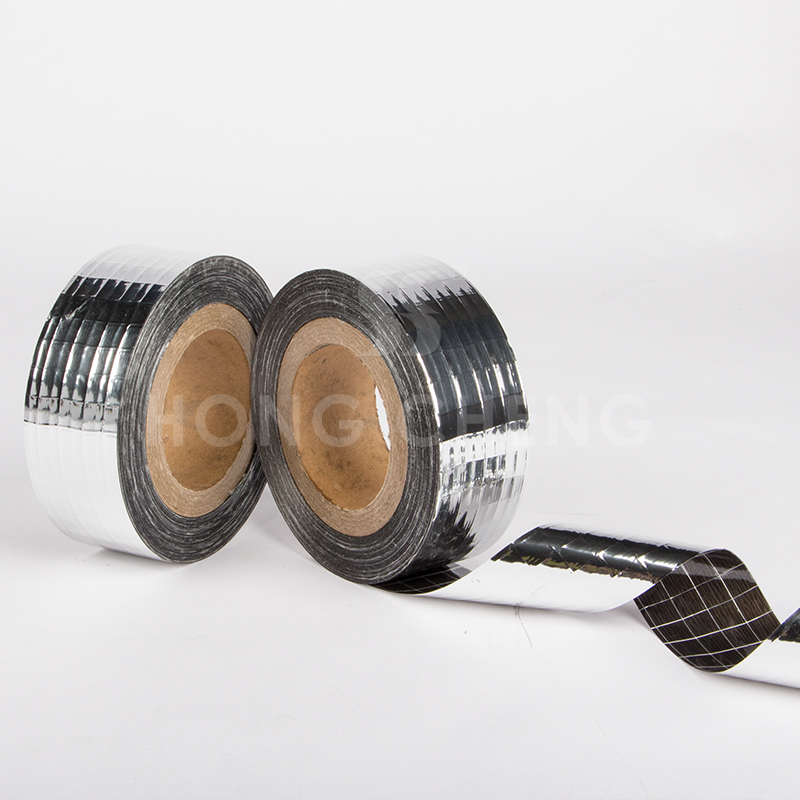
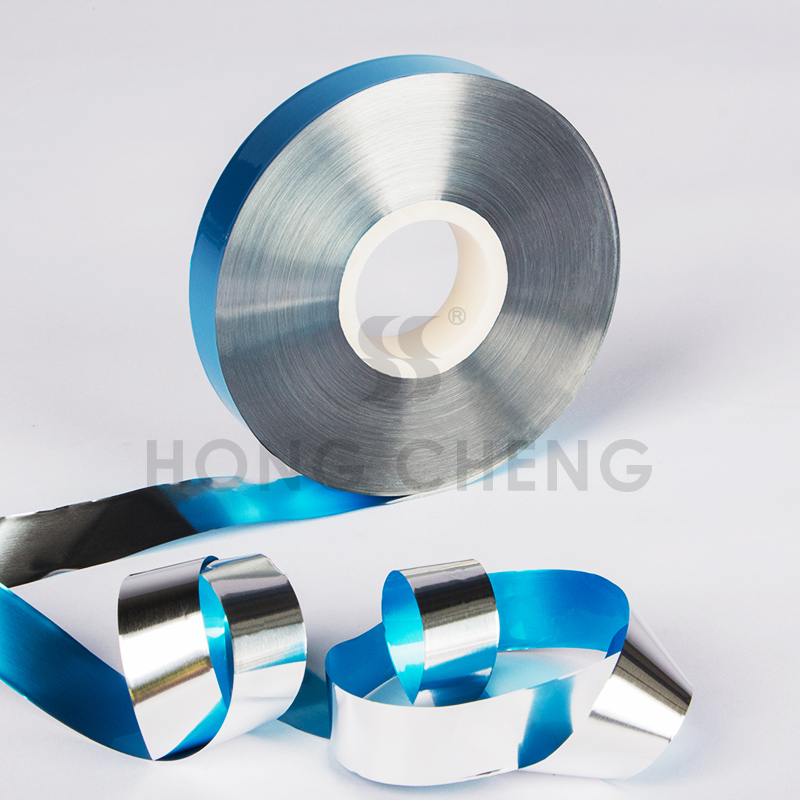
Underfloor heating insulation film is usually composed of multiple layers of materials, each with its specific function. The base layer is often made of polyethylene (PE) or polypropylene (PP), which has good toughness and corrosion resistance, ensuring the overall strength of the film. The middle layer is the core functional layer, which is usually a metal reflective layer, such as aluminum foil. The aluminum foil has excellent thermal reflection performance, which can reflect most of the heat upward, reducing downward loss. Some high-end insulation films also add a thermal insulation layer between the base layer and the metal layer, such as foam or aerogel, which further enhances the thermal insulation effect. The surface layer is a protective layer, which is wear-resistant and scratch-resistant, preventing the metal layer from being damaged during installation and use.
In addition to residential buildings, underfloor heating insulation film is also widely used in commercial buildings, such as shopping malls, hotels, and office buildings. In large shopping malls with a large area, the use of underfloor heating insulation film can not only ensure a comfortable shopping environment for customers but also reduce the huge energy consumption of the heating system. A large shopping mall with a heating area of 10,000 square meters saved nearly 100,000 yuan in heating costs in one winter after using high-quality underfloor heating insulation film. In hotels, uniform heat distribution provided by insulation film can improve the comfort of guests' rooms, enhancing the hotel's reputation and competitiveness.
When actually choosing underfloor heating insulation film, we can distinguish its quality from multiple dimensions. First, examine the appearance. Unroll the film. High - quality products should have a smooth and even surface, with uniform color and no bubbles, impurities, or wrinkles. If the surface appears rough or the color is uneven, it is likely a low - quality product. Second, conduct a tensile test. Gently pull the insulation film with both hands. Quality products are highly flexible and not easily broken even when pulled hard, while inferior products will tear easily with just a little force. For example, high-quality insulation film can be stretched to 1.5 - 2 times its original length without breaking, while inferior products may tear when stretched to 1.2 times. In addition, check the reflective layer. High - quality reflective layers have a uniform metal coating. Under light, it can be clearly seen that they have a high reflectivity, effectively reflecting heat. The reflective layers of inferior products may have an uneven coating, with some areas even missing the coating, which will greatly reduce the heat reflection effect. Finally, smell the product. High - grade insulation films have almost no odor. If a pungent smell is detected, such products are likely made of inferior materials, which may release harmful substances such as formaldehyde. Not only will they affect indoor air quality, but long - term use may also pose a threat to health.
It is also important to consider the thickness of the insulation film. Generally, the thickness of underfloor heating insulation film is between 0.1mm and 0.5mm. Thicker films usually have better thermal insulation performance and durability, but they are also more expensive. For general residential use, a thickness of 0.2 - 0.3mm can meet the needs. For areas with severe cold or higher thermal insulation requirements, such as in the north, a thicker film of 0.3 - 0.5mm can be chosen.
Another factor to consider is the thermal resistance value. The thermal resistance value is an important indicator to measure the thermal insulation performance of the insulation film. The higher the thermal resistance value, the better the thermal insulation effect. When purchasing, you can check the product manual or ask the manufacturer for the thermal resistance value. Generally, products with a thermal resistance value of more than 0.5 (m²·K)/W are considered to have good thermal insulation performance.
Installation is also a key link that affects the performance of underfloor heating insulation film. During installation, the film should be laid flat without wrinkles, and the joints should be overlapped by 5 - 10cm and sealed with tape to prevent heat leakage from the joints. In addition, the film should be laid before the underfloor heating pipes are installed, ensuring that the entire ground is covered without gaps. If the installation is improper, such as wrinkles or gaps in the film, it will reduce the thermal insulation effect and even cause local overheating of the floor.
In conclusion, choosing high - quality underfloor heating insulation film can not only create a warm and comfortable home environment but also contribute to energy conservation and emission reduction. Therefore, when installing underfloor heating systems, we must attach great importance to the selection of insulation film. With the continuous improvement of people's awareness of energy conservation and environmental protection, the demand for high-performance underfloor heating insulation film will continue to increase. In the future, manufacturers will also continue to innovate, developing more environmentally friendly, efficient, and durable insulation film products, such as using recyclable materials or adding antibacterial functions, to better meet people's needs for a healthy and comfortable living environment.
High-quality Aluminum Foil Ensures Long - lasting Insulation of Bituminous Membranes
Requirements for Cable Aluminum Foil: A Multidimensional Analysis(II)