Understanding Aluminum Foil for Ventilation Hoses
In various ventilation systems, ventilation hoses play a crucial role, and the aluminum foil material used on the outer layer of the hoses directly affects multiple aspects of the ventilation system, such as performance, service life, and safety. Whether in the air conditioning ventilation of households, kitchen exhaust, or the large - scale ventilation projects of industrial plants, the appropriate choice of aluminum foil cannot be ignored. So, how exactly should one choose the aluminum foil for ventilation hoses? Next, we will delve into this issue.
I. Understanding Aluminum Foil for Ventilation Hoses
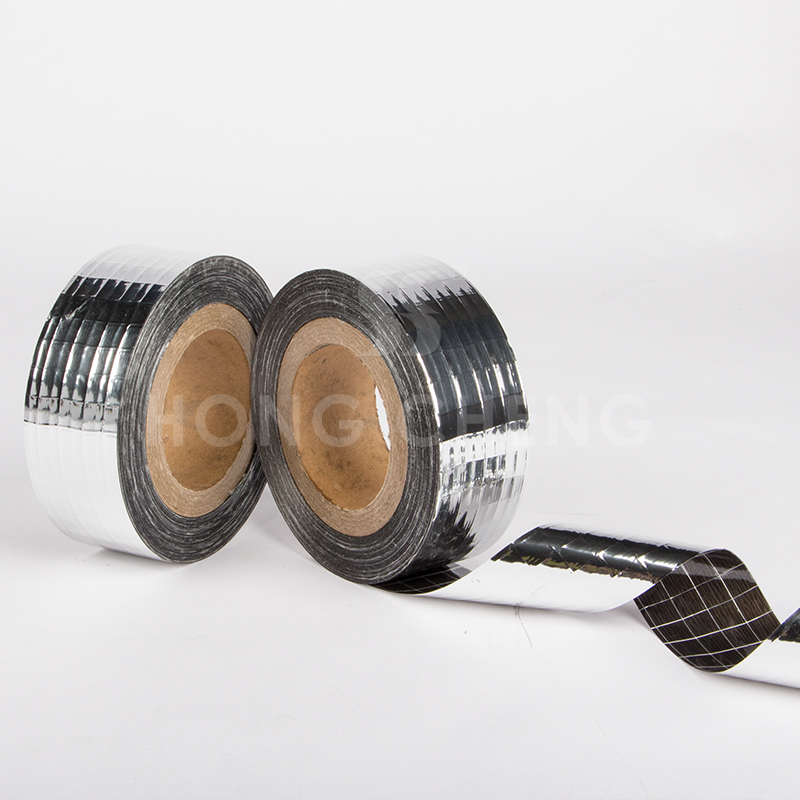
Aluminum foil for ventilation hoses is usually composed of a layer of aluminum foil laminated with materials such as polyester film. Aluminum foil itself has numerous excellent properties, endowing ventilation hoses with unique performances.
(1) High Thermal Conductivity
Aluminum foil has excellent thermal conductivity. In the ventilation process, if heat exchange is involved, such as in the transportation of cold and warm air in an air - conditioning system, aluminum foil can quickly transfer heat, helping to maintain the stability of air temperature and ensuring the efficient operation of the ventilation system. For example, in a central air - conditioning system of a shopping mall, using aluminum foil with high thermal conductivity for ventilation hoses can reduce the temperature loss of cold air during transportation by 10% - 15%, making the air - conditioning system more energy - efficient. Tests show that the thermal conductivity of qualified aluminum foil for ventilation hoses can reach more than 200W/(m·K), which is much higher than that of many other common materials used in ventilation systems.
(2) Corrosion Resistance
Aluminum forms a dense oxide film on its surface in the natural environment. This oxide film gives aluminum foil natural corrosion resistance. Especially in humid environments, such as bathroom ventilation and kitchen fume exhaust, aluminum foil can effectively resist the erosion of water vapor and corrosive gases, greatly extending the service life of the ventilation hose and reducing the replacement cost due to corrosion. A family in a coastal city installed a kitchen exhaust hose with high - quality aluminum foil. After 5 years of use, the aluminum foil layer on the hose surface still remained intact without obvious corrosion, while the hose with ordinary aluminum foil used in a neighboring family needed to be replaced after 2 years because of severe corrosion. In industrial plants with high humidity, such as textile factories, ventilation hoses with corrosion - resistant aluminum foil can last 8 - 10 years, which is 3 - 4 times longer than those using non - corrosion - resistant materials.
(3) Lightweight Property
Aluminum has a relatively low density, and the made - up aluminum foil is very light in weight. This advantage is particularly prominent in the installation process of ventilation hoses. It is not only convenient for construction workers to operate, reducing labor intensity, but also reduces the load requirements on the support structure, making the installation more convenient and efficient. At the same time, it can also save installation costs to a certain extent. In the installation of ventilation systems in high - rise buildings, the use of lightweight aluminum foil hoses can reduce the load on the ceiling by 40% - 50% compared with hoses made of heavy materials such as galvanized steel. This not only simplifies the design of the support structure but also reduces the risk of ceiling collapse. A construction team responsible for the ventilation installation of a hotel found that using lightweight aluminum foil hoses reduced the installation time by 25% and the number of workers required by 20% compared with the original plan using traditional heavy hoses.
(4) Flexibility
Some aluminum foils for ventilation hoses have good flexibility and can be easily bent to adapt to various complex installation spaces and layouts. Whether it is winding through a narrow ceiling interlayer or turning at a special position such as a corner, it can flexibly respond, providing great convenience for the installation of the ventilation system. In the renovation of an old house, where the space for installing ventilation hoses is very limited, the flexible aluminum foil hose can be easily bent into various shapes to pass through the narrow gaps between walls and floors, avoiding the need for large - scale demolition and reconstruction. The flexibility of aluminum foil is usually measured by its bending radius. High - quality flexible aluminum foil can be bent to a radius of less than 5cm without cracking or breaking, while ordinary aluminum foil may crack when bent to a radius of 10cm or more.
(5) Fire Resistance
Fire resistance is another important property of aluminum foil for ventilation hoses, especially in public places and industrial facilities with high fire safety requirements. Aluminum foil has a high melting point, and when combined with flame - retardant materials in the lamination process, it can form a ventilation hose with good fire resistance. In the event of a fire, it can delay the spread of the fire through the ventilation system, providing more time for evacuation and fire fighting. According to relevant tests, the fire - resistant aluminum foil hose can resist combustion for more than 30 minutes at a high temperature of 800℃, while the ordinary plastic ventilation hose will melt and burn in a few minutes. In a shopping mall fire accident, the fire - resistant aluminum foil ventilation hoses effectively prevented the fire from spreading to other floors through the ventilation ducts, reducing the loss caused by the fire.
(6) Air Tightness
Good air tightness is essential for ventilation hoses to ensure that the air delivered by the ventilation system does not leak, improving the efficiency of the system. Aluminum foil has a smooth surface and, when properly laminated, can form a tight seal, reducing air leakage. In a laboratory ventilation system, using aluminum foil hoses with good air tightness can reduce air leakage by more than 20% compared with hoses with poor air tightness, ensuring that harmful gases in the laboratory are effectively discharged without polluting other areas. The air tightness of aluminum foil hoses is usually tested by measuring the air leakage rate. Qualified products have an air leakage rate of less than 5% under standard test conditions.
II. Factors to Consider When Choosing Aluminum Foil for Ventilation Hoses
(1) Thickness of Aluminum Foil
The thickness of the aluminum foil directly affects its strength and durability. Generally, thicker aluminum foil has better puncture resistance and tensile strength, but it may be less flexible. For household ventilation systems with low requirements, aluminum foil with a thickness of 0.03 - 0.05mm can meet the needs. For industrial ventilation systems that may be subject to external impact, it is better to choose aluminum foil with a thickness of more than 0.08mm.
(2) Lamination Material
The lamination material used with aluminum foil also plays a vital role. Polyester film is a common lamination material, which can enhance the toughness and wear resistance of the aluminum foil. In humid environments, using polyethylene film as the lamination material can further improve the moisture - proof performance of the hose. For high - temperature ventilation systems, such as those in bakeries and industrial furnaces, lamination materials with high - temperature resistance, such as polyimide film, should be selected.
(3) Application Environment
Different application environments have different requirements for aluminum foil. In kitchen exhaust systems, where there is a lot of oil fume, aluminum foil with good oil resistance and easy cleaning should be chosen. In bathroom ventilation, moisture resistance is the key. In industrial environments with corrosive gases, such as chemical plants, aluminum foil with enhanced corrosion resistance, such as anodized aluminum foil, is more suitable.
(4) Certification and Standards
When choosing aluminum foil for ventilation hoses, it is necessary to check whether the product meets relevant national and industry standards. Products that have passed certifications such as ISO and CE are usually more reliable in quality. For example, in Europe, ventilation hoses must meet the requirements of EN 13180 standard, which specifies the performance indicators such as fire resistance, air tightness, and durability of ventilation hoses.
In conclusion, choosing the right aluminum foil for ventilation hoses requires comprehensive consideration of its performance characteristics, application environment, and relevant standards. By understanding the properties of aluminum foil and the specific needs of the ventilation system, we can select the most suitable aluminum foil material, ensuring the efficient, safe, and long - term operation of the ventilation system.
Types and Applications of Aluminum Foil for Ventilation Hoses
Aluminum Foil: The Core Element of Network Cable Shielding