Why Aluminum Foil Composite Materials Are Essential for Luggage and Bag Interior Linings
In the luggage and bag manufacturing supply chain, the choice of interior lining material directly determines a product's level of protection, service life, and end-user experience. Traditional materials such as EVA foam and non-woven fabric have obvious limitations in moisture barrier performance. When used during export sea freight, high-temperature storage, or in high-humidity regions such as Southeast Asia, the risk of moisture damage and mold growth on contents inside bags increases significantly. In recent years, aluminum foil composite lining film and metallized film composite liner — two types of aluminum foil composite material — have emerged as the preferred solutions for mid-to-high-end luggage and bag interior linings.
Core Functional Value of Aluminum Foil Composites in Interior Linings
The applicability of aluminum foil composite lining film and metallized film composite liner for luggage and bag linings stems from the unique material structures that deliver three major functional benefits:
First, superior moisture barrier performance. The aluminum foil layer exhibits an extremely low water vapor transmission rate (WVTR), effectively blocking the penetration of external moisture. Even when the bag undergoes external pressure or minor physical damage, the aluminum foil layer can still maintain a certain level of barrier effectiveness, preventing interior contents from moisture exposure. While metallized film has a thinner aluminum coating, its metallized layer also provides a solid moisture barrier foundation, which can be further enhanced when combined with PE lamination.
Second, thermal reflection and temperature stabilization. High-quality aluminum foil composite lining film can reflect more than 90% of thermal radiation, helping to maintain a relatively stable temperature inside the bag. For precision instruments, pharmaceutical samples, or premium leather goods requiring temperature-controlled transport, this characteristic is particularly important. Additionally, the aluminum foil layer reduces internal condensation caused by temperature differentials.
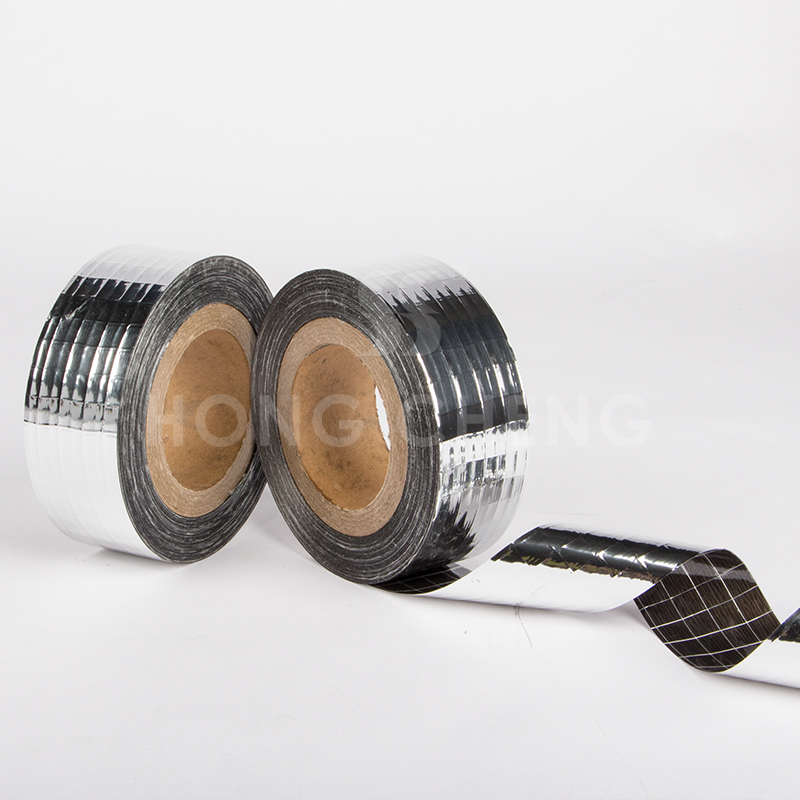
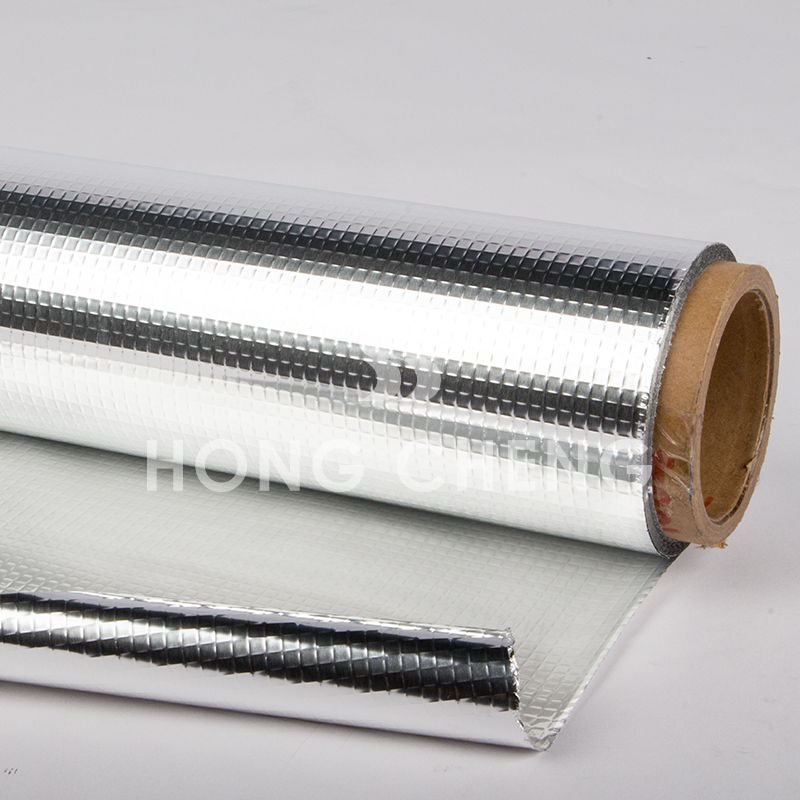
Third, lightweight construction with structural reinforcement. Aluminum foil composite lining film typically ranges from 0.05mm to 0.3mm in thickness and adds minimal weight to the bag. Some thicker variants incorporate a scrim or non-woven fabric layer internally, which enhances tear resistance and structural stability of the lining.
Structural Differences Between the Two Main Lining Material Types
Currently, the aluminum foil composite materials available for luggage and bag interior linings mainly fall into two structural categories:
The first is aluminum foil PE composite lining film. A typical structure consists of an aluminum foil layer thermally laminated with a PE coating layer. The aluminum foil provides barrier functionality while the PE layer delivers heat-seal performance and flexibility. Common aluminum foil thicknesses include 7μm, 9μm, and 15μm, with PE layer thickness adjustable between 20μm and 60μm depending on requirements. Some premium products add a PET layer between the aluminum foil and PE, forming an AL/PET/PE three-layer structure that significantly improves laminate bond strength and puncture resistance.
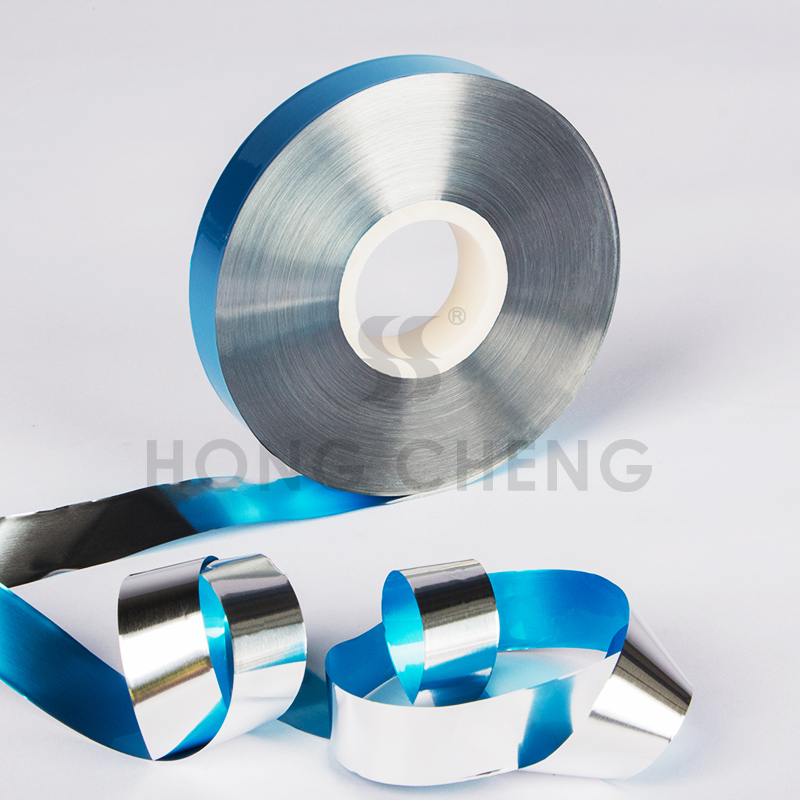
The second is metallized film composite liner. Metallized film is created by vacuum蒸镀 (evaporating) high-purity aluminum onto a PET substrate, resulting in an aluminum coating layer of only 0.02μm to 0.05μm — far thinner than traditional aluminum foil — while retaining excellent barrier properties. Metallized film composite liner typically combines metallized PET with PE lamination, offering good glossy appearance and moisture barrier performance at a more competitive cost, making it suitable for price-sensitive bag products with baseline protection requirements.
Key Procurement Parameters for Bag Lining Foil Materials
For luggage manufacturers, bag makers, and export traders, when procuring aluminum foil composite lining film and metallized film composite liner, it is recommended to carefully evaluate the following five parameters:
Laminate Bond Strength: The peel strength between the aluminum foil layer and PE or PET layer should be no less than 0.5N/15mm. Insufficient bond strength leads to delamination and bubbling, directly compromising protective function.
Barrier Performance: Water vapor transmission rate (WVTR) should be below 1g/m²·24h, with premium products controlling it below 0.3g/m²·24h.
Thickness and Basis Weight: Select based on bag structure and protection level. General-purpose linings recommend 0.08mm to 0.15mm; high-protection products can opt for reinforced variants above 0.2mm.
Width and Slitting Precision: Roll width should match the lining cutting equipment. Common widths range from 1000mm to 1600mm, with slitting tolerance controlled within ±0.5mm.
Heat-Seal Performance: The heat-seal temperature and seal strength of the PE layer or metallized film composite layer should be compatible with bag manufacturing processes. A small-batch heat-seal test is recommended before bulk procurement.
Market Trends and Supply Chain Insights
In 2026, the global luggage and bag market exhibits a polarization trend. On one end, premium travel bags and luxury leather goods continue to raise their interior lining protection standards, driving aluminum foil composite linings toward multi-layer composites and higher barrier performance. On the other end, mass-market bags under cost pressure increasingly favor more cost-competitive metallized film composite liner solutions.
For luggage buyers and manufacturers, choosing between aluminum foil composite lining film and metallized film composite liner requires a comprehensive evaluation of the target market's climate conditions, transport methods, product positioning, and budget constraints. Partnering with aluminum foil composite material suppliers capable of customized production effectively reduces supply chain risk and enhances product competitiveness.
Hangzhou Hongcheng Technology specializes in aluminum foil composite materials and PE lamination composite materials manufacturing, offering customized production for aluminum foil composite lining film and metallized film composite liner in terms of width, thickness, and composite structure. Contact us for inquiries.
Aluminum Foil Bubble Insulation Material: Understanding Multi-Layer Composite Structures
FSK Facing Material: What Makes the 3-Layer Foil-Scrim-Kraft Structure Work