Building Insulation Materials with Excellent Resistance to Water, Moisture, Corrosion, and UV Aging
Building insulation materials play a crucial role in reducing energy consumption, minimizing noise infiltration, and protecting buildings from harsh weather conditions. However, insulation materials must also be able to withstand water, moisture, corrosion, and UV aging to remain effective over the long term. This is particularly important for buildings located in areas with high humidity, salt spray, acid rain, or intense sunlight.
Water resistance stands as a core performance indicator for insulation materials. In rainy tropical regions or underground structures, water absorption can cause a sharp increase in thermal conductivity—experiments show that when water absorption exceeds 5%, insulation efficiency can drop by over 30%. Closed-cell foam insulation (such as XPS boards) is ideal with a water absorption rate below 0.1%; its sealed cellular structure blocks moisture penetration, maintaining stability even after long-term immersion. In roof insulation projects, combining such materials with waterproof membranes reduces repair costs from roof leaks by over 60%.
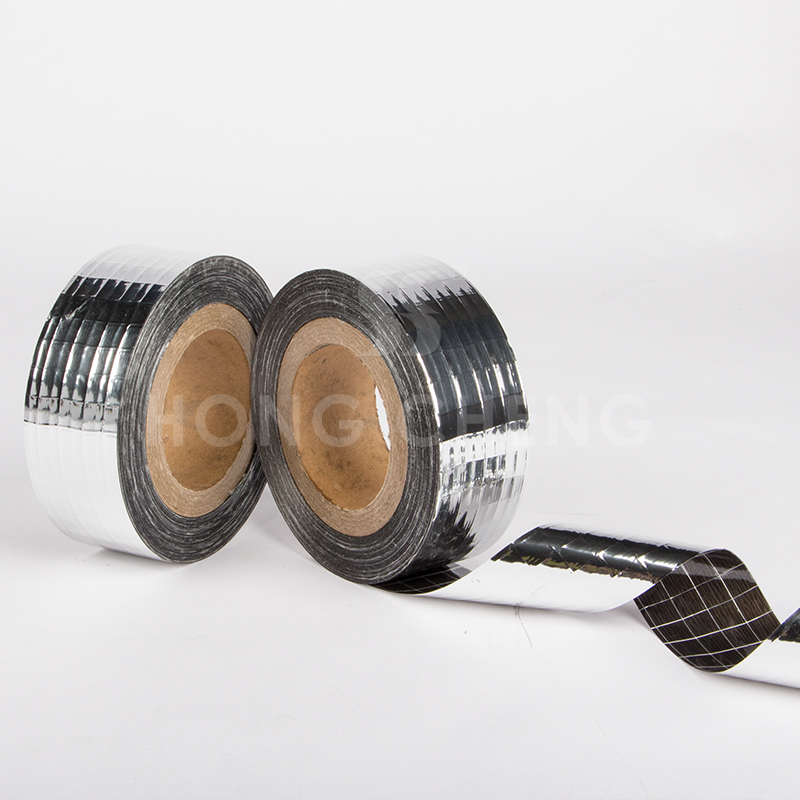
Moisture resistance directly affects indoor air quality. In plum rain regions like the Yangtze River basin, moisture absorption in wall insulation can lead to mold growth and release of volatile organic compounds (VOCs). Aluminum foil composite insulation forms a vapor barrier through a 0.05mm metal layer with a water vapor transmission rate below 1.5g/(m²·24h), effectively preventing condensation buildup. In high-humidity areas like bathrooms and kitchens, fiberglass boards wrapped in aluminum foil reduce wall mold incidence by 90%, significantly improving living health.
Corrosion resistance is critical for buildings in coastal and industrial zones. Coastal salt spray contains up to 35mg/m³ of chloride ions, which erode metal fasteners in traditional insulation; industrial sulfur dioxide accelerates material degradation. Fiberglass insulation, using alkali-free glass fibers with phenolic resin binders, shows less than 2% mass loss after 720-hour salt spray tests without releasing corrosive substances. In coastal high-rise exterior walls, combining this material with fluorocarbon-coated metal panels extends the insulation system's lifespan to over 25 years.
UV aging resistance determines durability in intense sunlight areas. Desert regions in the Middle East reach 70℃ surface temperatures in summer, with UV radiation twice that of temperate zones. Modified polyurethane rigid foam, containing 2% nano-zinc oxide antioxidants, retains 85% tensile strength after 1000-hour xenon lamp aging tests—far exceeding 50% for ordinary materials. In high-UV areas like Australia, roof insulation systems using such materials reduce annual maintenance costs from aging by 40%.
Modern insulation materials are engineered to resist these four damage factors. Beyond closed-cell foam and aluminum foil products, rock wool boards withstand temperatures up to 1200℃, excelling in firewall insulation. Vacuum insulation panels (VIPs) combine core materials with vacuum layers, achieving thermal conductivity as low as 0.008W/(m·K) for high-demand scenarios like refrigerators and cold chain warehouses.
Different building scenarios demand tailored insulation solutions. Industrial plants require heat and corrosion resistance, often using rock wool-fiberglass composites. Green buildings prefer recycled materials like aerated concrete from industrial waste, with 3.5MPa compressive strength meeting LEED certification. For old building renovations, spray polyurethane foam adapts to complex structures, boosting construction efficiency by 50% with superior sealing.
Evolving environmental standards drive low-energy, recyclable insulation. EU regulations mandate 30% recycled content by 2030, spurring development of waste plastic-modified boards—matching virgin material performance with 80% lower carbon emissions. Self-healing smart insulation is emerging, with microcapsules releasing sealants to repair cracks automatically, extending service life.
Choosing the right insulation for a building's needs enhances energy efficiency, reduces noise, and prevents water damage, mold, rust, and fading. Consult ISO 9001-certified contractors, incorporating local climate data (precipitation, UV intensity, salt spray levels) for customized designs to optimize insulation performance and cost-effectiveness.
The Drainage Effect of Copper-Plastic and Aluminum-Plastic Composite Tape
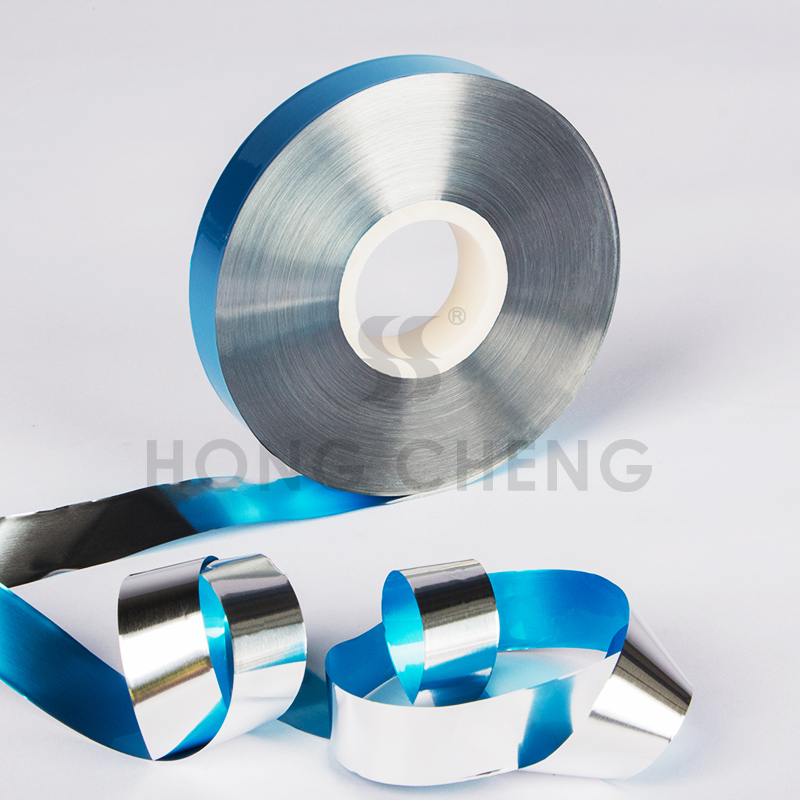
Al/PET/PE laminated aluminium roll