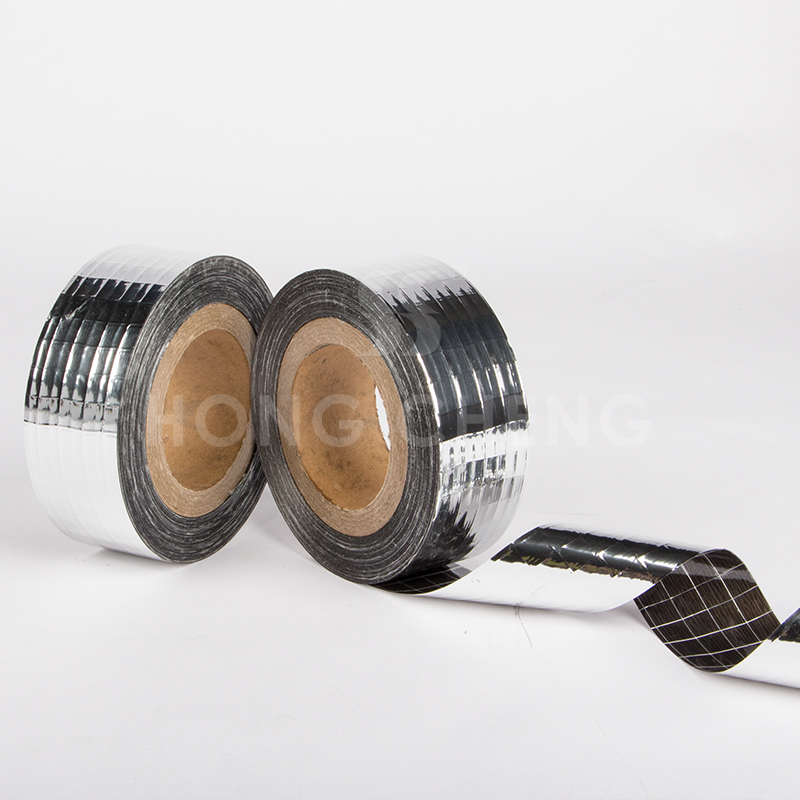
Dual-Nosed Aluminum Foil FIBC
The FIBC, or Flexible Intermediate Bulk Container, is a robust industrial bag designed for storing and transporting bulk materials, valued for its strength and versatility. Among the diverse types of FIBC bags, the FIBC aluminum foil liner stands out as a highly effective option, combining the durability of FIBCs with the superior protective properties of aluminum foil to meet the demanding needs of various industries.
Crafted from premium aluminum foil, the FIBC aluminum foil liner is a specialized addition to the FIBC bag, offering enhanced protection for sensitive or valuable materials. Unlike standard liners made from plastic or paper, aluminum foil liners are engineered to provide a multi-layered defense mechanism. Typically, they consist of a thin but sturdy aluminum foil layer laminated with other materials such as polyethylene (PE) or polypropylene (PP) to improve flexibility and sealability. This composite structure ensures that the liner can withstand the rigors of industrial handling while maintaining its protective integrity. Acting as a formidable barrier against moisture, gases, odors, and UV rays, this liner ensures the preservation and safeguarding of the bag's contents, making it indispensable for materials that are prone to degradation or contamination.
A key advantage of employing the FIBC aluminum foil liner lies in its exceptional moisture resistance. Aluminum foil is inherently impermeable to water vapor, creating an impenetrable barrier that prevents even trace amounts of moisture from entering the bag. This is particularly crucial for materials susceptible to oxidation or those with hygroscopic properties, such as chemicals, pharmaceuticals, and certain food ingredients. For example, in the agricultural sector, fertilizers and pesticides often contain components that absorb moisture easily, leading to clumping or reduced efficacy. By using an aluminum foil liner, these products remain dry and free-flowing throughout storage and transportation, ensuring their quality and performance upon arrival. Similarly, in the pharmaceutical industry, where moisture can compromise the stability of drugs, the liner acts as a critical safeguard, protecting the integrity of active ingredients and extending their shelf life.
In addition to its moisture-repelling capabilities, the FIBC aluminum foil liner effectively blocks gases and odors. This is especially significant when handling or storing materials prone to reactions with specific gases or emitting strong odors. Many industrial chemicals, such as certain polymers or additives, are sensitive to oxygen, which can cause oxidation and degradation over time. The aluminum foil liner forms a gas-tight seal, preventing oxygen from permeating the bag and reacting with the contents. Similarly, materials like spices, flavorings, or aromatic chemicals often release strong odors that can contaminate other products if not contained. The liner acts as a protective shield, thwarting the intrusion of external gases or odors and preserving the purity of the contents, making it ideal for industries where product integrity and purity are paramount.
Another notable benefit of the FIBC aluminum foil liner is its UV resistance. Ultraviolet rays from sunlight can cause photochemical reactions in many materials, leading to discoloration, degradation, or loss of potency. This is particularly problematic for materials stored outdoors or transported in open containers. The aluminum foil liner reflects UV rays, preventing them from reaching the contents and ensuring that materials such as pigments, dyes, and certain plastics retain their color and performance characteristics. This UV blocking property also makes the liner suitable for packaging products that require long-term storage, as it helps maintain their quality even in exposed environments.
Durability is another key feature of the FIBC aluminum foil liner. Despite its thin profile, the aluminum foil is highly resistant to punctures, tears, and abrasions, especially when combined with the reinforcing layers of plastic. This makes the liner capable of withstanding the rough handling associated with bulk material transportation, including stacking, forklift operations, and long-distance shipping. Unlike paper liners, which can tear easily, or plastic liners, which may puncture under sharp edges, the aluminum foil liner provides a reliable barrier that remains intact even in challenging conditions. This durability not only protects the contents but also reduces the risk of leaks or spills, minimizing the potential for product loss and environmental contamination.
The versatility of the FIBC aluminum foil liner is further highlighted by its compatibility with a wide range of materials and industries. In the food and beverage sector, it is used to package bulk quantities of ingredients such as sugar, flour, and powdered milk, ensuring they remain free from moisture, pests, and contaminants. In the chemical industry, it is employed for transporting and storing specialty chemicals, catalysts, and intermediates that require strict environmental controls. The pharmaceutical industry relies on it for packaging active pharmaceutical ingredients (APIs) and excipients, where purity and stability are critical. Additionally, it finds applications in the textile industry for storing dyes and pigments, and in the construction industry for packaging additives like cement admixtures.
From a logistical perspective, the FIBC aluminum foil liner offers practical advantages as well. It is lightweight, adding minimal extra weight to the FIBC bag, which helps keep transportation costs low. It is also easy to install, with pre-cut liners that can be inserted into the bag quickly and efficiently, reducing downtime during the packaging process. Furthermore, many aluminum foil liners are designed to be heat-sealable, allowing for a secure closure that further enhances their protective properties. This heat-sealing capability ensures that the liner forms a complete barrier, leaving no gaps for moisture, gases, or odors to penetrate.
In an era where sustainability is increasingly important, the FIBC aluminum foil liner also offers environmental benefits. Aluminum is a highly recyclable material, and many liners are designed to be recyclable after use, reducing waste and minimizing the environmental impact. Additionally, the longevity and protective properties of the liner help reduce product waste by extending the shelf life of materials, ensuring that more of the product reaches its destination in usable condition. This not only benefits the environment but also improves the efficiency and cost-effectiveness of supply chains.
In conclusion, the FIBC aluminum foil liner is a specialized and highly effective solution for protecting bulk materials during storage and transportation. Its exceptional moisture resistance, gas and odor blocking capabilities, UV protection, durability, and versatility make it an invaluable asset across a wide range of industries. By combining the strength of FIBC bags with the superior protective properties of aluminum foil, this liner ensures that sensitive and valuable materials remain intact, pure, and stable, from production to delivery. As industries continue to demand higher standards of product protection and sustainability, the FIBC aluminum foil liner is poised to play an increasingly important role in ensuring the integrity of bulk materials.
What is the difference between shielded cable and unshielded cable
Single Side Duct Foil in Copper Color