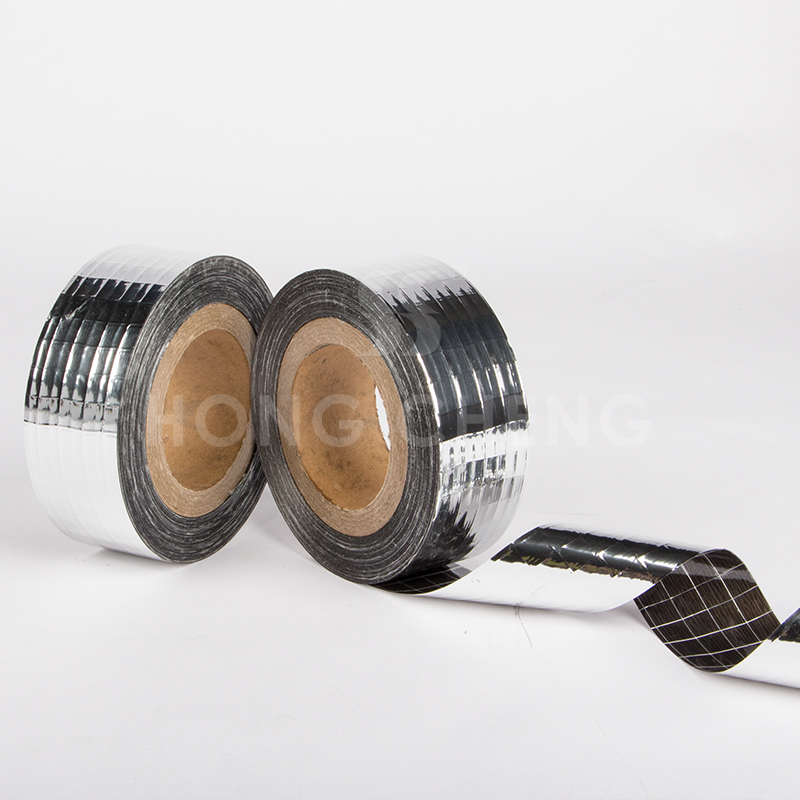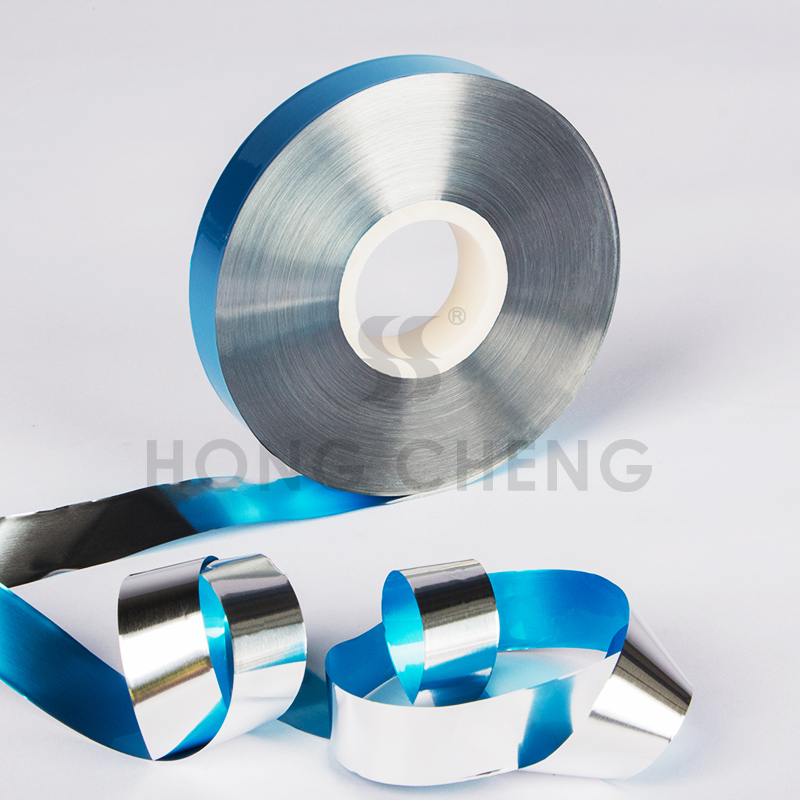
White PET extruding with PE
Extruding Materials are widely used in packaging, construction, industry, and agriculture. Extruding PE, which stands for extruding polyethylene, can achieve PE layer adhesion through heating. PE coated materials possess properties such as waterproofness, moisture resistance, wear resistance, and chemical resistance.
PE coating is applied to various base materials such as films, aluminum foils, woven fabrics, kraft paper, and nonwovens for multi-layer lamination. The number of composite layers, thickness (basis weight), width, and length are all customized and produced according to the customer's requirements.
If you need our products, you can contact us quickly!
Extruding materials, with extruding polyethylene (PE) as a prominent example, have become indispensable across a multitude of sectors due to their exceptional adaptability and performance. The extrusion process for PE involves melting the polymer resin and forcing it through a die to form a continuous layer, which is then bonded to base materials through controlled heating. This method ensures a strong, uniform adhesion that enhances the base material’s inherent properties while adding the unique benefits of PE.
One of the key advantages of extruding PE is its ability to transform ordinary substrates into high-performance materials. When applied to films, PE coating creates a barrier that prevents moisture and gas penetration, making them ideal for food packaging where freshness preservation is critical. For aluminum foils, the PE layer adds flexibility and sealability, expanding their use in flexible packaging for pharmaceuticals and cosmetics. Woven fabrics, often used in bags and sacks, gain improved water resistance and durability with PE coating, making them suitable for heavy-duty applications like agricultural product transportation or construction material storage.
Kraft paper, a staple in packaging and crafting, undergoes a significant upgrade with PE coating. The combination results in a material that retains the paper’s rigidity and printability while gaining waterproof properties, perfect for making shopping bags, food containers, and industrial packaging that needs to withstand wet conditions. Nonwovens, widely used in hygiene products and medical supplies, benefit from PE coating by becoming more resistant to liquids and tearing, ensuring they maintain integrity during use.
The multi-layer lamination made possible by PE coating opens up even more possibilities. By combining different base materials with PE layers, manufacturers can create composite materials tailored to specific needs. For instance, a composite of aluminum foil, PE, and nonwoven fabric can serve as a high-performance insulation material in construction, offering both thermal resistance and moisture protection. Similarly, a laminate of kraft paper and PE with a woven fabric core becomes a strong, durable material for heavy-duty sacks used in agriculture to store grains and fertilizers.
Customization is a cornerstone of PE coating services, allowing for precise adjustments to meet diverse industry requirements. The number of composite layers can range from two to multiple, depending on the desired performance. Thickness, measured by basis weight, can be adjusted to balance between flexibility and strength—thinner coatings for lightweight applications like food wraps and thicker ones for heavy-duty uses like industrial liners. Width and length are also fully customizable, ensuring the materials fit seamlessly into existing production lines, whether for large-scale industrial packaging or small-batch specialty products.
In the packaging industry, PE coated materials have revolutionized the way products are stored and transported. They extend the shelf life of perishable goods by blocking moisture and oxygen, reduce the risk of contamination, and provide a durable barrier against external impacts. In construction, these materials are used as vapor barriers, roof underlays, and insulation wraps, contributing to energy efficiency and building durability. The industrial sector relies on them for chemical storage liners, machinery covers, and protective wraps, thanks to their chemical resistance and wear properties. Agriculture benefits from PE coated materials in the form of greenhouse films, silage bags, and irrigation pipes, which withstand harsh weather conditions and protect crops and livestock feed.
Beyond functional performance, PE coated materials also offer environmental benefits when sourced and processed responsibly. Many PE coatings are recyclable, and advancements in technology have led to the development of biodegradable PE variants, reducing their environmental footprint. Additionally, the durability of these materials means they can be reused multiple times, further minimizing waste. For industries striving to meet sustainability goals, PE coated materials provide a balance between performance and environmental responsibility.
The versatility of extruding PE and its coating applications continues to drive innovation across industries. New formulations of PE are being developed to enhance properties like heat resistance, making them suitable for microwaveable packaging, and UV resistance, extending their lifespan in outdoor applications. The ability to combine PE with other materials through lamination also allows for the creation of smart materials, such as those with barrier properties that adjust to temperature changes, opening up new possibilities in advanced packaging and industrial design.
In conclusion, extruding materials, particularly those involving PE coating, are vital components in modern manufacturing and production. Their ability to enhance base materials with waterproofness, moisture resistance, wear resistance, and chemical resistance makes them indispensable in packaging, construction, industry, and agriculture. With customizable options to meet specific needs and ongoing innovations improving their performance and sustainability, PE coated materials are set to remain at the forefront of material science, providing versatile solutions for a wide range of applications. If you’re looking for high-quality, customized PE coated materials, don’t hesitate to contact us—we’re ready to provide tailored solutions to meet your unique requirements.
Single Side Duct Foil in Copper Color
PET for flexible duct