Aluminum Foil Composite Materials in HVAC Ductwork: Fire Ratings, Compliance Standards, and Installation Acceptance Criteria
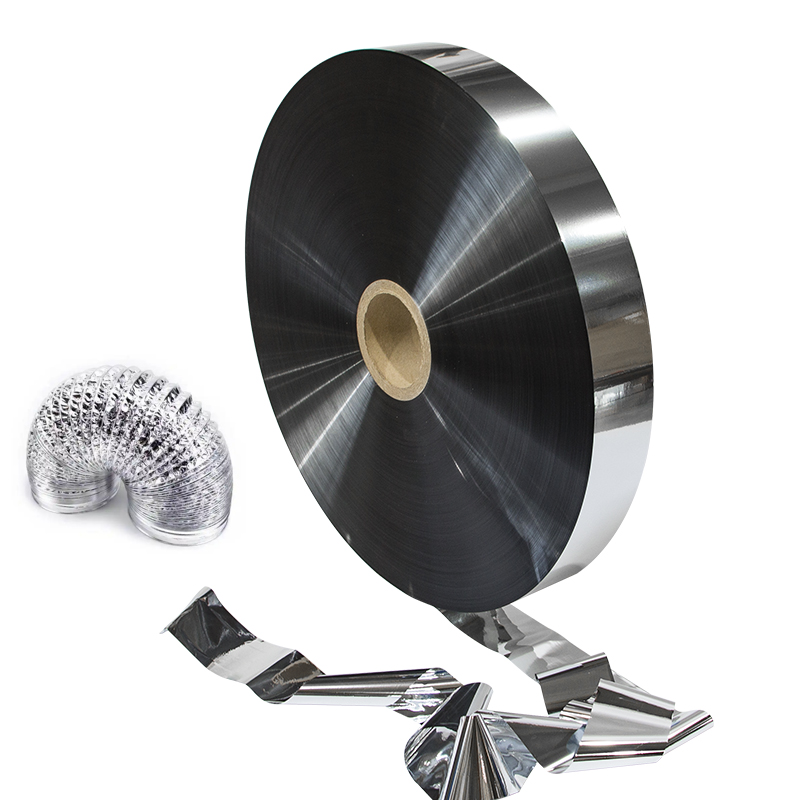
For HVAC engineers and mechanical contractors, the aluminum foil composite materials used in ductwork and duct insulation systems are subject to a layer of requirements that goes well beyond thermal performance. Fire rating compliance, smoke development limitations, installation acceptance criteria, and the interaction between foil-faced insulation products and the air-handling system's pressure performance are the practical concerns that drive material selection and installation quality in real projects.
This guide addresses the fire and safety compliance requirements that govern aluminum foil composite materials in HVAC applications, explains how these requirements translate into product specifications, and provides guidance on installation acceptance criteria that are frequently the source of disputes between contractors, inspectors, and building owners.
Why Fire Rating Matters More Than Thermal Performance in Duct Specification
When HVAC contractors and engineers specify duct insulation systems, thermal conductivity values and R-values tend to dominate initial selection discussions. This is understandable — energy efficiency mandates and building energy codes have made thermal performance a primary design parameter. However, for duct systems installed inside occupied buildings, especially in ceiling plenums, mechanical rooms, and vertical shafts, the fire and smoke properties of the insulation facing and jacketing materials carry equal or greater regulatory weight.
The core standard governing duct insulation materials in the United States is NFPA 90A (Standard for the Installation of Air-Conditioning and Ventilating Systems), which requires that duct insulation materials achieve a maximum flame spread index (FSI) of 25 and a maximum smoke developed index (SDI) of 50 when tested per ASTM E84 (the "Steiner Tunnel Test"). These limits are also incorporated by reference into the International Mechanical Code (IMC) and most state and local mechanical codes.
For aluminum foil composite materials used as duct liner, duct wrap, or duct board facing, compliance with ASTM E84 Class A or Class 1 (FSI ≤ 25, SDI ≤ 450 for broader building codes, or SDI ≤ 50 for NFPA 90A) is a non-negotiable requirement for installation in air-handling systems. Products that do not carry current ASTM E84 listings from accredited laboratories should not be installed regardless of their thermal performance claims.
Understanding the ASTM E84 Test and Its Limits for Foil Composite Products
ASTM E84 measures flame spread and smoke development by subjecting a 20-foot-long, 20-inch-wide specimen to a defined flame source for 10 minutes in a horizontal tunnel furnace. The result is a relative index comparing the material's behavior against inorganic reinforced cement board (FSI = 0) and red oak flooring (FSI = 100).
For aluminum foil composite materials, the ASTM E84 test outcome is primarily driven by the organic content of the construction. A foil-kraft (aluminum foil laminated to kraft paper) facing material will typically achieve FSI values in the 5–15 range due to the combustibility of the kraft layer, but may produce significant smoke during combustion, making SDI compliance the limiting factor. Foil-scrim-kraft (FSK) composites — the most common HVAC duct insulation facing material — combine aluminum foil with a reinforcing scrim and a kraft paper backing, achieving typical ASTM E84 ratings of FSI 5–10, SDI 5–50 when properly formulated.
Engineers and specifiers should note that ASTM E84 test results are specimen-specific and assembly-specific. The tested configuration — foil layer orientation, adhesive type, substrate — must match the installed configuration for the listing to apply. A foil composite material that is tested with the foil layer facing up (toward the burner) may produce different FSI/SDI results when installed with the foil layer facing down. Always verify that the product's current ASTM E84 listing covers the intended installation orientation.
Product Construction and Fire Performance: What to Specify
In the HVAC market, aluminum foil composite materials used as insulation facings and duct wraps fall into several main constructions, each with different fire performance characteristics:
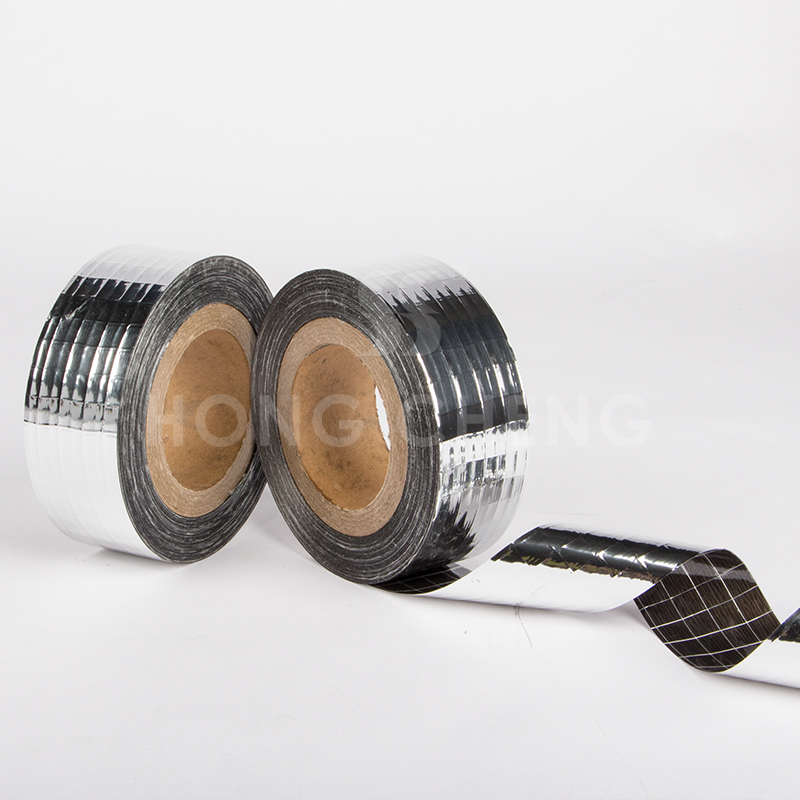
Foil-scrim-kraft (FSK) is the baseline facing material for flexible duct and duct board products. The aluminum foil layer (typically 7–9 microns) provides the vapor barrier function; the reinforcing scrim (typically fiberglass or polyester at 4×4 to 9×9 scrim count) provides tear resistance; the kraft paper backing provides printability and bonding surface. FSK composites with appropriate adhesive formulations achieve NFPA 90A compliance and are the most widely installed facing material in commercial HVAC systems.
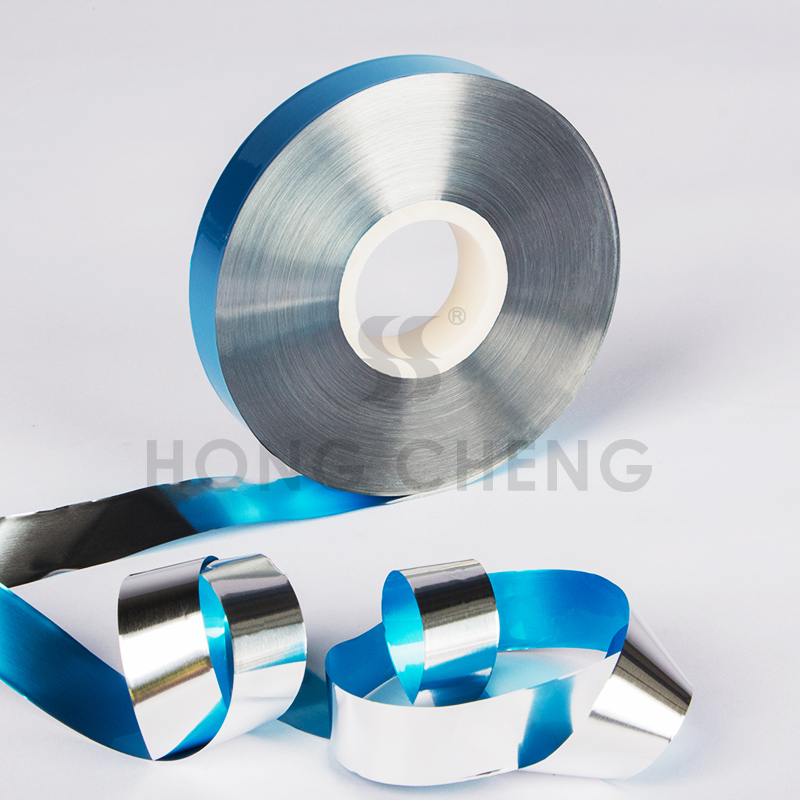
Foil-polyester (foil-PET) facings without a paper layer offer improved moisture resistance compared to FSK and are preferred for duct insulation applications in high-humidity environments — kitchen exhaust systems, humid climate duct installations, and refrigerated warehouse applications where condensation risk is elevated. The absence of a combustible paper layer reduces smoke generation potential.
Reinforced aluminum foil (RAF) composites, combining two or more layers of aluminum foil with a reinforcing scrim between them, are used for higher-pressure duct wrap applications and as vapor barrier membranes where puncture resistance is required. These constructions provide excellent ASTM E84 performance due to their minimal organic content.
For duct applications in high-temperature zones — exhaust ducts, equipment room connections, and ducts near heat-generating equipment — fire-rated foil composites incorporating intumescent coatings or mineral fiber components are available. These materials expand on heating to seal duct penetrations and limit flame and smoke propagation, satisfying requirements for fire-rated duct assemblies per UL 181 or equivalent standards.
UL 181 and Duct System Listing Requirements
Beyond material-level fire ratings, HVAC duct systems and duct components — including flexible duct assemblies, duct connectors, and duct insulation wrap systems — are subject to UL 181 (Standard for Factory-Made Air Ducts and Air Connectors) and its related standards (UL 181A for pressure-sensitive tapes and UL 181B for heat-activated tapes used to seal ductwork).
UL 181 listing requirements address not only fire performance but also pressure containment, air leakage, and durability under operating conditions. For aluminum foil-faced duct products, the relevant requirements include: closure tape compatibility (the foil facing must accept the rated closure tape without delamination or seal failure); longitudinal pull-out strength; and long-term performance under cyclic pressure loading.
HVAC specifiers should require that all foil-faced flexible duct and duct insulation products carry current UL 181 or UL 181A/181B listings that are maintained by the manufacturer through periodic testing and factory audits. Listings lapse when manufacturers change material suppliers, modify adhesive formulations, or alter foil gauge without re-testing. Always request current listing certificates — not just listing marks printed on packaging — for projects where compliance documentation will be required for inspection.
Installation Acceptance Criteria: Where Projects Fail Inspection
Even correctly specified and properly listed aluminum foil duct materials can fail installation acceptance if installation workmanship does not meet the requirements of SMACNA (Sheet Metal and Air Conditioning Contractors' National Association) standards, NFPA 90A, and project specifications. The most common foil composite-related installation deficiencies identified during mechanical inspections include:
Inadequate duct joint sealing: NFPA 90A requires that all longitudinal and transverse duct joints be sealed with an approved tape or mastic. For foil-faced duct board and flexible duct, this means using a UL 181A or UL 181B listed tape appropriate to the substrate (pressure-sensitive tapes for foil surfaces, heat-activated tapes where specified). Duct tape meeting only ASTM D1000 without a UL 181 listing is not acceptable for HVAC duct sealing applications in most jurisdictions.
Foil facing damage: Cuts, tears, and punctures in the foil facing layer compromise both the vapor barrier function and the ASTM E84 listing. Damaged facing sections must be repaired with listed foil tape before acceptance; visual inspection of all accessible duct runs should be included in pre-occupancy commissioning.
Improper flexible duct installation: Flexible ducts with excessive sag (more than 0.5 inches per foot of duct length per SMACNA guidance), kinking, or sharp bends exceeding the manufacturer's minimum bend radius reduce airflow and can cause the inner duct liner to separate from the outer jacket — creating gaps in the foil vapor barrier and increasing air leakage. Flexible duct runs should be supported at intervals not exceeding 4 feet (per SMACNA) and should be fully extended without compression to achieve rated airflow.
Vapor barrier continuity: In insulated duct systems for cooling applications, the foil facing functions as the vapor retarder to prevent condensation within the insulation layer. Gaps in the foil facing — at fittings, supports, and access doors — allow moisture ingress that can degrade insulation performance and promote mold growth. All penetrations and terminations in foil-faced insulation should be sealed and taped before system startup.
Procurement and Quality Verification
For HVAC contractors and building owners procuring foil-faced duct materials, the following verification steps should be standard practice for any project requiring code compliance documentation:
Request current ASTM E84 test reports from an accredited laboratory (UL, Intertek, FM Global, or equivalent), showing FSI ≤ 25 and SDI ≤ 50 per NFPA 90A for the specific product and installation configuration. Request UL 181 listing certificate with current expiration date and model number matching the supplied product. Verify that product markings on delivered materials match the listed product exactly — foil gauge, scrim count, and adhesive type should match the test report. For large projects, consider incoming quality verification of foil facing integrity (visual inspection for pinholes and delamination) and peel strength testing of closure tape adhesion to the foil surface.
Looking Ahead: Market Trends in 2026
Several trends are shaping the HVAC foil composite materials market in 2026. The expansion of high-efficiency HVAC systems — particularly variable refrigerant flow (VRF) systems and dedicated outdoor air systems (DOAS) — is increasing demand for duct insulation products with superior vapor barrier performance in mixed-climate applications. Energy code tightening in major markets is pushing duct leakage requirements lower, increasing the importance of listing-compliant tape and mastic sealing systems. And the growing adoption of building information modeling (BIM) and digital commissioning tools is beginning to create demand for material traceability documentation that links installed products to their compliance certifications — a trend that will reward manufacturers who maintain rigorous listing maintenance programs.
Hongcheng Technology manufactures aluminum foil composite facing materials for HVAC duct insulation applications, including foil-scrim-kraft (FSK), foil-polyester (foil-PET), and reinforced aluminum foil (RAF) constructions. All products available with ASTM E84 test documentation. Custom width, foil gauge, scrim count, and adhesive formulations available for OEM duct product manufacturers. Technical data sheets and compliance documentation available on request.
Reference standards: NFPA 90A, ASTM E84, UL 181, UL 181A, UL 181B, SMACNA HVAC Duct Construction Standards, IMC (International Mechanical Code).
Aluminium Foil Composites Lead the New Era of Building Insulation: A Material Revolution Driven by Energy Efficiency
Aluminum Foil Composite Shielding Materials for EMC Engineering: A Technical Selection Guide for Cable Manufacturers and EMC Integrators