How to Choose Duct Facing: Start with Your Forming Process and Duct Diameter
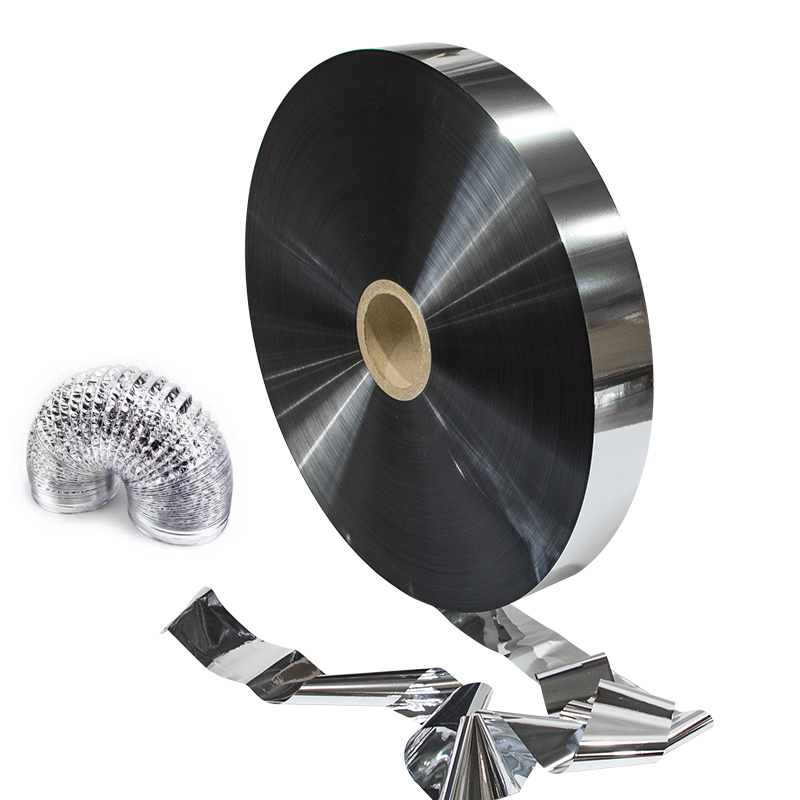
Duct converters often run into the same frustration: the same roll of aluminum foil laminate that performs well at a neighboring plant keeps causing web breaks, wrinkles and weak seals on their own line. The problem is rarely the film itself. More often, nobody treated "how is the duct formed, and what diameter is it" as the first variable when the material was specified. As a supplier of duct facing raw materials to flexible duct manufacturers, we would like to break down the selection logic by forming process and duct size.
Two Forming Routes, Two Sets of Requirements
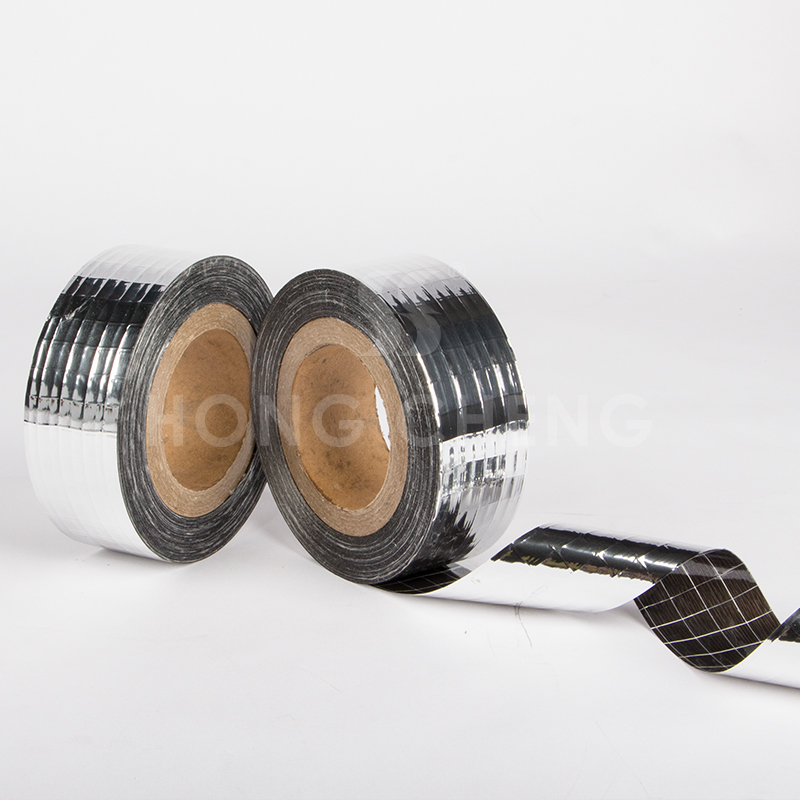
Flexible duct facings are formed on two mainstream routes. The first is spiral wrapping: the facing tape is wound in a spiral around a steel wire or reinforced core, with plies joined by adhesive overlap or heat sealing. This route produces lightweight ducts commonly used for HVAC supply and return air and fresh-air ventilation. The second is over-wrapping: the facing is wrapped around an already-formed inner duct and secured at the seam by pressure bonding or adhesive, which is common for kitchen grease-exhaust ducts and industrial exhaust ducts where surface flatness and temperature resistance matter more. The two routes stress different properties: spiral wrapping cares about slitting accuracy, stiffness and heat-seal behavior, while over-wrapping cares about surface flatness, temperature resistance and compatibility with adhesives. Confirm which line you run before discussing specifications.
Why the Same Film Behaves Differently on Different Lines
Before diving into specifications, it is worth understanding why identical-looking laminates behave so differently from plant to plant. Flexible duct production is a converting process: the facing film is stretched, bent, heated and pressed within a few seconds on the machine. Every parameter of the film — foil gauge, adhesive coat weight, substrate stiffness, surface treatment, residual solvent level — interacts with machine settings such as winding tension, seam temperature and line speed. A film optimized for a high-speed spiral line with hot-air sealing may wrinkle on a slower line that relies on cold adhesive overlap, and vice versa. This is why experienced converters do not shop for "a duct facing" in general; they shop for a facing matched to a specific line and a specific diameter range. The two variables below — forming process and duct diameter — capture most of that match.
Three Selection Points for Spiral-Wrapping Lines
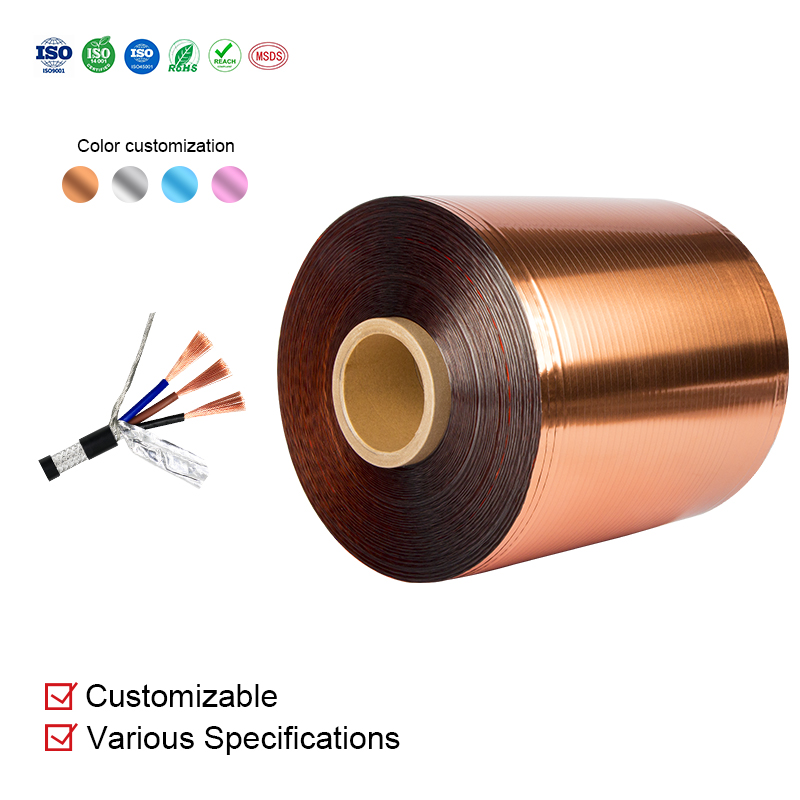
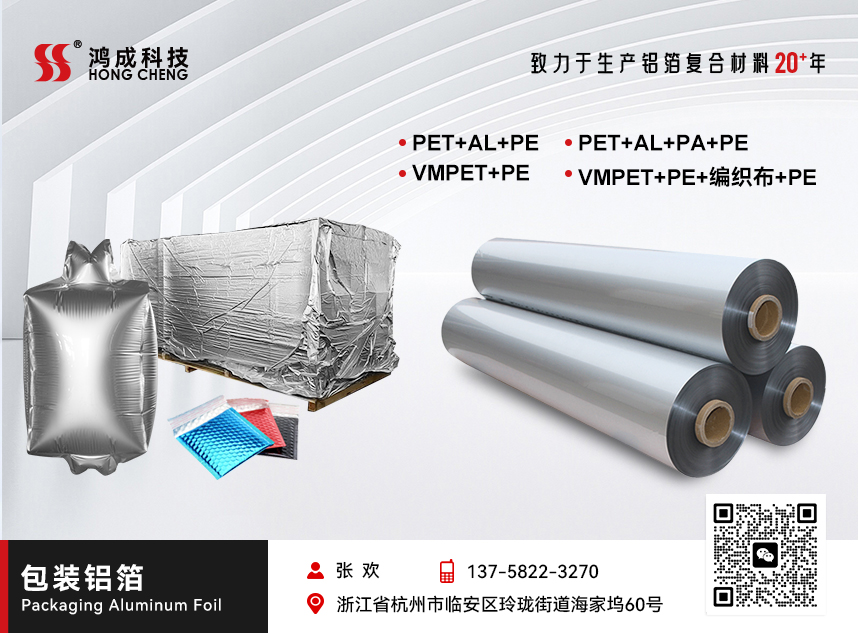
First, match the slit width to the duct diameter. Diameter dictates tape width: small ducts (80mm to 150mm) use narrow tape, while ducts above 250mm need wide tape. Narrow tape is the most sensitive to slit-edge burrs, which scratch the film surface or cause web breaks during winding, so agree on edge-quality criteria and width tolerance (generally within ±0.5mm) when ordering. Second, balance stiffness against winding tension. A film that is too soft will not wind tight; one that is too stiff springs back and lifts at the edges. AL/PE duct facing offers moderate stiffness suited to standard diameters, while VMPET metallized duct facing is slightly stiffer with a crisper surface, better for large diameters and appearance-critical applications. Third, verify heat-seal performance. On lines that close the overlap by heat sealing, confirm that the PE sealing layer's temperature window matches your equipment, and run a trial seal before switching equipment or resin grades — never go straight to full production.
Three Selection Points for Over-Wrapping Lines
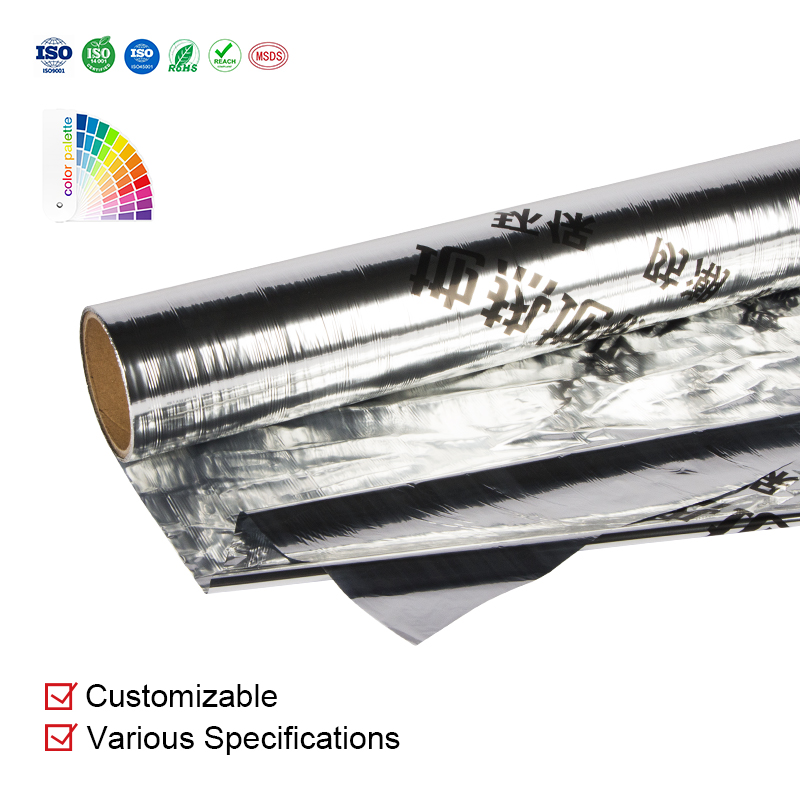
First, surface flatness. The outer facing on an over-wrapped duct is the finished appearance surface; wrinkles or uneven gloss downgrade the product directly. Inspect incoming rolls by unrolling a section under a light — quicker and more honest than any report. Second, match temperature resistance. Kitchen grease exhaust and industrial exhaust run hot, and the facing is under continuous thermal load. Pure foil structures outperform metallized ones here; foil is supplied in conventional thicknesses of 6μm to 9μm, so choose the heavy grade (9μm) for high-temperature duty and make sure the adhesive's temperature rating keeps pace. Third, check adhesive compatibility. Some surface treatments react with certain adhesives, causing blistering or delamination after lamination. Run a small lamination sample before changing adhesive batches, and observe it before committing to production.
How Duct Diameter Affects the Specification
Diameter affects more than tape width — it shapes foil and structure choices. Small ducts need more winding turns and consume more tape per meter of duct, so thickness uniformity directly determines product weight consistency; include it in incoming inspection. Large ducts put wide single spans under higher tension, demanding higher tensile strength and stiffness, which favors VMPET laminates or heavy-grade foil structures. If one winding machine runs multiple diameters, build a material specification table by diameter class rather than forcing one spec sheet to serve everything.
Three Practical Procurement Steps
First, state the forming method, duct diameter range and equipment model on every inquiry — with that information the supplier can lock down width, stiffness and the sealing window in one pass, cutting trial rounds. Second, write the production-sensitive parameters — width tolerance, edge quality, seal strength — into the contract and inspect against them on receipt. Third, keep sealed reference samples and compare first, middle and end pieces of every batch, especially whenever you change lines or diameters; run a full trial roll before scaling up. None of these steps costs more than a few hours, yet together they prevent the most expensive failure mode in converting: a full run rejected at inspection because the film was never matched to the line in the first place.
A one-line summary for spec sheets: define the line first, the diameter second, and only then the film. Getting that order right eliminates most trial rounds, most batch surprises, and most of the "why does it run differently here" conversations before they start. Hangzhou Hongcheng Technology manufactures AL/PE duct facing, VMPET metallized duct facing and single- or double-sided foil laminates for flexible ducts, with custom widths, structures and thicknesses matched to your forming process and duct diameter. As a raw material supplier we do not make finished ducts, but we are glad to work through the material-to-line matching with converters before the first roll is ordered. +86 13758223270, Email: wendy@hcdxcl.com.cn — Techfoil
How to Judge the Quality of Aluminum Mylar Tape for Motor Lead Wires
Related Article