How to Judge the Quality of Aluminum Mylar Tape for Motor Lead Wires
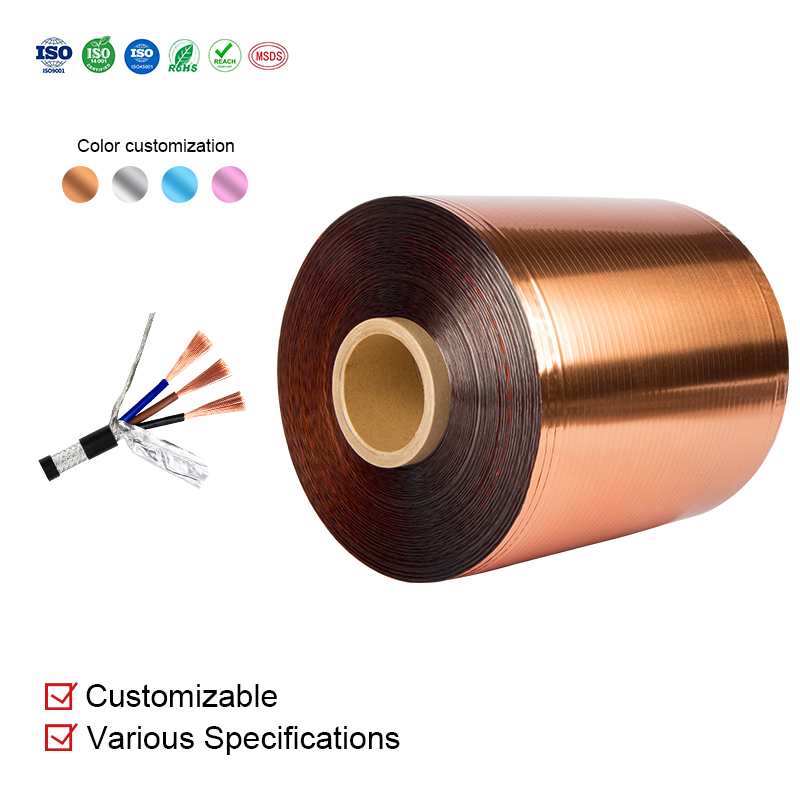
The lead wires that run from a motor body to its junction box or controller operate inside a strong electromagnetic environment created by the stator windings. If the shielding layer is poorly made, the results range from signal drift and unstable instrument readings to outright EMC test failure. For motor and cable manufacturers, the aluminum mylar tape (AL/PET shielding tape) used to form this shield is a major cost item — and tapes sold under the same name can differ in price by 20–30%, with even bigger differences in actual performance. Here are five practical points buyers can use to judge quality.
1. Structure: Real Foil or Metallized Film, and the Right Thickness
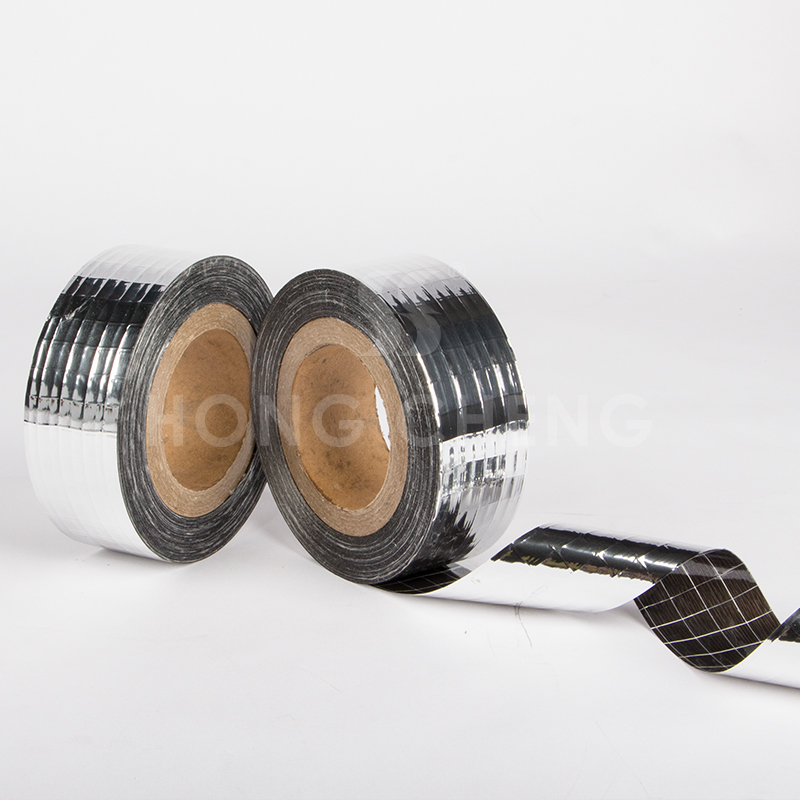
The base structure of aluminum mylar tape is aluminum foil laminated to a polyester (PET) film. The first thing to confirm is whether real aluminum foil is used rather than a metallized film (VMPET). Metallized film looks similar, but its aluminum layer is only a few hundred angstroms thick — shielding effectiveness and current-carrying capability are far below real foil, while the price can be less than half. A simple check: rub the surface lightly with a solvent; a metallized layer will smear and expose the base film.
Next is foil thickness. For motor lead wires, the conventional supply range is 6μm–9μm. The 6μm grade offers better flexibility for small-gauge wires wrapped at high speed, while the thick grade (9μm) gives higher mechanical strength and fewer pinholes for applications with repeated bending or long pay-off lengths. If a supplier offers "thicker, stronger" 12μm tape, it is likely not a conventional motor-wire product — ask about its intended application and stock origin before buying.
2. Electrical Performance: Conductor Continuity and Shielding Attenuation
For the shield to work, the aluminum layer must be longitudinally conductive. The test is straightforward: measure the surface resistance along the tape length with a multimeter. A conforming tape shows uniform readings within the specified range. Intermittent infinite readings indicate micro-cracks or poor lamination — a defective shield that will be wound straight into the cable.
Where possible, run a shielding attenuation test (transfer impedance or absorbing clamp method). Between good and poor tapes of the same structure, attenuation in the 30–100 MHz band can differ by several dB — exactly the harmonic-rich region of motor controller switching frequencies. A few hundred dollars for third-party testing on one sample is cheap insurance against a rejected batch.
3. Appearance: Pinholes, Wrinkles, and Slitting Burrs
Thinner foil is more prone to pinholes, and high pinhole density directly reduces shielding effectiveness. A quick check: lay the tape flat against a strong light source and count visible bright spots — reject batches with excessive pinholes. Wrinkles and bubbles indicate lamination problems and cause arching or tape breaks during wrapping. Slitting burrs affect pay-off smoothness: a burr-heavy roll breaks frequently on a high-speed wrapping machine, and the production downtime costs far more than the material savings.
4. Processability: Heat-Seal Performance and Wrapping Behavior
Many motor lead wires use heat-sealable aluminum mylar tape, where the seal layer bonds the overlap. To judge it: seal a sample at your actual production temperature, pressure and speed, then peel it apart after cooling. The overlap should bond firmly without foil delamination. Tapes with a narrow heat-seal window fail whenever line temperature drifts — the classic cause of "sample OK, production batch problems." Always qualify samples using parameters identical to mass production.
Ideally, run a full roll on your actual wrapping machine and observe break rate, tension tolerance, and rewind edge alignment. This tells you more than any datasheet.
5. Supplier: Batch Consistency and Technical Support
Shielding tape is a classic "identical on paper, different in service" product. Focus on three supplier capabilities: (1) batch consistency — compare retained samples from three consecutive batches for appearance and resistance data; (2) in-house testing — factories that provide per-batch reports on thickness, resistance and peel strength usually run tighter quality control; (3) technical response — when breaks or poor sealing occur, fast troubleshooting support matters more than a small price difference.
Common Pitfalls
- Comparing price only. Shielding tape is a tiny share of per-kilometer wire cost, yet a failed EMC test or a reworked batch costs far more than any price gap.
- One tape for all lead wires. Small flexible wires and large, repeatedly bent wires need different thickness and flexibility grades — purchase in tiers.
- Appearance-only inspection. A visually clean batch can still hide continuity or heat-seal defects. Test key parameters per batch.
Conclusion
Selecting shielding tape for motor lead wires is not complicated. Remember five words: real foil, continuous conductivity, few pinholes, firm sealing, stable batches. Hangzhou Hongcheng Technology has specialized in aluminum-plastic composite materials for years, supplying aluminum mylar tape and AL/PET shielding tape to motor and cable manufacturers with sample trials and per-batch test reports. If shield quality stability is a concern for your lead wires, contact us for samples.
+86 13758223270, Email: wendy@hcdxcl.com.cn
How to Choose a Container Moisture Barrier Liner: Match the Structure to the Cargo
Related Article