Insulation Season Is Here: How Foil Laminated Composite Materials Become the "Reflective Shield" of Building Insulation
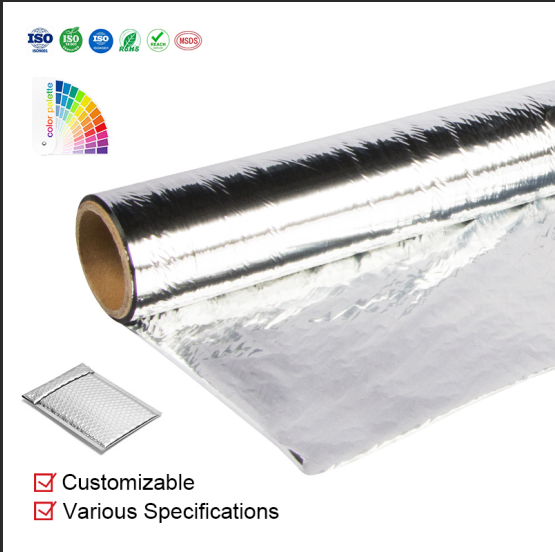
As a new wave of cold air sweeps across the country and temperatures plunge, the annual heating season has officially begun. For the construction industry, winter is not only the peak season for insulation demand, but also the real-world "exam" for a building's energy performance. Under China's building energy-efficiency design standards, roofs and walls account for the largest share of a building's envelope heat loss, ahead of windows and floors. Among the many supporting materials used in insulation systems, aluminum foil laminated composite materials have become an indispensable component thanks to their unique high-reflectance, low-emissivity properties.
1. Why does aluminum foil "insulate"? The physics of reflective insulation
Many people assume that because aluminum is a good thermal conductor, using it for insulation contradicts common sense. In fact, building insulation follows a "multi-barrier synergy" approach: porous materials such as glass wool, rock wool, and XPS boards block heat conduction, while foil laminated composites tackle the other escape route for heat — thermal radiation. According to heat-transfer principles, any object above absolute zero emits infrared heat rays. Ordinary insulation surfaces absorb infrared radiation readily and reflect little of it, so heat keeps escaping as radiation. Polished aluminum foil, however, reflects more than 95% of long-wave thermal radiation and has extremely low emissivity. Placed on the warm side of an insulation layer, it acts like a mirror installed along the heat-escape path, reflecting radiant heat back into the room. In winter, this reflective barrier locks in indoor warmth; in summer, it keeps solar heat radiation out of the walls. One material, benefits in two seasons.
2. Extrusion lamination: the key step that makes foil durable and practical
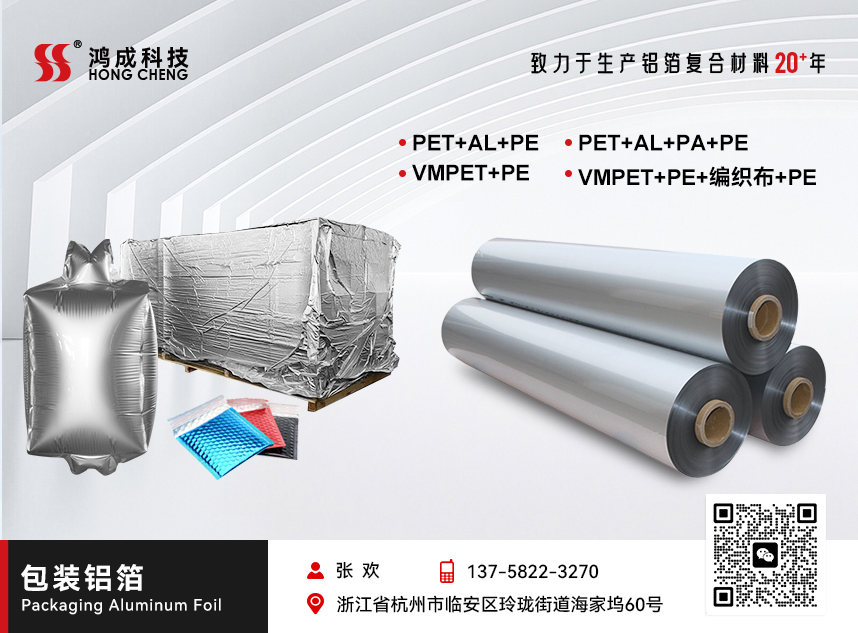
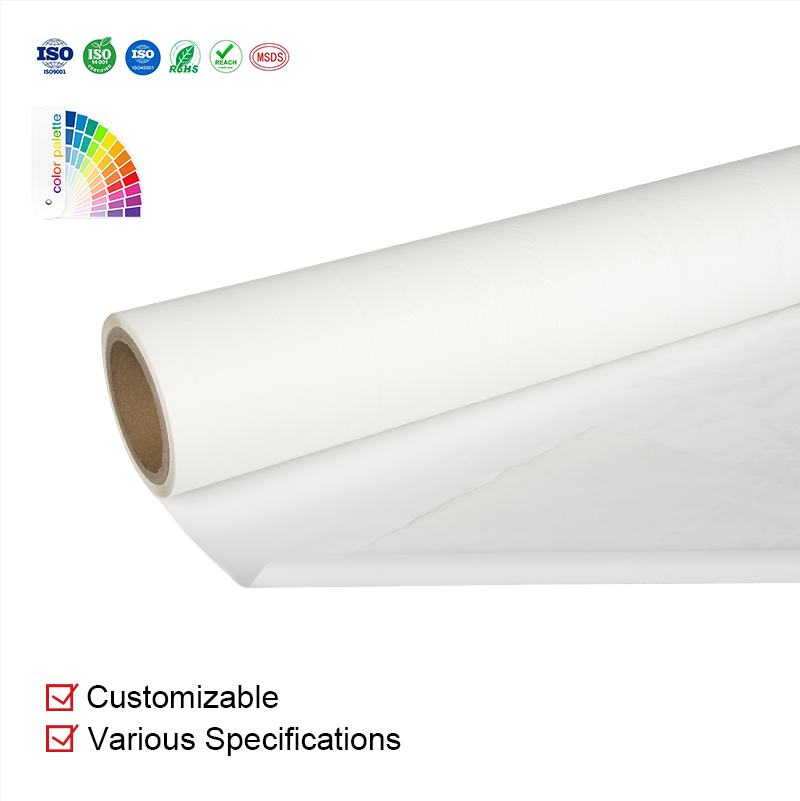
Bare foil offers excellent reflectivity but is soft, crease-prone, alkali-sensitive, and prone to corrosion in damp conditions — a short service life if used directly on site. Extrusion lamination is the core technology that solves this pain point: through high-temperature melt extrusion, resins such as polyethylene (PE) are cast uniformly onto substrates such as aluminum foil, foil woven fabric, nonwoven fabric, or kraft paper, forming a continuous, dense protective layer. This film delivers triple value. First, moisture and corrosion resistance: it blocks the alkaline attack of cement mortar and damage from condensation. Second, mechanical reinforcement: laminated with woven or nonwoven fabric, the material gains far higher tensile and tear strength for large-area installation. Third, controllable permeability: by adjusting resin type and coating weight, permeance can be tuned between "full barrier" and "moderate breathability," matching vapor-barrier or breathable wall designs. At Hangzhou Hongcheng Technology Co., Ltd., film-thickness uniformity and peel strength are strictly controlled to ensure every roll stays intact — no film delamination, no layering failure — during on-site construction.
3. Four typical applications in building insulation
Application 1: Facings for roof and wall insulation. Foil laminated material serves as the facing on glass wool rolls and rock wool boards, with the foil side facing the indoor airspace to form a "reflective insulation system." In steel-structure plants, cold storage, and logistics warehouses, this approach raises insulation ratings while doubling as a vapor barrier that keeps the wool dry and effective.
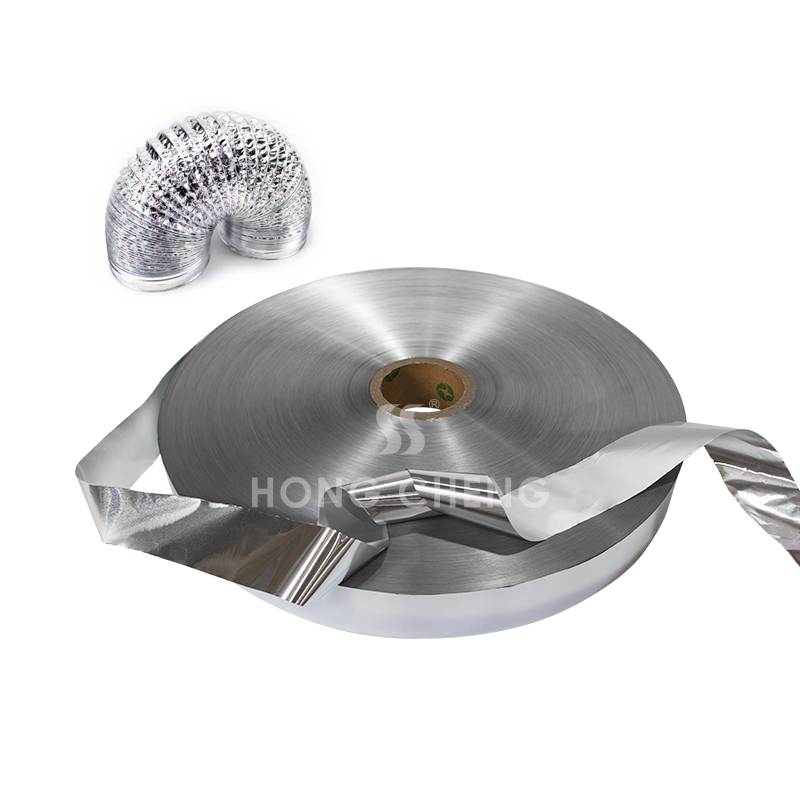
Application 2: HVAC duct lining and cladding. Central air-conditioning and fresh-air ducts are major heat-loss hotspots in winter. Foil laminated composites work as the moisture-proof cladding on duct insulation and as duct liners, reflecting heat while resisting internal moisture; the foil surface is easy to clean and resistant to grease, meeting ventilation hygiene requirements.
Application 3: Underfloor heating reflection layer and floor moisture barrier. In hydronic floor heating, a foil laminated layer laid above the insulation board reflects heat upward instead of letting it escape downward, significantly improving thermal efficiency. In southern regions without central heating, the same material serves as a floor moisture barrier — one material, two uses.
Application 4: Vapor barrier and auxiliary layer in external wall systems. Combined with Class-A fire-rated rock wool, foil laminated materials provide vapor barrier and reflective functions while preserving fire performance — a common configuration in ultra-low-energy and passive-house envelope systems.
4. Custom solutions for different climate zones
China's climate diversity means different regions have different insulation priorities: cold northern cities focus on winter heat retention and vapor control to prevent condensation, while southern regions prioritize summer reflective cooling and moisture protection. Hongcheng supports project-based customization of foil thickness and grammage, substrate combinations (aluminum foil / foil woven fabric / aluminized PET film / kraft paper / nonwoven), resin formulations, and slitting widths — closing the loop from scheme design to sample delivery, so every energy-efficiency project gets a tailored plan.
The insulation season is also the retrofit season. If you are looking for a reliable supplier of insulation composite materials for plant renovation, cold storage, or residential energy upgrades, feel free to contact us for material advice and free sample support.
Aluminum Price Volatility Reshapes Duct Facing Procurement: What Flexible Duct Manufacturers Should Know
Choosing Shielding Tape for Motor Lead Wires: Four Motor Types, Four Decisions