Extrusion Coating Explained: The "Temperature & Speed" Secrets Behind Every Laminated Composite
1. Why Extrusion Coating Is the Soul of Laminated Composites
For aluminum foil, aluminized film, kraft paper and nonwoven fabrics to become extrusion-laminated composites, the extrusion coating process (also called cast lamination) is the pivotal step. It determines peel strength, thermal endurance, moisture and oxygen barrier performance, and surface quality. The same roll of aluminum foil can yield finished products with lifespans differing several-fold depending on how well the coating process is executed.
In simple terms, extrusion coating works like this: thermoplastic resin pellets (PE, PP, EVA, etc.) are melted inside an extruder, forced through a T-die that extrudes them as a uniform molten film, which is "cast" directly onto a continuously moving substrate. Pressure rollers bond the two layers, and chill rolls solidify the melt — no adhesives, no solvents. The bond is achieved purely through heat and pressure.
2. Five Key Stages on an Extrusion Coating Line
Stage 1 — Melting and extrusion. Resin pellets enter the screw extruder through the hopper and are plasticized at barrel temperatures of roughly 200–320°C. If the temperature is too low, the melt flows poorly, leaving fisheyes and gels on the film; if too high, the resin may degrade, become brittle, or emit odor. Operators must set precise temperature profiles for each resin grade and substrate.
Stage 2 — Film forming at the T-die. The melt exits the die lips as a web. Die temperature, die gap and internal manifold design govern thickness uniformity. Advanced lines control coating weight within ±3%, which matters enormously for cable shielding tapes: any locally thin area becomes a weak point in shielding effectiveness.
Stage 3 — Air knife and nip bonding. Before the melt touches the substrate, an air knife presses the molten film toward the web to expel entrapped air; a rubber-covered pressure roll (typically with water-cooled steel backing) then bonds the layers under controlled line pressure. Nip gap, roll temperature and chill-roll temperature together decide peel strength.
Stage 4 — Cooling and solidification. The melt solidifies rapidly on a mirror-finish chill roll. Cooling rate affects resin crystallinity, and therefore clarity, heat-seal behavior and flexibility. A line's cooling capacity often defines its throughput ceiling.
Stage 5 — Inline inspection and winding. The finished web passes through thickness gauges, corona treatment, tension control and web-guiding systems before winding. Lines equipped with inline thickness measurement and CCD surface inspection can detect bubbles, scratches and pinholes in real time, making every delivered meter traceable.
3. Three "Invisible Hurdles" in the Process
Hurdle one: pinholes and oxidation on aluminum foil. Foil gauges of 6.5–20μm are thin and soft; under hot melt and roll impact they are prone to pinholes and wrinkles. Precise zone-by-zone tension control keeps the foil flat and unstretched during bonding.
Hurdle two: surface treatment of different substrates. Fibrous substrates such as kraft paper and nonwovens have high surface energy and wet well with resin, while metal surfaces like foil and aluminized film need corona treatment or priming to improve adhesion. Switching substrates requires a full reset of process parameters — a true test of a manufacturer's accumulated know-how.
Hurdle three: balancing coating weight and performance. Thicker coatings mean better barrier properties but higher cost and lower flexibility. Designing the "just right" gram weight per application — shielding and flexibility for cable tapes, heat and oil resistance for flexible ducts, reflectivity and flame retardancy for building insulation — is where the real technical value of extrusion coating lies.
4. Different Applications, Different Process Priorities
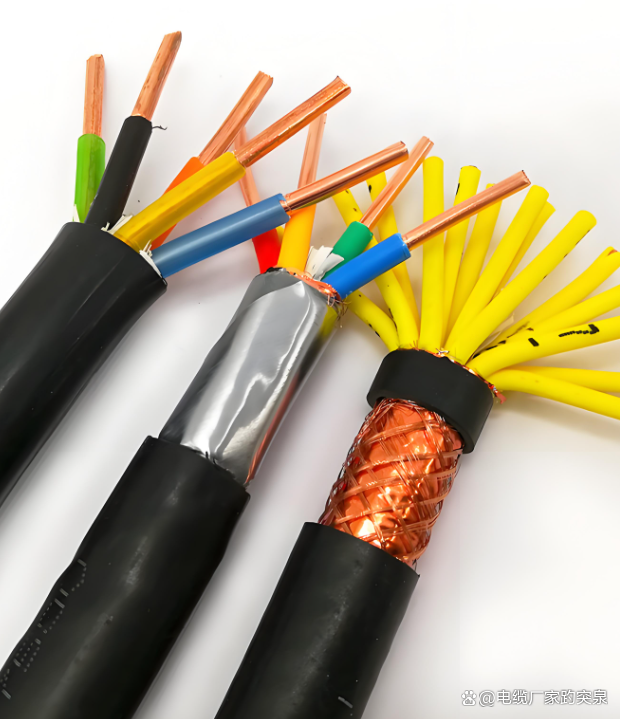
- Cable and electronic shielding materials: aluminum-plastic composite tapes demand high peel strength between foil and polymer layer and must not powder or crack during taping; bond strength and edge quality are the priorities.
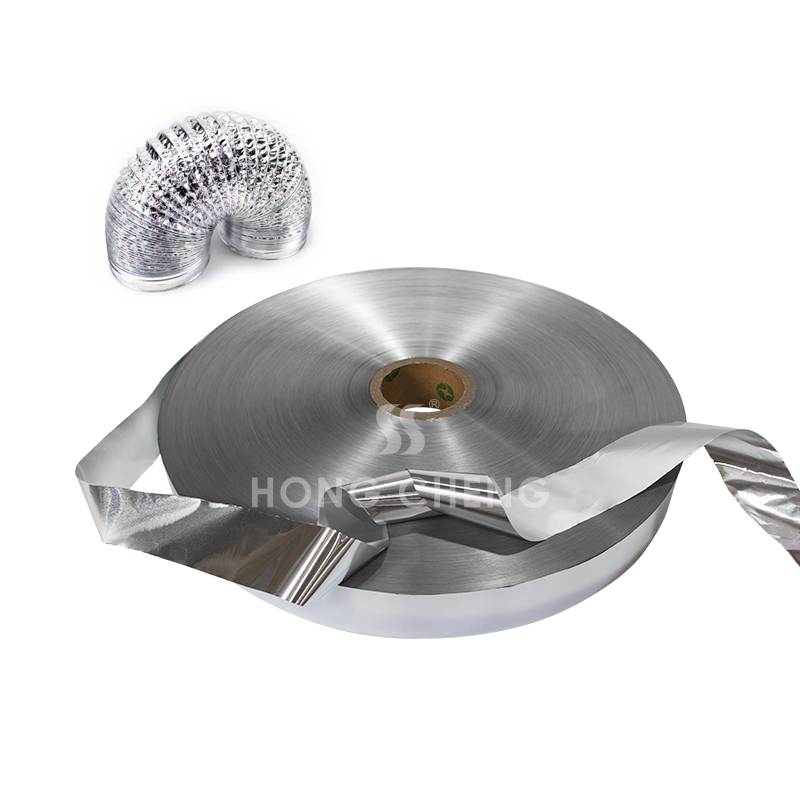
- Flexible duct overlay materials: must withstand hot fumes and oil mist, calling for higher-temperature resin formulations and heavier coatings.
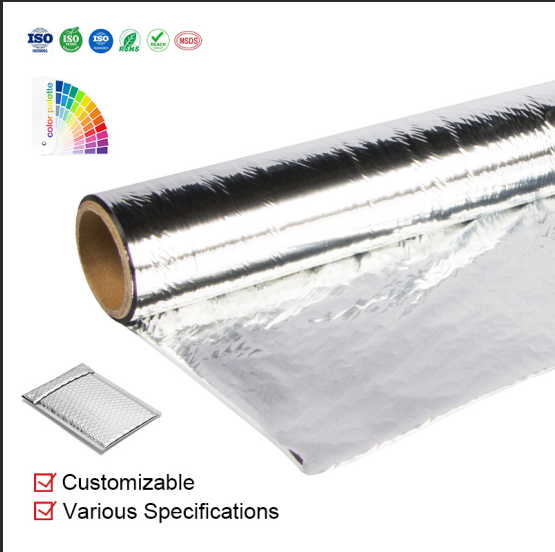
- Building insulation materials: the foil reflector must retain a mirror finish without scratches or pinholes; surface gloss and flame-retardant performance are the core indicators after coating.
- Packaging materials: heat-sealability, barrier performance and food-contact compliance come first.
5. Customization: Process Parameters Are the "Recipe"
Hangzhou Hongcheng Technology Co., Ltd. builds on extrusion coating as its core capability and offers customization across resin type and formulation, coating weight, substrate combination and layer sequence, slit width and roll diameter. Whether for standard products or bespoke solutions, we follow one principle — process parameters must follow the application — delivering laminated composites that balance performance and cost for customers in cabling, flexible ducting, building insulation and packaging.
Conclusion: Behind every seemingly ordinary roll of laminated composite lies the precise coordination of four variables — temperature, speed, pressure and tension. Choosing a supplier is, in essence, choosing a process system that has been repeatedly proven.
Laminate Film Inspection Checklist for Insulated Bag Manufacturers
Aluminum Price Volatility Reshapes Duct Facing Procurement: What Flexible Duct Manufacturers Should Know