Aluminium Foil Composite Materials in Industrial Packaging: Applications, Advantages and Market Trends
Introduction: A Materials Revolution in Industrial Packaging
As global manufacturing standards for product quality and logistics safety continue to rise, industrial packaging is undergoing a significant transformation—shifting from conventional wooden crates and cardboard toward high-performance composite materials. Aluminium foil composite materials, with their exceptional barrier properties, moisture and corrosion resistance, and flexible processability, are becoming the preferred choice for protecting high-value industrial goods such as electromechanical equipment, precision instruments, chemical products, and metal components, especially for export shipments.
In 2026, as global supply chain restructuring accelerates, international standards for industrial protective packaging are being continuously elevated. The promotion of standards such as ISO 11607, combined with strict requirements for moisture and salt-spray resistance in export markets, is driving the broader adoption of aluminium foil composite packaging materials.
1. Core Challenges in Industrial Packaging
Industrial goods face multiple environmental threats during storage and transit:
Moisture and Water Vapor Infiltration Metal components such as bearings, gears, and circuit boards are highly susceptible to oxidation and rust in humid environments. Standard polyethylene films typically have water vapor transmission rates (WVTR) of 0.5–2 g/m²·24h, which is insufficient for long-distance sea freight or extended warehouse storage.
UV Radiation and Oxidative Degradation Chemical products and precision optical devices are sensitive to UV exposure, which can cause material degradation or performance loss when exposed to sunlight during transit.
Mechanical Impact and Abrasion Heavy machinery, pipes, and steel coils are subject to significant handling stress. Packaging materials must provide adequate tear resistance to prevent damage during loading and unloading.
High Salt-Spray Environments in Ocean Freight Container humidity can exceed 80% during sea transit, and salt-spray corrosion poses a serious risk to metal industrial products. Packaging must deliver continuous protection for 30 days or more.
2. Key Performance Advantages of Aluminium Foil Composite Materials
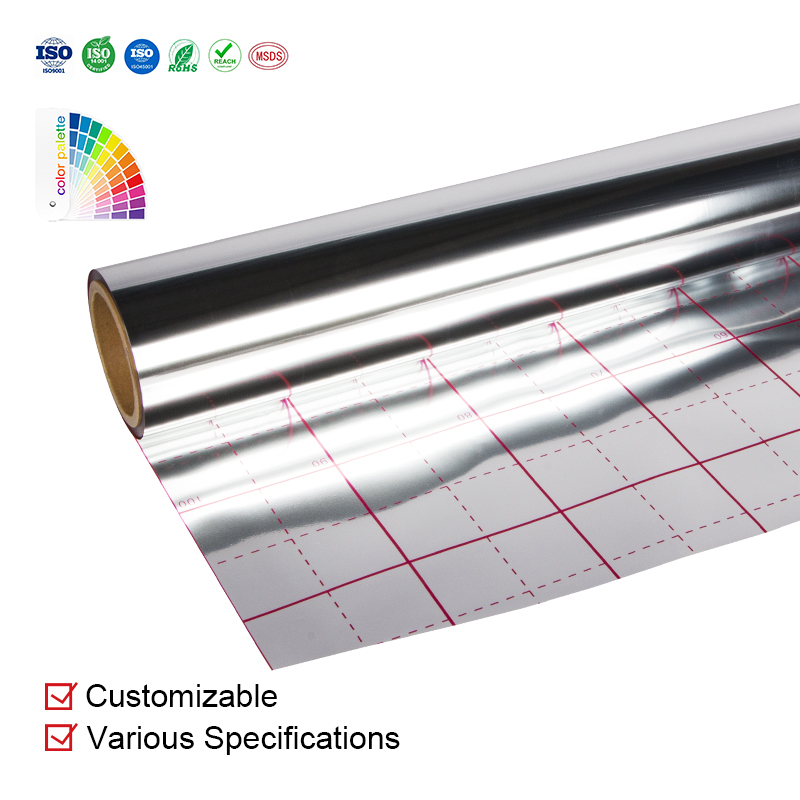
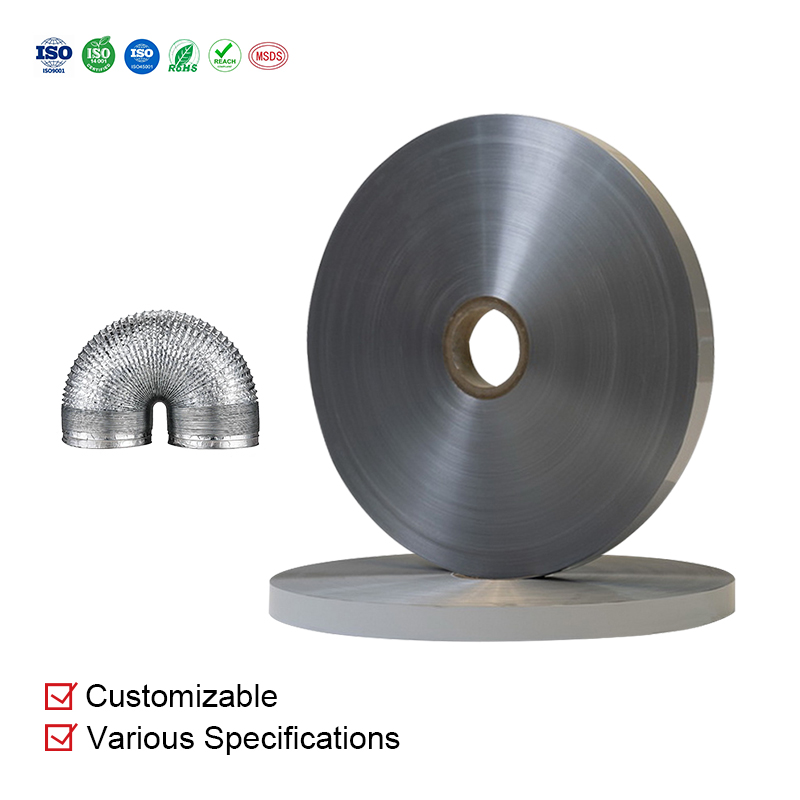
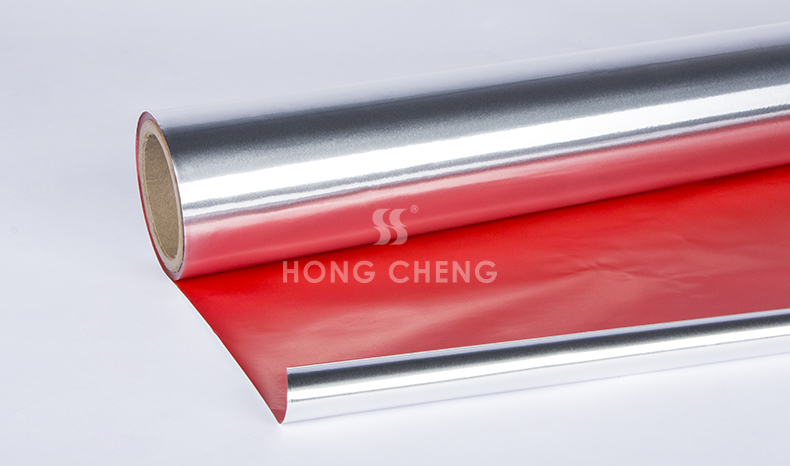
Aluminium foil composite materials are engineered multi-layer structures combining an aluminium foil barrier core with substrates such as PE film, PET film, woven fabric, kraft paper, or non-woven fabric. This architecture directly addresses the challenges outlined above.
① Ultra-Low Water Vapor Transmission Rate (WVTR) The aluminium layer provides metallic-grade barrier performance. Typical aluminium foil composite films achieve WVTR values as low as 0.01 g/m²·24h or below—significantly outperforming standard PE or PET films—enabling protection periods of six months or more for metal components.
② Superior Oxygen Barrier (OTR) The multi-layer structure effectively blocks oxygen ingress, preventing oxidation of enclosed products and their reaction with airborne moisture. This is especially critical for electronic components, optical products, and chemical materials requiring long-term sealed storage.
③ UV Shielding (>99% UV Blocking) The aluminium foil layer reflects nearly all incident light, providing stable UV protection for photosensitive products throughout storage and transport.
④ Heat-Sealable and Weld-Compatible PE laminated composite structures support heat-sealing processes, enabling high-speed sealing on automated packaging lines with consistent seal strength—meeting the demands of high-volume industrial packaging operations.
⑤ Strength and Flexibility Combined Composites combining aluminium foil with reinforced woven or fibrous substrates deliver high tear resistance and puncture strength, meeting the structural demands of heavy industrial packaging applications.
3. Key Application Scenarios
Export Packaging for Electromechanical Equipment and Metal Parts Bearings, hydraulic components, and automotive parts are typically packaged using a combination of aluminium foil VCI (vapor corrosion inhibitor) bags with aluminium foil laminated outer wrapping, providing dual protection: inner-layer corrosion inhibition and outer-layer moisture barriers.
Coil, Tube, and Sheet Metal Packaging Steel, copper, and aluminium coils are wrapped at their ends and circumferences with aluminium foil woven fabric or aluminium foil PE composite film during transport to prevent moisture infiltration and mechanical damage in warehousing and logistics.
Chemical and Hazardous Goods Packaging Moisture-sensitive chemical materials are packaged in woven bags or square-bottom bags lined with aluminium foil composite layers, combining barrier performance with load-bearing strength of up to 25–50 kg per bag.
Electronics and Precision Instrument Export High-precision sensors, PCBs, and laser devices are packaged in aluminium foil anti-static composite bags with vacuum sealing, providing simultaneous electrostatic and moisture protection—an industry standard for exporting precision electronics.
4. Market Trends and Industry Outlook
The global push toward carbon neutrality is driving increasing demand for lightweight and recyclable packaging solutions. Aluminium foil composite materials offer a technical advantage in recyclability, with certain structures engineered to allow separation of the aluminium and polymer layers for material recovery. Meanwhile, the booming export of new energy vehicle lithium battery modules is opening up substantial new market volume for aluminium-plastic composite flexible packaging films.
Industry analysts forecast that the global industrial packaging market will exceed RMB 700 billion in 2026, with high-barrier composite materials expected to grow at over 12% annually. Aluminium foil composite packaging is projected to outperform overall market growth, driven by increasing export volumes and tightening quality standards.
Conclusion
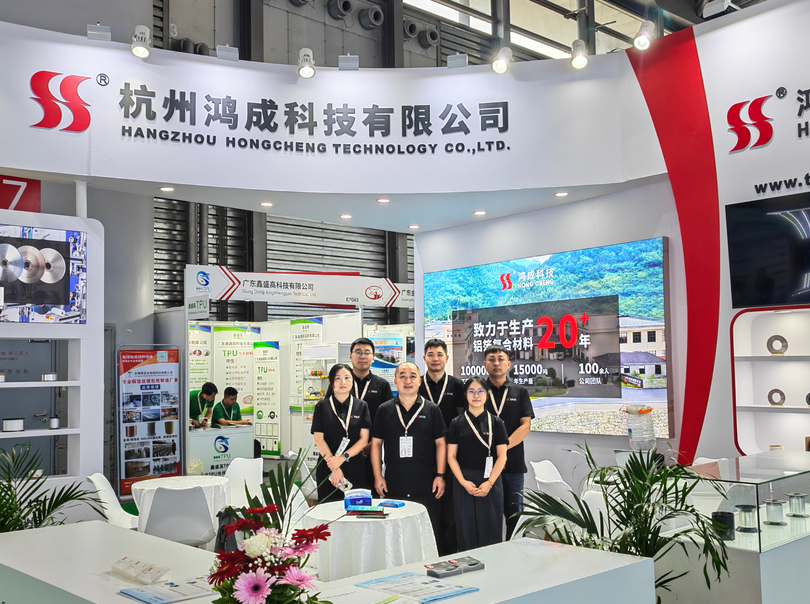
Hangzhou Hongcheng Technology Co., Ltd. has years of deep expertise in aluminium foil composite materials, with full production capabilities spanning aluminium foil lamination, PE coating, and customized multi-layer structures. We supply reliable, high-quality raw materials to industrial packaging customers worldwide. To learn more about our industrial packaging-grade aluminium foil composite materials, specifications, and pricing, please visit www.techfoil.com or contact our technical team directly.
Aluminum Foil Shielding Tape: The "Signal Guardian" of Cable & Electronics Industry
Aluminium Foil Composites Lead the New Era of Building Insulation: A Material Revolution Driven by Energy Efficiency
Related Article